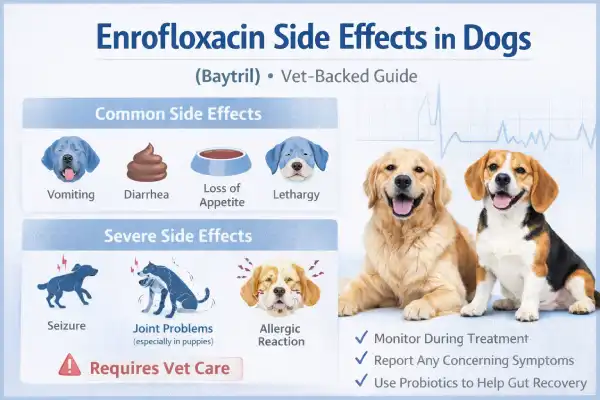
Enrofloxacin Side Effects in Dogs – Enrofloxacin (Baytril) can cause side effects in dogs, most commonly diarrhea, vomiting, and loss of appetite.
👉 Most side effects are mild and temporary
👉 But serious reactions like seizures or joint problems can occur in rare cases
⚠️ Always monitor your dog during treatment and contact your vet if symptoms worsen.
What Are the Most Common Side Effects of Enrofloxacin in Dogs?
The majority of dogs tolerate Enrofloxacin well, but mild side effects are relatively common.Enrofloxacin Side Effects in Dogs
Common Side Effects
- Diarrhea
- Vomiting
- Loss of appetite
- Mild lethargy
👉 These are similar to what you may see with:
👉 And are often related to gut bacteria disruption
Enrofloxacin Side Effects in Dogs
Table 1: Common Side Effects Overview
| Side Effect | Frequency | Severity |
|---|---|---|
| Diarrhea | Common | Mild |
| Vomiting | Common | Mild |
| Appetite loss | Common | Mild |
| Lethargy | Occasional | Mild–Moderate |
Does Enrofloxacin Cause Diarrhea in Dogs?
👉 Yes — one of the most common side effects.
Why?
- Disrupts gut microbiome
- Reduces beneficial bacteria
- Alters digestion
👉 Related reading:
- Antibiotic Diarrhea in Dogs: Causes, Treatment & Prevention
- Probiotics for Dogs: Do They Help with Antibiotic Side Effects?
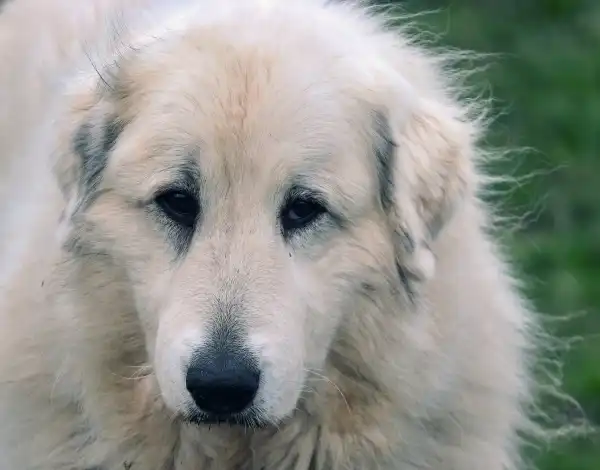
Moderate Side Effects You Should Monitor
Some dogs may develop more noticeable reactions.
Moderate Symptoms
- Frequent diarrhea
- Repeated vomiting
- Weakness
- Dehydration signs
👉 Action:
- Contact your vet
- Adjust treatment if needed
Serious Side Effects (RARE but IMPORTANT)
Although uncommon, Enrofloxacin can cause serious reactions.
Neurological Effects
- Tremors
- Seizures
- Disorientation
👉 Risk increases if:
- Dog has seizure history
- Combined with NSAIDs
👉 Learn more:
Joint and Cartilage Damage (CRITICAL)
👉 Especially in:
- Puppies
- Large breed dogs
Why?
- Fluoroquinolones affect cartilage development
👉 This is why enrofloxacin is often avoided in growing dogs
Allergic Reactions
- Swelling
- Itching
- Breathing difficulty
👉 Emergency situation
Table 2: Mild vs Severe Side Effects
| Severity | Symptoms | What to Do |
|---|---|---|
| Mild | Soft stool, low appetite | Monitor |
| Moderate | Vomiting, lethargy | Call vet |
| Severe | Seizures, collapse | Emergency |
When Do Side Effects Start?
Side effects may appear:
- Within 24–72 hours
- After first few doses
- During treatment
How Long Do Side Effects Last?
- Mild → 1–3 days
- Moderate → several days
- Severe → until treated
👉 If symptoms persist → veterinary check required
What Increases the Risk of Side Effects?
- High dosage
- Long treatment duration
- Young age (puppies)
- Pre-existing conditions
- Combination with other drugs
Drug Interactions That Increase Risk
Baytril may interact with:
- NSAIDs → ↑ seizure risk
- Theophylline → ↑ toxicity
- Calcium/Iron → ↓ absorption
How to Reduce Side Effects
✔️ Give with food
✔️ Maintain hydration
✔️ Use correct dosage
✔️ Avoid combining drugs without vet advice
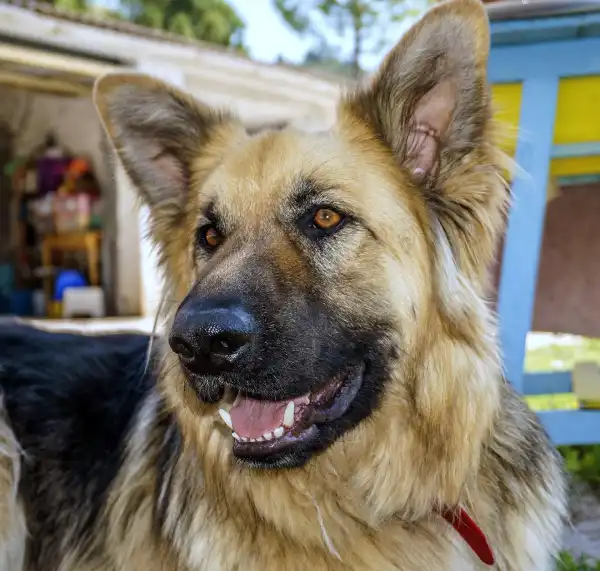
Pro Tip: Use Probiotics
👉 One of the best strategies:
- Restore gut bacteria
- Reduce diarrhea
- Improve recovery
👉 Read:
When to Worry
👉 Contact your vet if:
- Diarrhea > 48 hours
- Vomiting persists
- Appetite loss continues
- Dog becomes lethargic
👉 Emergency if:
- Seizures
- Collapse
- Severe weakness
Can Side Effects Be Mistaken for Pain?
👉 Yes
Dogs may appear:
- Restless
- Weak
- Uncomfortable
👉 Check:
Should You Stop Enrofloxacin?
👉 Depends:
- Mild → continue
- Moderate → consult vet
- Severe → stop immediately
⚠️ Stopping early may cause:
- Infection relapse
- Resistance
Enrofloxacin vs Other Antibiotics (Side Effects Comparison)
👉 Compared to:
- Amoxicillin → similar mild GI effects
- Cephalexin → similar tolerance
- Metronidazole → more neurological risk
- Clindamycin → more diarrhea
Table 3: Side Effect Risk Comparison
| Antibiotic | Diarrhea Risk | Neurological Risk |
|---|---|---|
| Enrofloxacin | Moderate | Higher |
| Amoxicillin | Moderate | Low |
| Cephalexin | Moderate | Low |
| Metronidazole | Moderate | Moderate |
| Clindamycin | Higher | Low |
Why This Matters
Understanding side effects helps:
- Prevent panic
- Improve treatment outcomes
- Reduce complications
👉 Responsible antibiotic use = better health
FAQ – Enrofloxacin Side Effects in Dogs
Can enrofloxacin cause diarrhea in dogs?
Yes, due to disruption of gut bacteria.
Are side effects dangerous?
Most are mild, but serious reactions can occur.
How long do side effects last?
Typically 1–3 days for mild cases.
Should I stop the medication?
Only if symptoms are severe.
Can probiotics help?
Yes, they support gut recovery.
Medical Disclaimer
This article is for informational purposes only and does not replace professional veterinary advice. Always consult a licensed veterinarian before giving any medication.Enrofloxacin Side Effects in Dogs
Sources & References for Enrofloxacin Side Effects in Dogs
- FDA Center for Veterinary Medicine
- Merck Veterinary Manual
- American Veterinary Medical Association
- Plumb’s Veterinary Drug Handbook
Images are created wih AI – Enrofloxacin Side Effects in Dogs