
Zonisamide Dosage for Dogs: Vet Guidelines, Weight Chart & Safety Tips (Vet-Backed Guide)
Zonisamide dosage for dogs typically ranges from 5–10 mg/kg every 12 hours. Learn dosing charts, safety tips, and vet guidelines.
Our comprehensive guides cover the most common categories of medications prescribed for dogs, from everyday essentials to specialized treatments. Whether your pup is dealing with allergies, pain, infections, parasites, or chronic conditions, we break down what each type of medication does, why it’s used, potential side effects (like gastrointestinal upset, lethargy, or more serious risks), common drug interactions, and tips for safe administration.
Zonisamide dosage for dogs typically ranges from 5–10 mg/kg every 12 hours. Learn dosing charts, safety tips, and vet guidelines.
Zonisamide side effects in dogs include sedation, appetite loss, and vomiting. Learn what’s normal, what’s dangerous, and when to call your vet.
Zonisamide Side Effects in Dogs: What to Watch For (Vet-Backed Guide) Read More »
Zonisamide for dogs is a modern seizure medication used when other treatments aren’t enough. Learn dosage, side effects, and safety in this vet-backed guide.
Zonisamide for Dogs: Uses, Dosage, Side Effects & Safety (Vet-Backed Guide) Read More »
Potassium bromide vs phenobarbital: which is better for dogs with seizures? Compare effectiveness, side effects, and safety in this vet-backed guide.
Potassium bromide side effects in dogs include sedation, ataxia, and increased thirst. Learn what’s normal, what’s dangerous, and when to call your vet.
Potassium Bromide Side Effects in Dogs: What to Watch For (Vet-Backed Guide) Read More »
Potassium bromide for dogs is a long-term seizure medication used when other treatments aren’t enough. Learn dosage, side effects, and safety in this vet-backed guide.
Potassium Bromide for Dogs: Uses, Dosage, Side Effects & Safety (Vet-Backed Guide) Read More »
Keppra dosage for dogs typically ranges from 20–60 mg/kg every 8 hours. Learn the correct dose, weight chart, and safety tips in this vet-backed guide.
Keppra Dosage for Dogs: Vet Guidelines, Weight Chart & Safety Tips (Vet-Backed Guide) Read More »
Keppra (levetiracetam) is a widely used seizure medication for dogs that is generally well tolerated, but it can still cause side effects such as sedation, loss of appetite, and mild lethargy. Most reactions are temporary, but recognizing early warning signs helps ensure safe and effective seizure management for your dog.
Keppra Side Effects in Dogs: What to Watch For (Vet-Backed Guide) Read More »
Levetiracetam (Keppra) is a widely used seizure medication for dogs that helps control epilepsy with fewer side effects than many traditional drugs. It works quickly, is generally well tolerated, and is often used alone or alongside other treatments. Understanding its dosage, uses, and safety can help ensure effective seizure management and improve your dog’s quality of life.
Levetiracetam (Keppra) for Dogs: Uses, Dosage, Side Effects & Safety (Vet-Backed Guide) Read More »
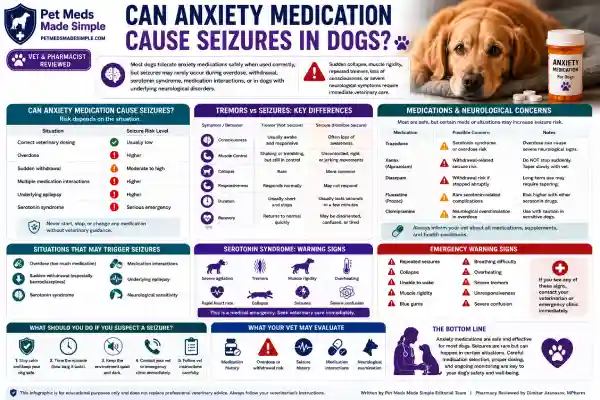
Dog seizure symptoms can include shaking, stiffness, drooling, loss of awareness, and sudden behavioral changes. While some seizures are brief and manageable, others can signal serious health issues. Recognizing early warning signs and knowing when to act can help protect your dog’s health and ensure timely veterinary care.
Dog Seizure Symptoms: Signs, Causes & When to Act (Vet-Backed Guide) Read More »