
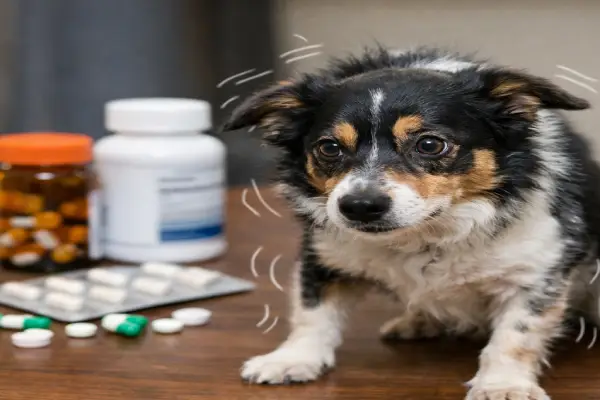
Gabapentin Withdrawal in Dogs – Gabapentin for Dogs / Dogs Medication Safety
Gabapentin Withdrawal in Dogs – Gabapentin is a widely prescribed medication for pain, nerve-related conditions, and anxiety in dogs. While generally safe under veterinary supervision, stopping gabapentin — especially after long-term use — can sometimes cause withdrawal symptoms or a return of the original condition.
Understanding what to expect and how to manage withdrawal safely can help pet owners prevent unnecessary stress and complications.
Why Dogs Might Stop Gabapentin
Dogs may discontinue gabapentin for several reasons:
- A veterinarian recommends tapering or discontinuing the drug
- Side effects such as mild sedation or lethargy
- Behavioral concerns or owner preference
- Transitioning to alternative medications
Stopping gabapentin abruptly is not recommended without veterinary guidance. Even though gabapentin is considered low-risk, the nervous system can become accustomed to its effects, and sudden withdrawal may trigger temporary symptoms.
Learn everything about gabapentin – Complete Guide to Gabapentin for Dogs: Uses, Dosage, Side Effects & Safety
Gabapentin Withdrawal in Dogs
Signs of Gabapentin Withdrawal in Dogs
Withdrawal symptoms are generally mild but can vary depending on dose, duration, and your dog’s health.
Mild Symptoms
- Anxiety or restlessness
- Mild tremors
- Slight increase in pain or discomfort
- Wobbly gait
Moderate Symptoms
- More noticeable shaking
- Difficulty sleeping or pacing
- Mild disorientation
Severe Symptoms (Rare)
- Seizures
- Extreme disorientation
- Severe agitation
Learn more about side effects: Dog Acting Drunk After Gabapentin
Tremors and shaking info: Why Is My Dog Shaking After Gabapentin
How Long Do Withdrawal Symptoms Last?
The duration of gabapentin withdrawal varies:
- Most mild symptoms resolve within 1–3 days with a proper taper
- Dogs with long-term use or kidney impairment may take up to a week
- Severe withdrawal is rare, especially when tapering is done under veterinary supervision
Safe Tapering Practices
Veterinarians usually recommend gradual dose reduction rather than abrupt discontinuation:
- Reduce the dose incrementally over 7–14 days, depending on dog size and treatment duration
- Monitor your dog closely for anxiety, lethargy, or tremors
- Maintain regular feeding and hydration
- Avoid introducing other sedatives unless instructed by your vet
Gabapentin overdose information: Gabapentin Overdose in Dogs
When to Call Your Veterinarian
Contact your veterinarian immediately if your dog:
- Shows extreme lethargy or unresponsiveness
- Experiences seizures or prolonged tremors
- Has difficulty walking, eating, or breathing
- Appears highly agitated or anxious despite a slow taper
Early veterinary intervention ensures safety and helps distinguish normal withdrawal symptoms from complications.
Preventing Withdrawal Issues
- Always plan your taper with a vet
- Track doses in a medication log
- Never stop gabapentin abruptly
- Keep a consistent schedule if transitioning to another medication
- Educate household members about safe handling
Conclusion
Gabapentin withdrawal in dogs is usually mild and manageable when done gradually under veterinary guidance. Awareness of symptoms, proper monitoring, and timely veterinary support ensure your dog’s safety and comfort.
Gabapentin remains an effective medication, and discontinuation — when needed — can be safe with a structured approach.
Frequently Asked Questions (FAQ) – Gabapentin Withdrawal in Dogs
Can a dog experience withdrawal from gabapentin?
Yes, mild withdrawal symptoms such as restlessness, tremors, or anxiety can occur, especially after long-term use. Gradual tapering is recommended.
How long does gabapentin withdrawal last in dogs?
Most mild symptoms resolve within 1–3 days, though dogs on long-term therapy or with kidney issues may take up to a week.
Is sudden discontinuation dangerous?
Abruptly stopping gabapentin is not recommended. It can lead to temporary neurological symptoms or a return of pain/anxiety.
What are signs of severe withdrawal?
Severe withdrawal is rare but may include seizures, extreme disorientation, or severe agitation. Immediate veterinary attention is required.
How should I taper gabapentin in dogs?
Reduce the dose gradually over 1–2 weeks under veterinary supervision. Monitor closely for anxiety, lethargy, or tremors.
Can gabapentin withdrawal be prevented?
Yes, careful planning, proper dose tapering, and vet supervision prevent most withdrawal issues.
Medical Disclaimer
The information in this article is for educational purposes only and does not replace professional veterinary advice. Always consult a licensed veterinarian before adjusting, tapering, or discontinuing any medication.
PetMedsMadeSimple does not provide individualized medical prescriptions. If you suspect your dog is experiencing withdrawal or adverse symptoms, contact your veterinarian immediately.
References / Sources used for article – Gabapentin Withdrawal in Dogs
- American Veterinary Medical Association – Guidelines on canine medication management
- ASPCA Animal Poison Control Center – Veterinary toxicology and safety
- Pet Poison Helpline – Canine medication safety and emergency guidance
All image are created with Ai for article – Gabapentin Withdrawal in Dogs

Pingback: Dog Pain Medications Explained #1 Guide PetMedsMadeSimple