Many dog owners become concerned when an anxiety medication that once seemed effective suddenly appears to stop working. A dog that previously remained calm during thunderstorms, veterinary visits, or travel may start showing signs of anxiety again despite receiving the same medication.
Quick Answer
Why does anxiety medication stop working in dogs? Anxiety medication may appear to stop working because your dog’s anxiety has become more severe, the medication dose may no longer be ideal, a new medical condition has developed, medication timing is not optimal, or the dog may need a more comprehensive treatment plan. In some cases, tolerance may play a role, but it is not always the primary reason.
When Owners Commonly Ask This
Owners often search for this question when:
- Trazodone worked before but no longer seems effective
- Gabapentin no longer calms their dog
- Thunderstorm anxiety is getting worse
- Separation anxiety is returning
- Medication seems weaker than before
- Anxiety symptoms are becoming more frequent
- Their veterinarian previously prescribed a successful treatment plan
If this sounds familiar, don’t panic. There are several reasons anxiety medication may seem less effective, and many can be addressed with veterinary guidance.
Does Anxiety Medication Really Stop Working?
Sometimes yes, but often the situation is more complicated.
Many owners assume:
“The medication stopped working.”
In reality, one of several things may be happening:
- Anxiety triggers have become stronger
- The dog’s condition has changed
- The medication schedule is no longer ideal
- The dog has developed additional health issues
- Anxiety has progressed over time
Before assuming the medication has failed, it’s important to evaluate the bigger picture.
Why Does Anxiety Medication Stop Working in Dogs?
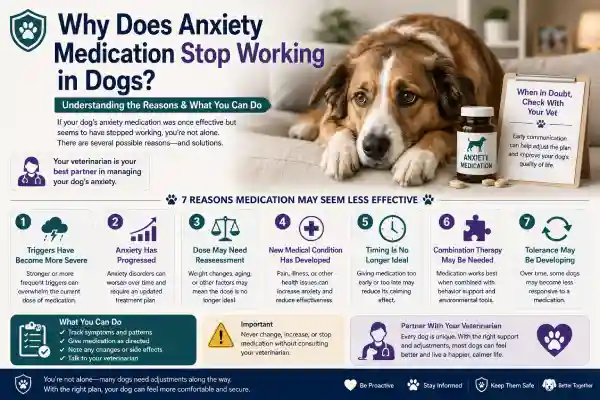
7 Reasons Anxiety Medication May Seem Less Effective
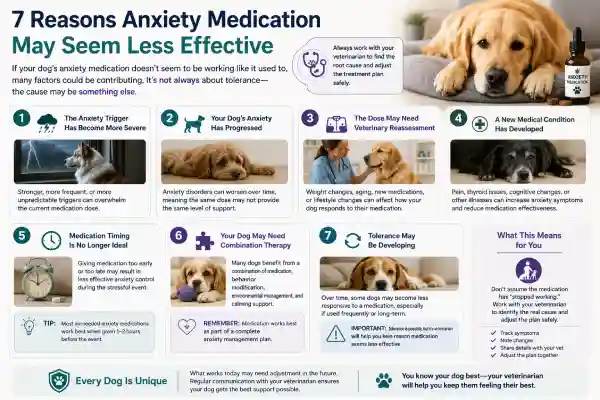
1. The Anxiety Trigger Has Become More Severe
A dog that previously reacted mildly to storms may now experience:
- Louder thunderstorms
- Multiple triggering events
- More frequent exposure
- Increased sensitivity
This can make an otherwise effective medication appear weaker.
Related PMMS Articles:
- Why Does My Dog Tremble During Thunderstorms Even With Medication?
- Can Dogs Take Diazepam for Thunderstorms?
2. Your Dog’s Anxiety Has Progressed
Anxiety disorders can worsen over time.
For example:
| Earlier Stage | Advanced Stage |
|---|---|
| Mild trembling | Panic behaviors |
| Occasional pacing | Constant pacing |
| Mild stress | Severe distress |
| Temporary fear | Persistent anxiety |
As anxiety progresses, treatment plans may need adjustment.
3. The Dose May Need Veterinary Reassessment
Dogs change over time.
Factors affecting medication response include:
- Weight changes
- Aging
- New health conditions
- Additional medications
- Lifestyle changes
Never increase the dose without veterinary approval.
4. A New Medical Condition May Be Contributing
Not all anxious behavior is caused by anxiety alone.
Medical conditions that can worsen anxiety-like symptoms include:
- Chronic pain
- Arthritis
- Cognitive dysfunction
- Thyroid disorders
- Neurological disease
- Hearing loss
- Vision loss
Older dogs are especially vulnerable to overlapping medical and behavioral issues.
5. Medication Timing Is No Longer Ideal
Many anxiety medications work best when given before a stressful event.
For example:
| Medication | Typical Onset |
|---|---|
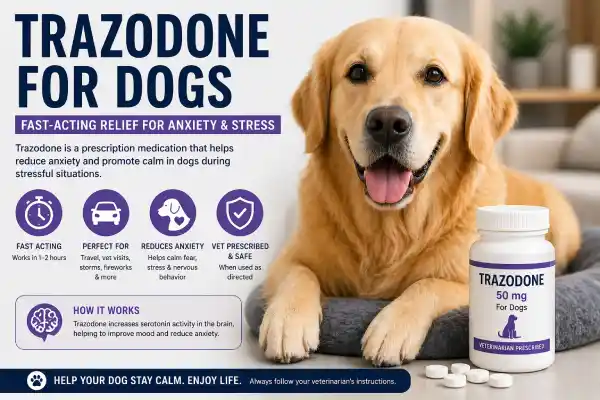
| Trazodone | 1–2 hours |
| Gabapentin | 1–2 hours |
| Diazepam | 15–60 minutes |
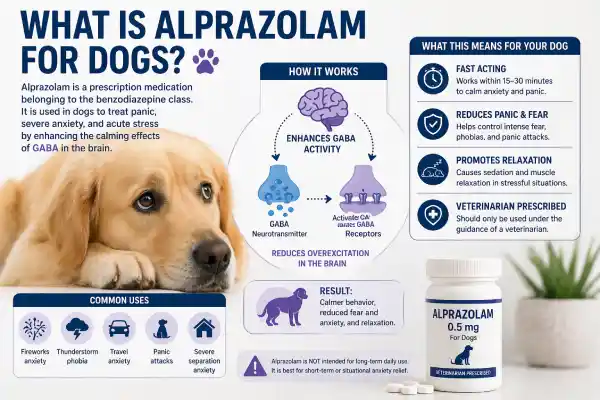
| Alprazolam | 30–60 minutes |
Giving medication too late may reduce effectiveness.
Related PMMS Articles:
- Is Trazodone or Gabapentin Better for Anxiety in Dogs?
- Can Dogs Take Melatonin With Anxiety Medication?
6. Your Dog May Need Combination Therapy
Many severe anxiety cases require more than one approach.
Veterinarians may combine:
- Medication
- Behavior modification
- Environmental management
- Calming strategies
- Supplemental support
Treatment often works best when multiple tools are used together.
7. Tolerance May Be Developing
In some situations, a dog’s body may become less responsive to a medication over time.
This is called tolerance.
However, tolerance is often blamed more frequently than it actually occurs.
Before assuming tolerance is the problem, veterinarians typically investigate other possibilities first.
Can Dogs Develop Tolerance to Anxiety Medication?
Sometimes.
Tolerance occurs when the body becomes less responsive to a medication after repeated use.
Potential signs include:
- Reduced effectiveness
- Shorter duration of action
- Return of anxiety symptoms
- Need for treatment reassessment
Tolerance is more commonly discussed with certain fast-acting anxiety medications than with long-term behavioral medications.
Which Anxiety Medications Are Most Commonly Associated With Tolerance?
| Medication | Tolerance Possible? | Notes |
|---|---|---|
| Trazodone | Sometimes | Variable response |
| Gabapentin | Sometimes | Individual differences |
| Alprazolam | More common | Long-term use concern |
| Diazepam | More common | Long-term use concern |
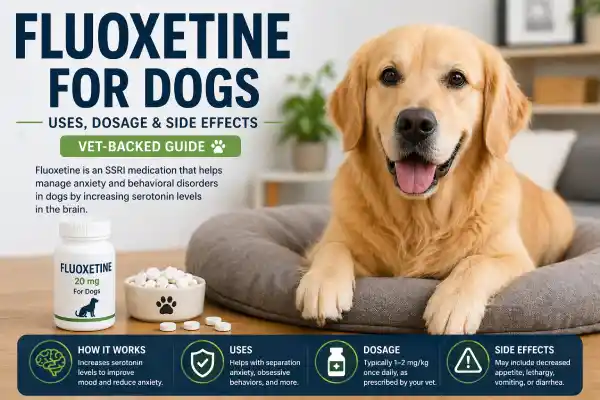
| Fluoxetine | Less common | Different mechanism |
| Clomipramine | Less common | Long-term management medication |
Only a veterinarian can determine whether tolerance is truly occurring.
When Anxiety Is Actually Getting Worse
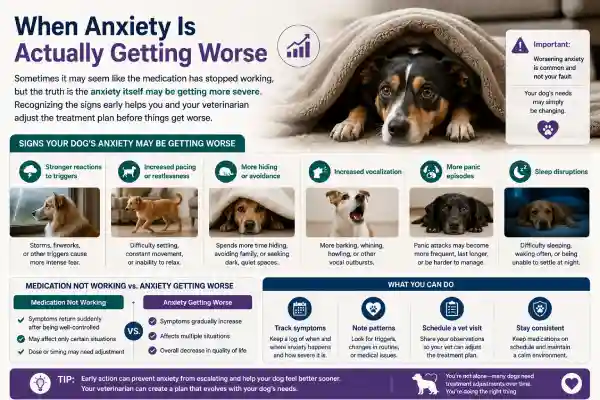
Sometimes the medication is working exactly as before.
The problem is that the anxiety itself has become more severe.
Signs may include:
- Stronger reactions to storms
- Increased pacing
- More hiding behavior
- New panic episodes
- Increased vocalization
- Restlessness despite medication
Related PMMS Articles:
- Can Dogs Take CBD With Anxiety Medication?
- Best Anxiety Medication for Dogs with Separation Anxiety
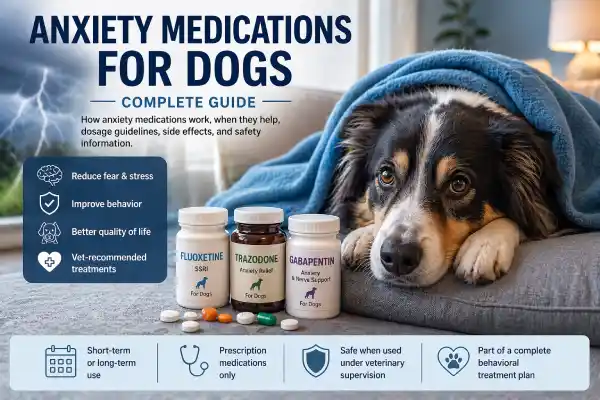
- Anxiety Medications for Dogs: Complete Guide
What Should Owners Do If Anxiety Medication Stops Working?
Recommended Actions
| Action | Why It Helps |
|---|---|
| Schedule a veterinary visit | Identifies underlying causes |
| Review medication timing | May improve effectiveness |
| Discuss dose adjustments | Ensures safe treatment |
| Monitor symptom patterns | Helps identify triggers |
| Rule out medical problems | Addresses hidden causes |
| Discuss combination therapy | May improve outcomes |
Avoid These Mistakes
| Avoid | Reason |
|---|---|
| Increasing medication yourself | Safety risk |
| Stopping medication abruptly | May worsen symptoms |
| Combining supplements without guidance | Interaction risk |
| Assuming tolerance is the only cause | May delay diagnosis |
When This May NOT Be Medication Related
Sometimes owners assume the medication has stopped working when another issue is present.
Potential causes include:
- Arthritis pain
- Age-related cognitive decline
- New environmental stressors
- Household changes
- Medical illness
- Recovery from surgery
A full veterinary evaluation may reveal factors unrelated to the medication itself.
Related Symptoms Owners Often Notice
Dogs whose anxiety medication appears less effective may also show:
- Trembling
- Panting
- Pacing
- Hiding
- Excessive barking
- Restlessness
- Clingy behavior
- Difficulty settling
Related PMMS Articles:
- Why Does My Dog Tremble During Thunderstorms Even With Medication?
- Can Anxiety Medication Cause Confusion in Dogs?
- Can Dogs Take CBD With Anxiety Medication?
- Can Dogs Take Melatonin With Anxiety Medication?
When Should Owners Contact Their Veterinarian?
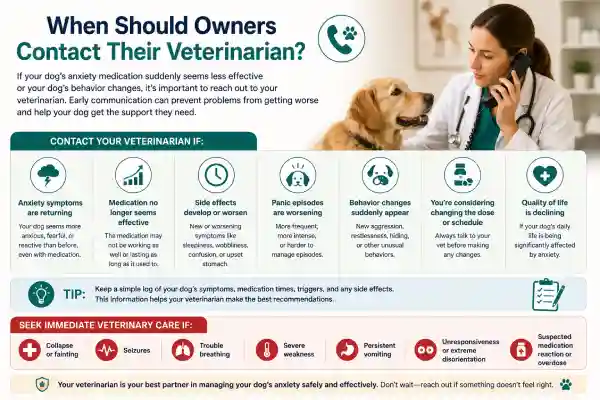
Contact your veterinarian if:
- Anxiety symptoms are returning
- Medication no longer seems effective
- New side effects develop
- Panic episodes are worsening
- Your dog appears confused
- Sleepiness becomes excessive
- Quality of life is declining
Veterinarians can often adjust the treatment plan before anxiety becomes severe.
When Is It an Emergency?
Seek immediate veterinary care if your dog develops:
| Emergency Sign | Urgency |
|---|---|
| Collapse | Emergency |
| Seizures | Emergency |
| Severe weakness | Emergency |
| Trouble breathing | Emergency |
| Unresponsiveness | Emergency |
| Severe medication reaction | Emergency |
Bottom Line
Why does anxiety medication stop working in dogs? The answer is often more complex than simple medication failure. Anxiety may be worsening, treatment timing may need adjustment, medical conditions may be contributing, or the dog may require a more comprehensive management plan. While tolerance can occur, it is only one of several possible explanations.Why Does Anxiety Medication Stop Working in Dogs?
Veterinarian Takeaway
When anxiety medication appears to stop working, the solution is rarely to simply increase the dose without investigation. Successful treatment depends on identifying the underlying cause of the change, reassessing the treatment plan, and ensuring that anxiety management evolves alongside your dog’s needs.
FAQ — Why Does Anxiety Medication Stop Working in Dogs?
1. Can dogs become immune to anxiety medication?
Not exactly, but some dogs may become less responsive over time.
2. Why did trazodone stop working for my dog?
The anxiety may have progressed, timing may be suboptimal, or treatment may need reassessment.
3. Can gabapentin stop working for anxiety?
Some owners feel its effects become less noticeable, but many factors can contribute.
4. Is tolerance common in dogs?
It depends on the medication and individual dog.
5. Should I increase the medication dose myself?
No. Always consult your veterinarian first.
6. Can anxiety get worse with age?
Yes. Aging can contribute to behavioral and medical changes.
7. Can medical conditions affect anxiety medication effectiveness?
Absolutely. Pain and illness can worsen anxiety symptoms.
8. Can dogs take CBD if anxiety medication stops working?
Possibly, but only with veterinary guidance.
9. Can combining medications improve results?
In some cases, veterinarians may recommend combination therapy.
10. When should I call my veterinarian?
If anxiety symptoms are worsening, returning, or affecting quality of life.
Medical Disclaimer
This article is for educational purposes only and does not replace professional veterinary advice, diagnosis, or treatment. The content is written and pharmacy-reviewed to improve medication safety awareness and help dog owners better understand anxiety medications, tolerance concerns, treatment effectiveness, and warning signs in dogs. Always consult your veterinarian regarding medication adjustments or ongoing anxiety concerns.
Reviewed By
Pet Meds Made Simple Editorial Team
Pharmacy Reviewed by Dimitar Atanasov MPharm
Master Pharmacist | Medication Safety Educator
Last Updated: May 2026
Editorial Policy
At PetMedsMadeSimple.com, our mission is to help dog owners better understand veterinary medications, side effects, safety concerns, and treatment expectations. Every article is reviewed through our pharmacist-led editorial process to improve clarity, accuracy, and medication safety awareness.
Sources & Scientific References
- Merck Veterinary Manual – Behavioral Disorders in Dogs.
- VCA Animal Hospitals – Anxiety in Dogs.
- American Veterinary Medical Association (AVMA) – Pet Anxiety Resources.
- American College of Veterinary Behaviorists (ACVB) – Canine Anxiety Guidance.
- PetMD – Anxiety Treatment Options for Dogs.
- Cornell University College of Veterinary Medicine – Canine Behavioral Health.
images created with AI – Why Does Anxiety Medication Stop Working in Dogs