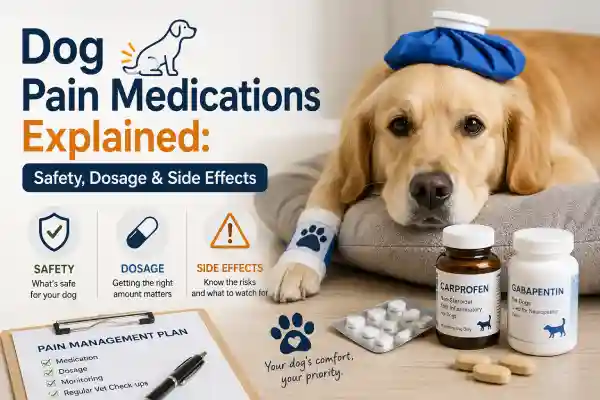

Quick Answer
Can pain medication cause increased thirst in dogs? Yes, some pain medications can contribute to increased thirst, although the medication itself is not always the direct cause. NSAIDs, opioids, and other pain-relieving drugs may occasionally be associated with excessive drinking, especially if they affect kidney function, cause dehydration through vomiting or diarrhea, or uncover an underlying medical condition. Mild increases in water intake may be temporary, but persistent or excessive thirst should always be discussed with your veterinarian.
Why Is My Dog Drinking More Water After Starting Pain Medication?
Many owners become concerned when they notice their dog emptying the water bowl much faster than usual after beginning treatment for pain.
It is a reasonable concern.
A dog that suddenly starts drinking significantly more water naturally makes owners wonder whether something is wrong with the medication.
In many cases, the answer is reassuring.
The medication itself may not be directly increasing thirst. Instead, several different factors can contribute to this change.
For example:
- improved mobility may encourage a dog to walk around more and drink more frequently
- recovery after surgery often increases water requirements
- stress from illness or hospitalization may temporarily affect drinking habits
- gastrointestinal side effects may lead to mild dehydration
- some medications may influence kidney function, causing increased thirst
This is why veterinarians rarely evaluate increased thirst based on one symptom alone.
Instead, they consider the complete clinical picture, including:
- appetite
- urination
- energy level
- blood work
- hydration status
- the specific medication being administered
If your dog has recently started treatment, it may also help to understand Should Dogs Take Pain Medication Before Meals?, since proper administration can reduce gastrointestinal side effects that sometimes contribute to dehydration.
Can Pain Medication Cause Increased Thirst in Dogs?
Can Pain Medication Cause Increased Thirst in Dogs?
The short answer is yes but not every pain medication behaves the same way.
Some medications are very unlikely to affect water consumption.
Others may indirectly lead to increased drinking because they influence the digestive system, kidneys, or overall hydration.
Veterinarians generally divide pain medications into several groups.
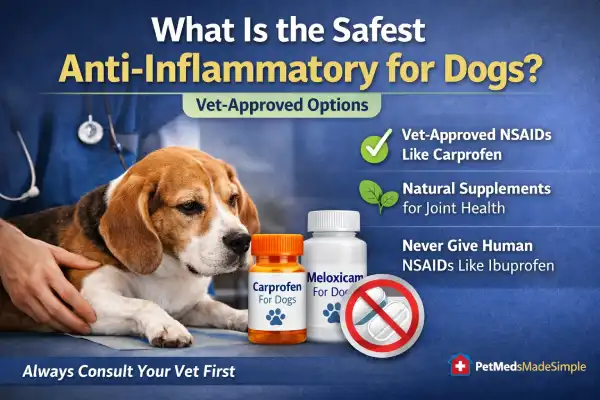
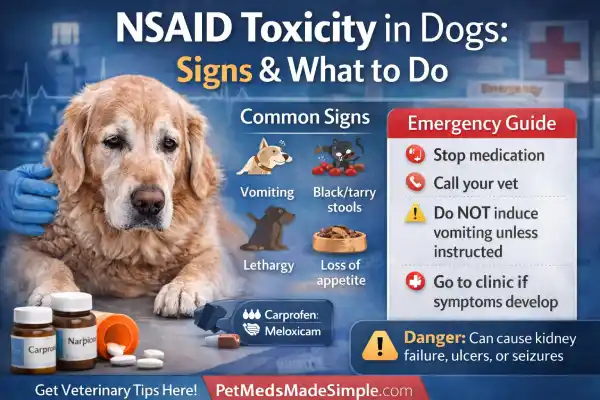
NSAIDs
Non-steroidal anti-inflammatory drugs are among the most commonly prescribed pain medications for dogs.
Examples include:
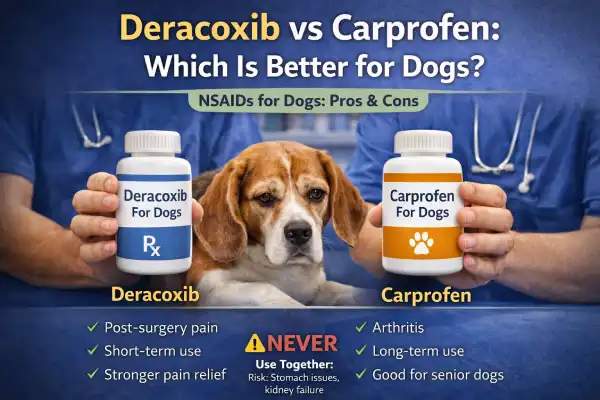
- carprofen
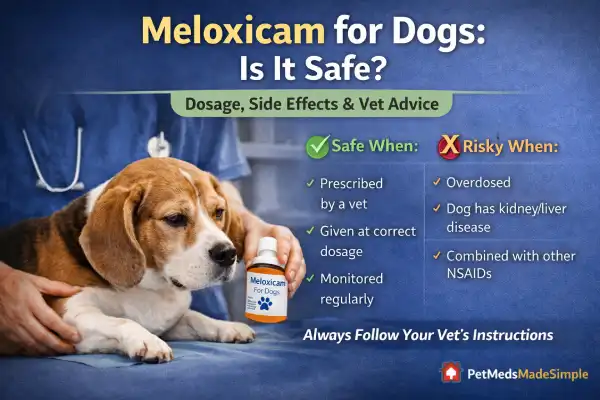
- meloxicam
- deracoxib
- firocoxib
- grapiprant
Most dogs tolerate these medications extremely well.
However, one of the reasons veterinarians recommend monitoring dogs receiving NSAIDs is that these medications can occasionally affect kidney function, particularly in dogs that are dehydrated or already have underlying kidney disease.
If kidney function becomes impaired, increased thirst may be one of the earliest clinical signs.
Fortunately, serious complications remain uncommon when NSAIDs are prescribed appropriately and regular monitoring is performed.
Opioid Pain Medications
Medications such as tramadol and certain stronger opioid drugs are less commonly associated with increased thirst.
Instead, they are more likely to cause:
- sedation
- constipation
- nausea
- reduced appetite
Some dogs may appear to drink more simply because they spend more time resting near their water bowl or because dry mouth develops during treatment.
Adjunctive Pain Medications
Drugs such as gabapentin are frequently combined with NSAIDs for chronic pain management.
Gabapentin itself is not considered a classic cause of excessive thirst.
However, every dog responds differently, and veterinarians always evaluate new symptoms carefully rather than assuming they are unrelated.
If your dog receives multiple medications simultaneously, identifying the exact cause becomes even more important.
Why NSAIDs Can Sometimes Lead to Increased Thirst

One of the most important reasons owners search “Can pain medication cause increased thirst?” involves NSAIDs.
These medications work by reducing inflammation through inhibition of prostaglandin production.
Prostaglandins are involved in pain and inflammation, but they also help maintain normal blood flow to several organs—including the kidneys.
In healthy dogs, this rarely creates problems.
However, certain situations increase risk.
Examples include:
- dehydration
- advanced age
- existing kidney disease
- heart disease
- liver disease
- severe illness
- low blood pressure during surgery
When kidney blood flow becomes compromised, the kidneys may lose some ability to concentrate urine effectively.
As a result, a dog may:
- urinate more frequently
- produce larger volumes of urine
- become thirstier than usual
This is one reason veterinarians often recommend baseline blood testing before starting long-term NSAID therapy.
You can learn more in our article Do Pain Medications Affect Kidney Values in Dogs?
Is Increased Thirst Always a Side Effect of the Medication?
Absolutely not.
This is one of the biggest misconceptions among dog owners.
Sometimes the medication receives the blame even though another condition is actually responsible.
For example, increased thirst may result from:
- chronic kidney disease
- diabetes mellitus
- Cushing’s disease
- urinary tract infection
- fever
- dehydration
- recovery after surgery
- ongoing inflammation
Pain itself may also contribute.
A dog experiencing significant discomfort often pants more heavily.
Panting increases fluid loss through evaporation, naturally leading to greater water consumption.
Ironically, once effective pain relief begins, some dogs actually drink less because they are no longer stressed or panting excessively.
This is why veterinarians avoid stopping pain medication based solely on increased thirst without first investigating the true cause.
How Much Water Is Too Much?
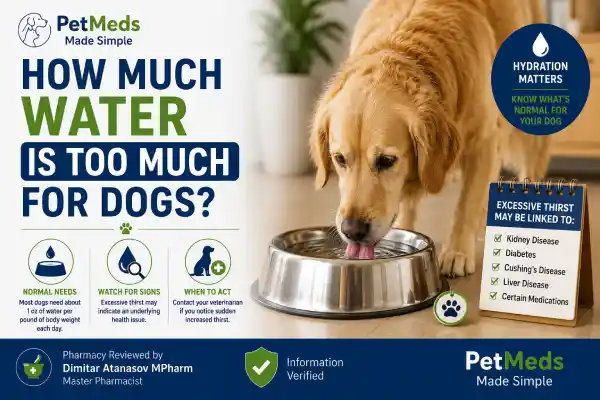
Many owners notice their dog drinking more water but struggle to determine whether it is actually excessive.
Normal water consumption varies according to:
- body weight
- environmental temperature
- activity level
- diet
- underlying medical conditions
A dog eating canned food may naturally drink much less than a dog eating dry kibble.
Likewise, hot summer weather or increased physical activity can significantly increase daily water intake without indicating illness.
Veterinarians become more concerned when increased thirst is accompanied by additional symptoms such as:
- frequent urination
- urinary accidents indoors
- vomiting
- diarrhea
- decreased appetite
- lethargy
- weight loss
When multiple symptoms occur together, further evaluation is recommended.
Could Increased Thirst Be a Sign of Kidney Problems?
Yes.
Although uncommon, kidney injury is one of the most important complications veterinarians monitor in dogs receiving NSAIDs.
The kidneys play a critical role in regulating water balance.
When kidney function declines, dogs often lose their ability to concentrate urine effectively.
As more dilute urine is produced, the body compensates by increasing thirst.
Fortunately, early detection greatly improves the chances of preventing serious complications.
For this reason, veterinarians often recommend routine blood work before and during long-term treatment.
Our detailed article How Veterinarians Monitor Dogs on Long-Term Pain Medication explains why these routine examinations are such an important part of safe pain management.
Could Liver Problems Also Cause Increased Thirst?
Yes.
Although kidney disease is often discussed first, liver problems can also contribute to increased thirst in some dogs.
Fortunately, liver-related complications from pain medications are uncommon, but veterinarians remain vigilant because early detection can prevent more serious illness.
The liver performs hundreds of essential functions, including:
- processing medications
- producing important proteins
- supporting digestion
- regulating metabolism
- removing toxins from the bloodstream
If liver function becomes impaired, dogs may gradually develop signs such as:
- increased thirst
- increased urination
- decreased appetite
- vomiting
- weight loss
- yellow discoloration of the gums or eyes (jaundice)
- lethargy
Most dogs taking NSAIDs never develop liver injury, but because it is a recognized potential adverse effect, veterinarians often recommend periodic blood testing during long-term treatment.
If you would like to learn more about this topic, our guide Do Pain Medications Affect Liver Enzymes in Dogs? explains why liver monitoring is sometimes recommended even in dogs that appear completely healthy.
Could Increased Thirst Simply Mean My Dog Is Recovering?
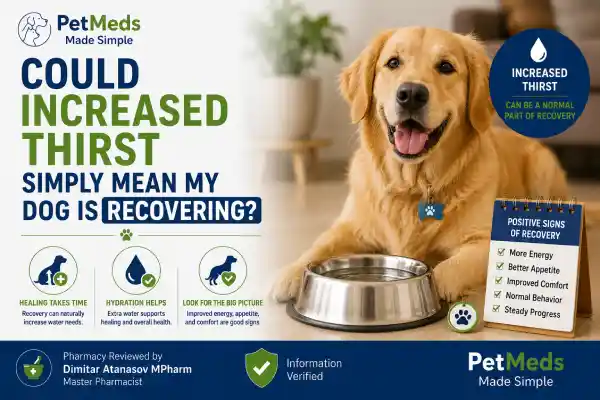
Absolutely.
One of the easiest mistakes owners make is assuming every new symptom must be a medication side effect.
Sometimes increased water intake is actually a positive sign.
For example, after orthopedic surgery or treatment for severe arthritis, many dogs become significantly more active once their pain is controlled.
Instead of lying quietly all day, they begin walking around the house, spending more time outdoors, and exercising again.
Naturally, increased activity leads to increased water consumption.
Similarly, dogs recovering from illness may finally regain their appetite and hydration after several uncomfortable days.
This is why veterinarians always ask questions such as:
- Is your dog otherwise acting normally?
- Has urination also increased?
- Has appetite changed?
- Is the dog brighter and more comfortable than before?
- Are there any additional symptoms?
Looking at the whole picture is far more valuable than focusing on thirst alone.
Can Pain Itself Cause Increased Thirst?
Surprisingly, yes.
Many owners assume the medication is responsible because the increased drinking begins around the same time treatment starts.
However, the underlying pain may have contributed long before the medication was prescribed.
Pain activates the body’s stress response.
Dogs experiencing significant pain may:
- pant excessively
- become anxious
- pace continuously
- struggle to settle comfortably
All of these behaviors increase water requirements.
Once effective pain relief begins, drinking habits often return to normal over several days.
This is another reason veterinarians avoid blaming the medication too quickly.
The improvement or progression of the underlying disease is always considered.
Which Dogs Are Most Likely to Develop Increased Thirst?
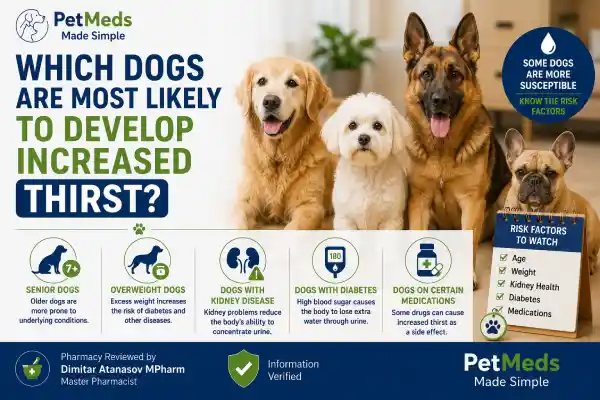
Although any dog can experience changes in water intake, certain patients deserve closer monitoring.
Higher-risk dogs include:
- senior dogs
- dogs with chronic kidney disease
- dogs with liver disease
- dogs receiving multiple medications
- dehydrated dogs
- dogs recovering from major surgery
- dogs with heart disease
- dogs with endocrine disorders such as diabetes or Cushing’s disease
These dogs often benefit from more frequent follow-up examinations and laboratory testing throughout treatment.
Owners should never hesitate to report changes in drinking or urination, even if the dog otherwise appears comfortable.
When Should Increased Thirst Be Considered an Emergency?
Most cases are not emergencies.
However, excessive thirst should never be ignored when it develops suddenly or is accompanied by additional symptoms.
Contact your veterinarian promptly if your dog develops:
- repeated vomiting
- severe diarrhea
- complete loss of appetite
- marked lethargy
- weakness or collapse
- bloody or black stools
- dramatically increased urination
- pale gums
- yellow gums or eyes
- refusal to drink despite appearing dehydrated
These signs may indicate complications requiring immediate medical evaluation rather than a simple medication adjustment.
How Veterinarians Investigate Increased Thirst
When a dog develops excessive thirst after starting pain medication, veterinarians rarely assume the medication is the sole cause.
Instead, they perform a systematic evaluation.
This often includes:
Medical History
Your veterinarian will ask questions such as:
- When did the thirst begin?
- Which medication was started?
- Has the dose recently changed?
- Is your dog urinating more?
- Has appetite changed?
- Have vomiting or diarrhea occurred?
These answers help narrow the list of possible causes.
Physical Examination
A complete examination may evaluate:
- hydration status
- body weight
- heart rate
- temperature
- abdominal discomfort
- joint pain
- mucous membrane color
Many important clues can be identified before any laboratory tests are performed.
Blood Tests
Routine blood work commonly evaluates:
- kidney values
- liver enzymes
- blood glucose
- electrolyte balance
- hydration markers
These tests help determine whether increased thirst is related to medication, an underlying disease, or another medical condition entirely.
Urinalysis
A urine sample provides valuable information about:
- urine concentration
- kidney function
- urinary tract infections
- glucose in the urine
- protein loss
Combined with blood work, urinalysis often provides the clearest picture of why a dog has become excessively thirsty.
How Owners Can Monitaor Water Intake at Home
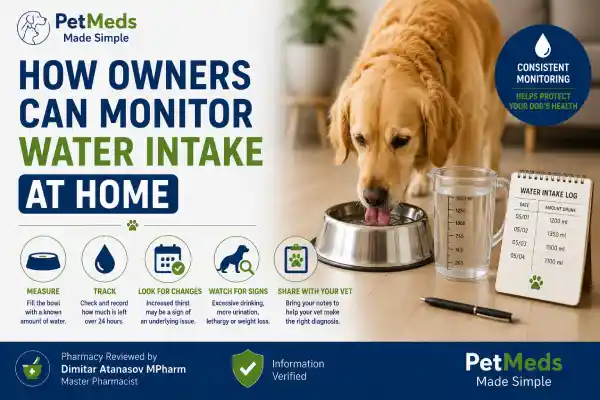
Most owners estimate how much their dog drinks.
Instead, try measuring it.
A simple notebook can be surprisingly helpful.
Record:
- how much water is offered
- approximately how much remains at the end of the day
- urination frequency
- appetite
- medication times
- any vomiting or diarrhea
Even a few days of accurate observations can help your veterinarian identify important trends that might otherwise be missed.
If your dog receives long-term pain medication, these records can also make routine recheck appointments much more productive.
Practical Tips for Managing Increased Thirst Safely
If your dog has started drinking more water after beginning pain medication, there is no need to panic—but there is good reason to pay attention.
The safest approach is to monitor the change carefully rather than making assumptions.
Here are several practical steps every owner can take:
✔ Always provide unlimited access to fresh, clean water.
✔ Never restrict your dog’s water intake, even if they seem to be drinking more than usual.
✔ Give the medication exactly as prescribed.
✔ Keep track of approximately how much water your dog drinks each day.
✔ Watch for changes in urination, appetite, energy level, or behavior.
✔ Attend all recommended recheck appointments and blood tests.
✔ Contact your veterinarian if the increased thirst continues for more than a few days or becomes progressively worse.
Simple observation at home often provides valuable information that helps veterinarians determine whether increased thirst is a harmless temporary change or an early sign of a medical problem.
Bottom Line
Can pain medication cause increased thirst in dogs? Yes, it can, but the medication is not always the direct cause. Some pain medications—particularly NSAIDs—may contribute to increased thirst by affecting kidney function or causing gastrointestinal side effects that lead to mild dehydration. In many cases, however, increased drinking is related to recovery, increased activity, the underlying disease, or another medical condition rather than the medication itself. If your dog develops excessive thirst that persists or is accompanied by vomiting, diarrhea, increased urination, lethargy, or loss of appetite, veterinary evaluation is recommended.
Veterinarian Takeaway
One of the most common questions owners ask is, “Can pain medication cause increased thirst in dogs?” While the answer is yes, veterinarians rarely assume the medication is responsible without first evaluating the entire patient. Increased thirst can result from the medication, the painful condition being treated, dehydration, recovery after surgery, or an unrelated disease such as kidney disease, diabetes, or Cushing’s disease. Monitoring your dog’s overall health and reporting any changes early allows potential problems to be identified before they become serious.
Frequently Asked Questions – Can Pain Medication Cause Increased Thirst in Dogs?
Can pain medication cause increased thirst in dogs?
Yes. Some pain medications, particularly NSAIDs, may contribute to increased thirst in certain dogs. However, many cases are caused by dehydration, recovery, or another underlying medical condition rather than the medication itself.
Which pain medications are most likely to increase thirst?
NSAIDs such as carprofen, meloxicam, deracoxib, and firocoxib are the medications veterinarians monitor most closely because, in uncommon cases, they can affect kidney function. Opioids and gabapentin are generally less likely to directly cause excessive thirst.
Is increased thirst normal after surgery?
It can be. Recovery, increased activity, intravenous fluids administered during hospitalization, and mild dehydration may all temporarily increase water consumption during the first few days after surgery.
Should I stop my dog’s pain medication if they start drinking more water?
No. Never stop prescribed pain medication without speaking to your veterinarian. Abruptly discontinuing treatment may allow pain to return while failing to address the actual cause of the increased thirst.
How much water is considered too much?
Normal water intake varies between dogs. A sudden, persistent increase—especially when combined with increased urination, vomiting, diarrhea, or lethargy—should be evaluated by your veterinarian.
Can kidney disease cause increased thirst while taking pain medication?
Yes. Kidney disease is one of the most important conditions veterinarians consider when a dog develops excessive thirst during NSAID therapy, although many other causes are also possible.
Can liver disease also make dogs drink more water?
Yes. Although less common than kidney-related causes, liver disease may also contribute to increased thirst and urination, particularly if liver function becomes significantly impaired.
Can dehydration make my dog seem thirstier after taking pain medication?
Absolutely. Vomiting, diarrhea, reduced food intake, hot weather, or increased activity may all lead to dehydration, causing dogs to drink considerably more water.
How do veterinarians determine whether the medication is responsible?
Veterinarians combine your dog’s history, physical examination, blood work, urinalysis, and response to treatment to determine whether the medication, an underlying illness, or another factor is responsible for the increased thirst.
When should I contact my veterinarian?
Contact your veterinarian promptly if increased thirst is severe, continues for several days, or is accompanied by vomiting, diarrhea, weakness, loss of appetite, increased urination, black stools, pale gums, or yellow discoloration of the gums or eyes.
Sources
- Plumb DC. Plumb’s Veterinary Drug Handbook. Latest edition.
- American Animal Hospital Association (AAHA). 2022 AAHA Pain Management Guidelines for Dogs and Cats.
- Merck Veterinary Manual. Pain Management in Dogs and Cats.
- Merck Veterinary Manual. Acute Kidney Injury in Dogs and Cats.
- World Small Animal Veterinary Association (WSAVA). Guidelines for Recognition, Assessment and Treatment of Pain.
- Papich MG. Saunders Handbook of Veterinary Drugs.
- Grimm KA, Lamont LA, Tranquilli WJ, Greene SA, Robertson SA. Veterinary Anesthesia and Analgesia.
- Fossum TW. Small Animal Surgery.
- Small Animal Clinical Pharmacology.
- BSAVA Manual of Canine and Feline Anaesthesia and Analgesia.
Medical Review Statement
Medical Review: This article was pharmacy-reviewed by Dimitar Georgiev Atanasov, MPharm, and veterinary-reviewed by Dr. Valcho Georgiev Valchev, DVM. It is intended for educational purposes only and should not replace professional veterinary advice. If your dog develops increased thirst while taking pain medication, consult your veterinarian before making any changes to the prescribed treatment plan.
Image Disclosure
Image Disclosure: Some images used in this article may be AI-generated or digitally enhanced for educational and illustrative purposes. They are intended to help explain veterinary concepts and should not replace professional veterinary diagnosis or treatment.