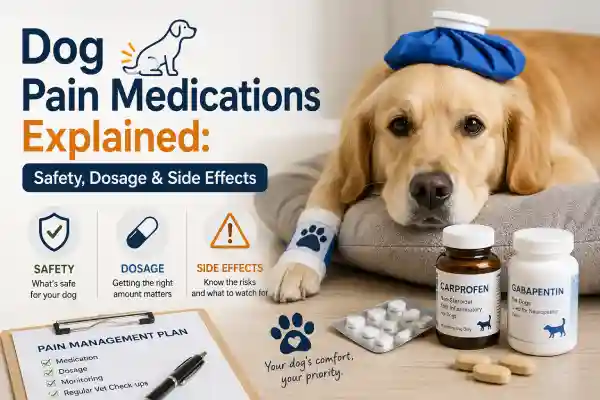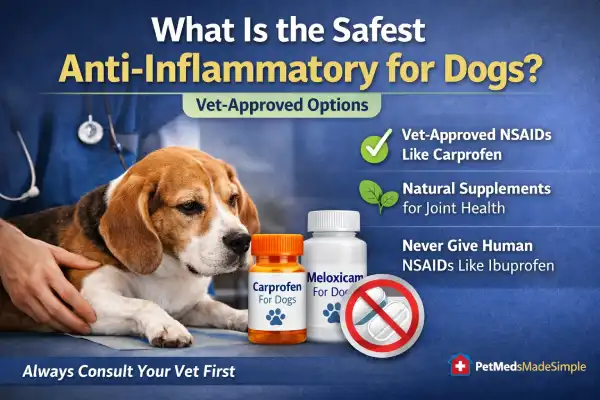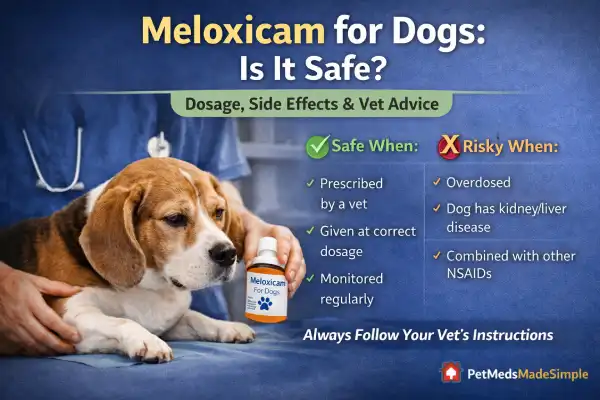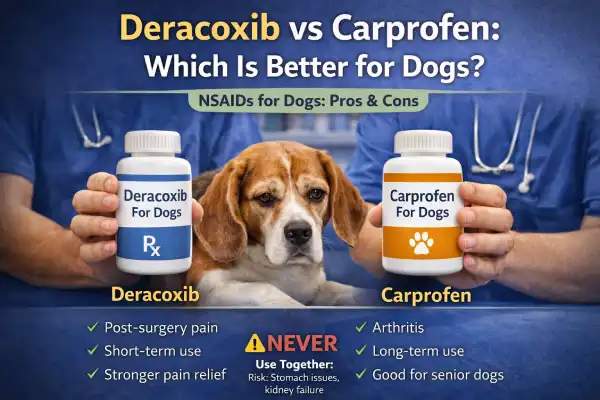

Quick Answer
Should pain medication be given before meals for dogs? In most cases, pain medication should not be given before meals if your dog is taking a non-steroidal anti-inflammatory drug (NSAID) such as carprofen, meloxicam, deracoxib, or firocoxib. Giving these medications with food or shortly after a meal may help reduce stomach irritation and improve tolerance. However, not every pain medication follows the same rules, so always follow your veterinarian’s specific instructions for the medication your dog has been prescribed.
Should Pain Medication Be Given Before Meals for dogs?
One of the most common questions dog owners ask after picking up a new prescription is:
“Should pain medication be given before meals for dogs?”
It is an important question because the answer can affect both your dog’s comfort and medication safety.
Many owners assume that all pain medications should be given on an empty stomach so they “work faster.” Others believe every medication must always be hidden in food. In reality, the correct answer depends on which pain medication your dog is taking and why it was prescribed.
For many of the medications veterinarians prescribe most often, giving the medication with food is the safest approach. Food can help reduce stomach irritation without significantly reducing the medication’s effectiveness.
Understanding whether pain medication should be given before meals can help prevent unnecessary digestive upset while ensuring your dog receives the full benefit of treatment.
Should Pain Medication Be Given Before Meals for Dogs?
Why Meal Timing Matters
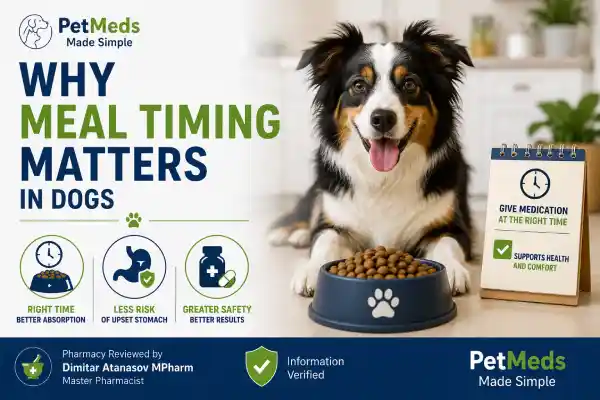
Meal timing is more important than many owners realize.
When medication reaches an empty stomach, it comes into direct contact with the stomach lining before food begins buffering the contents. Some medications are well tolerated under these circumstances, while others may irritate the stomach and increase the likelihood of digestive side effects.
Veterinarians consider several factors when deciding whether pain medication should be given before meals for dogs, including:
- the specific medication
- your dog’s age
- previous stomach problems
- liver and kidney health
- the duration of treatment
- whether other medications are being given at the same time
This is why two dogs taking different pain medications may receive completely different dosing instructions.
Most NSAIDs Are Best Given With Food
For dogs, the most commonly prescribed pain medications belong to a group called non-steroidal anti-inflammatory drugs (NSAIDs).
Examples include:
- Carprofen
- Meloxicam
- Deracoxib
- Firocoxib
- Grapiprant (although technically not a traditional NSAID, it is commonly discussed alongside them for osteoarthritis pain management)
These medications reduce inflammation and provide excellent pain relief, but they may also irritate the stomach in some dogs.
Giving these medications with food may help:
- reduce stomach irritation
- decrease nausea
- lower the chance of vomiting
- improve overall tolerance during long-term treatment
This is one reason veterinarians frequently recommend feeding your dog first before administering these medications.
If your dog is receiving long-term NSAID therapy, you should also understand how veterinarians monitor safety over time. Our guide on How Veterinarians Monitor Dogs on Long-Term Pain Medication explains why regular examinations and blood tests are such an important part of treatment.
Why Food Helps Protect the Stomach

Food does not “cancel out” the medication.
Instead, it acts as a protective buffer.
When food is present inside the stomach:
- stomach acid mixes with food rather than directly contacting the stomach lining
- medications become diluted within stomach contents
- irritation may be reduced
- digestion slows enough for smoother absorption
This protective effect is especially helpful for dogs receiving NSAIDs over several weeks or months.
Although giving food cannot completely eliminate the possibility of stomach ulcers or gastrointestinal bleeding, it is one simple step that may improve your dog’s tolerance to treatment.
Does Giving Pain Medication With Food Make It Less Effective?
This is another concern owners frequently have.
Fortunately, for most veterinary pain medications, the answer is no.
Giving pain medication with food generally does not significantly reduce its ability to relieve pain.
Instead, the small difference in absorption speed is usually outweighed by the benefit of reducing digestive side effects.
Veterinarians almost always prioritize consistent dosing and good stomach tolerance over achieving the fastest possible absorption.
A medication that your dog tolerates well is much more likely to be given consistently throughout the entire treatment period.
Not Every Pain Medication Follows the Same Rules
Although many NSAIDs are best given with food, other pain medications may have different recommendations.
For example:
- some medications can safely be given with or without food
- others may be adjusted depending on whether digestive side effects occur
- certain medications are prescribed together with other drugs that influence dosing recommendations
This is why owners should never assume that all pain medications follow identical instructions.
Always follow the directions printed on your prescription label and any additional instructions provided by your veterinarian.
What If My Dog Refuses to Eat?

This is one of the situations that worries owners the most.
Your dog needs the medication but refuses breakfast.
Should you still give the medication?
The answer depends on:
- which medication has been prescribed
- why your dog has stopped eating
- how urgent the pain control is
- whether vomiting or nausea is also present
Sometimes your veterinarian may recommend waiting until your dog eats.
Other times, they may advise giving the medication anyway or temporarily changing the treatment plan.
If your dog suddenly refuses food while taking pain medication, do not simply continue giving repeated doses without contacting your veterinary clinic.
Loss of appetite can sometimes be an early warning sign of medication intolerance or another medical problem requiring prompt evaluation.
Should Pain Medication Be Given Before Meals for dgs During Long-Term Treatment?
Dogs receiving pain medication for chronic conditions such as osteoarthritis often remain on treatment for weeks, months, or even years.
In these cases, maintaining good stomach health becomes just as important as controlling pain.
Giving medication consistently with meals may help create a routine that:
- makes doses easier to remember
- improves treatment compliance
- reduces digestive upset
- encourages long-term tolerance
Small daily habits often make the biggest difference during lifelong pain management.
Are There Any Pain Medications That Can Be Given Before Meals?

Many owners assume that pain medication should be given before meals regardless of the medication prescribed. However, this is not always true.
While most NSAIDs are better tolerated with food, other pain medications may be administered with or without meals depending on your veterinarian’s instructions.
For example:
- Gabapentin can often be given with or without food.
- Some opioid medications may also be administered independently of meals.
- Certain medications are adjusted based on whether stomach upset develops during treatment.
This is why the answer to “Should pain medication be given before meals for dogs?” is never exactly the same for every dog.
Always follow the directions provided by your veterinarian rather than assuming every pain medication follows identical dosing instructions.
What If My Dog Vomits After Taking Pain Medication Before Meals?
One reason owners ask should pain medication be given before meals for dogs is because their dog vomited after receiving a dose on an empty stomach.
Vomiting should never be ignored.
It may simply indicate mild stomach irritation, but it can also be an early sign that the medication is not being tolerated properly.
Possible causes include:
- stomach irritation
- nausea
- medication intolerance
- progression of the underlying illness
- another unrelated gastrointestinal condition
If your dog vomits after receiving pain medication before meals:
- do not automatically repeat the dose
- offer fresh water
- monitor closely for additional symptoms
- contact your veterinarian before giving the next scheduled dose
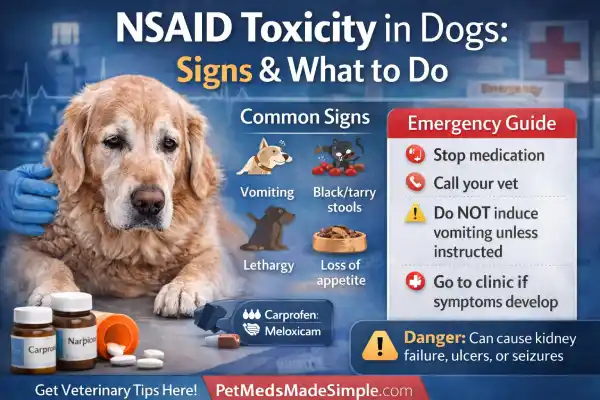
Repeated vomiting or vomiting accompanied by black stools, weakness, or loss of appetite requires immediate veterinary evaluation.
Can Giving Pain Medication Before Meals Increase the Risk of Stomach Problems?
Yes for many NSAIDs, giving medication on an empty stomach may increase the likelihood of digestive irritation.
This does not mean every dog will develop problems, but food often helps improve stomach tolerance.
Potential gastrointestinal side effects include:
- nausea
- vomiting
- reduced appetite
- stomach irritation
- gastric ulceration
- gastrointestinal bleeding
Food cannot completely eliminate these risks, but it may reduce irritation in susceptible dogs.
If your dog is receiving long-term NSAID therapy, it is also worth reading Do Pain Medications Affect Liver Enzymes in Dogs? and Do Pain Medications Affect Kidney Values in Dogs?, as these articles explain why veterinarians sometimes recommend routine blood monitoring during prolonged treatment.
Should Pain Medication Be Given Before Meals in Puppies?

Puppies require additional care because their digestive systems are still developing.
Owners frequently ask should pain medication be given before meals in dogs after surgery, fracture repair, or other orthopedic procedures.
In many cases, veterinarians recommend giving NSAIDs with food whenever possible to reduce the chance of stomach irritation.
Treatment recommendations depend on:
- age
- body weight
- the medication prescribed
- the surgical procedure
- the puppy’s overall health
Never assume adult dosing recommendations automatically apply to puppies.
Should Pain Medication Be Given Before Meals in Senior Dogs?
Senior dogs are among the most common patients receiving long-term pain medication.
Many older dogs have:
- osteoarthritis
- reduced kidney function
- liver disease
- multiple chronic medications
Because of these factors, veterinarians often recommend giving NSAIDs with meals unless there is a specific reason not to.
Senior dogs should also receive regular veterinary examinations and laboratory monitoring throughout long-term treatment.
Is Meal Timing More Important During Long-Term Pain Management?
Absolutely.
If your dog receives pain medication every day for chronic arthritis, consistency becomes extremely important.
Many owners who ask should pain medication be given before meals for dogs are caring for dogs receiving medication for months or even years.
A consistent routine may help:
- improve medication compliance
- reduce digestive upset
- make doses easier to remember
- support long-term treatment success
If your dog is receiving chronic pain management, our guides on Can Dogs Stay on NSAIDs for Life? and How Veterinarians Monitor Dogs on Long-Term Pain Medication provide additional information about long-term safety and monitoring.
What If My Dog Eats Only Once a Day?

Some dogs naturally eat only one full meal every day.
This raises another common question:
Should pain medication be given before meals if my dog only eats once daily?
The answer depends on:
- which medication your dog receives
- whether it is given once or twice daily
- your veterinarian’s recommendations
Your veterinarian may suggest:
- dividing the daily food into two smaller meals
- offering a small snack with the medication
- adjusting the medication schedule
- choosing a different medication if necessary
Never change the dosing schedule on your own.
Practical Tips If You’re Unsure Whether Pain Medication Should Be Given Before Meals
If you are still wondering should pain medication be given before meals for dogs, these practical tips can help keep your dog safe.
✔ Read the prescription label carefully.
✔ Follow your veterinarian’s instructions exactly.
✔ Give NSAIDs with food whenever recommended.
✔ Ensure your dog has access to fresh drinking water.
✔ Monitor for vomiting, diarrhea, decreased appetite, or black stools.
✔ Never combine pain medications without veterinary approval.
✔ Contact your veterinarian if your dog refuses food before multiple consecutive doses.
Small daily habits often make the biggest difference in keeping long-term pain management both safe and effective.
Bottom Line
Should pain medication be given before meals for dogs? For most dogs receiving NSAIDs such as carprofen, meloxicam, deracoxib, or firocoxib, the answer is usually no. These medications are generally better tolerated when given with food or shortly after a meal because food may help reduce stomach irritation. However, should pain medication be given before meals for dgs depends on the specific medication your dog is taking, the condition being treated, and your veterinarian’s recommendations. Never change the dosing schedule on your own, and contact your veterinarian if your dog develops vomiting, diarrhea, loss of appetite, or other concerning side effects.
Veterinarian Takeaway
Owners frequently ask, “Should pain medication be given before meals for dogs?” because they want to keep their dog both comfortable and safe. For many NSAIDs, administering the medication with food is a simple way to help improve gastrointestinal tolerance during treatment. However, not all pain medications follow the same recommendations. If your dog refuses food, vomits after medication, or develops digestive signs, do not assume you should continue giving doses before meals. Contact your veterinarian, as the medication schedule or treatment plan may need to be adjusted based on your dog’s individual needs.
Frequently Asked Questions – Should Pain Medication Be Given Before Meals for Dogs?
Should pain medication be given before meals for dogs every time?
Not necessarily. Should pain medication be given before meals for dogs depends on the medication prescribed. Many NSAIDs are recommended with food, while other medications may be given with or without meals according to your veterinarian’s instructions.
Should pain medication be given before meals if my dog has a sensitive stomach?
Usually no. Dogs with sensitive stomachs often tolerate NSAIDs better when they are given with food, which may reduce stomach irritation and nausea.
Should pain medication be given before meals if my dog refuses breakfast?
If your dog refuses food, do not automatically give the medication. Contact your veterinarian, especially if your dog is taking an NSAID or has also developed vomiting, diarrhea, or lethargy.
Does giving pain medication with food make it less effective?
For most veterinary NSAIDs, giving the medication with food does not significantly reduce pain relief and may improve stomach tolerance.
Can I hide pain medication inside treats?
Yes, in many cases. Pill pockets or a small amount of food are commonly used unless your veterinarian specifically recommends administering the medication differently.
What should I do if my dog vomits after taking pain medication?
Do not automatically repeat the dose. Monitor your dog closely and contact your veterinarian for advice before giving the next scheduled dose.
Can I switch from giving pain medication before meals to after meals?
Do not change the dosing schedule without veterinary guidance. If your dog develops stomach upset, your veterinarian may recommend administering future doses with food or adjusting the treatment plan.
Why do veterinarians usually recommend NSAIDs with food?
Food may reduce stomach irritation and improve gastrointestinal tolerance, especially during long-term treatment for conditions such as osteoarthritis.
Should senior dogs always receive pain medication with food?
Many senior dogs benefit from receiving NSAIDs with meals because they are often more susceptible to gastrointestinal side effects and may have additional health conditions requiring closer monitoring.
Is it dangerous to give NSAIDs on an empty stomach?
Not every dog will experience problems, but administering NSAIDs on an empty stomach may increase the risk of stomach irritation in susceptible dogs. Always follow your veterinarian’s instructions.
Sources
- Plumb DC. Plumb’s Veterinary Drug Handbook. Latest edition.
- American Animal Hospital Association (AAHA). 2022 AAHA Pain Management Guidelines for Dogs and Cats.
- Merck Veterinary Manual. Pain Management in Dogs and Cats.
- World Small Animal Veterinary Association (WSAVA). Guidelines for Recognition, Assessment and Treatment of Pain.
- Grimm KA, Lamont LA, Tranquilli WJ, Greene SA, Robertson SA. Veterinary Anesthesia and Analgesia.
- Papich MG. Saunders Handbook of Veterinary Drugs.
- Fossum TW. Small Animal Surgery.
- Mathews K, et al. Guidelines for Recognition, Assessment and Treatment of Pain.
- Small Animal Clinical Pharmacology.
- BSAVA Manual of Canine and Feline Anaesthesia and Analgesia.
Medical Review Statement
Medical Review: This article was pharmacy-reviewed by Dimitar Georgiev Atanasov, MPharm, and veterinary-reviewed by Dr. Valcho Georgiev Valchev, DVM. The information is intended for educational purposes only and should not replace individualized veterinary advice. If you are unsure whether pain medication should be given before meals, consult your veterinarian before changing your dog’s medication schedule.
Image Disclosure
Image Disclosure: Some images used in this article may be AI-generated or digitally enhanced for educational and illustrative purposes. They are intended to support understanding of veterinary concepts and should not replace professional veterinary diagnosis or treatment.