
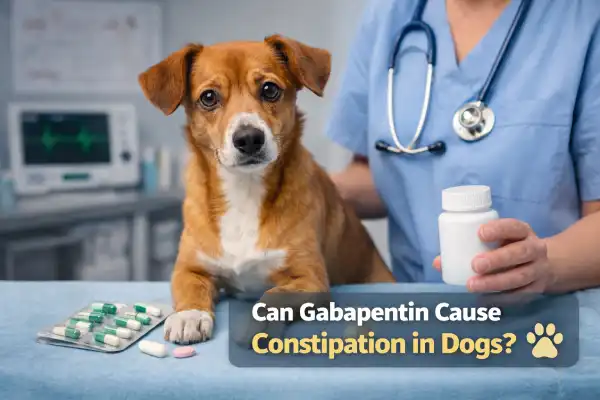
Can Gabapentin Cause Constipation in Dogs – Gabapentin is a medication frequently prescribed by veterinarians to treat pain, nerve disorders, seizures, and anxiety in dogs. It is especially common in dogs suffering from arthritis, spinal problems, or chronic nerve pain. While gabapentin is generally considered safe when used under veterinary supervision, pet owners often notice certain side effects after their dog begins treatment.
One question that frequently arises is: Can gabapentin cause constipation in dogs?
The short answer is yes, gabapentin can sometimes cause constipation in dogs, although it is not among the most common side effects. In some dogs, the medication may slow intestinal movement, which can lead to firmer stools or difficulty passing bowel movements.
Understanding why this happens, how common it is, and what you can do to help your dog is important for maintaining your pet’s comfort and digestive health.
What Is Gabapentin and How Does It Work?
Gabapentin was originally developed to treat epilepsy in humans, but today it is widely used in veterinary medicine as well. Veterinarians often prescribe gabapentin to help manage:
- Chronic pain
- Neuropathic (nerve) pain
- Seizures
- Anxiety or stress
- Post-surgical pain
The medication works by affecting nerve signaling in the brain and spinal cord. It reduces abnormal electrical activity in the nervous system and decreases the transmission of pain signals.
Because of its relatively mild safety profile and effectiveness in managing nerve-related pain, gabapentin has become one of the most commonly prescribed pain medications for dogs.
Is Constipation a Known Side Effect of Gabapentin?
Constipation is not the most frequently reported side effect, but it can occur in some dogs taking gabapentin.
Most dogs tolerate the medication well, but side effects may include:
- Drowsiness or sedation
- Mild loss of coordination
- Increased appetite
- Digestive changes
- Constipation (in some cases)
Digestive side effects happen because medications that affect the nervous system may also influence intestinal motility, which is the movement of food through the digestive tract.
When intestinal motility slows down, stools may remain in the colon longer than normal. This allows the body to absorb more water from the stool, making it harder and more difficult to pass.
Can Gabapentin Cause Constipation in Dogs?
Why Gabapentin May Lead to Constipation in Dogs
Several factors may contribute to constipation while a dog is taking gabapentin.
Reduced Intestinal Motility
Gabapentin affects nerve communication throughout the body. Because the digestive tract relies on nerve signals to stimulate muscle contractions, these signals may slow slightly in some dogs.
This slower movement can result in delayed bowel movements.
Increased Sedation and Reduced Activity
One of the most common effects of gabapentin is sleepiness. Dogs taking gabapentin may become more relaxed or less physically active.
Lower activity levels can reduce the stimulation of normal bowel function, which may contribute to constipation.
Regular movement and exercise often help stimulate healthy digestion in dogs.
Reduced Water Intake
Some dogs drink less water when they feel drowsy or inactive. Dehydration can make stool dry and difficult to pass, which increases the risk of constipation.
Ensuring adequate hydration is important while a dog is taking medication.
Underlying Medical Conditions
Sometimes constipation may not be caused by gabapentin alone. Other health issues may also contribute, such as:
- Arthritis limiting movement
- Spinal problems affecting nerve signals
- Dehydration
- Dietary imbalance
Dogs that already have these issues may be more sensitive to digestive changes.
Signs of Constipation in Dogs
Pet owners should monitor their dog for symptoms of constipation, especially after starting a new medication.
Common signs include:
- Straining during bowel movements
- Passing small or hard stools
- Fewer bowel movements than normal
- Dry or pellet-like stool
- Discomfort or restlessness
- Loss of appetite
Some dogs may squat repeatedly without producing stool, which can indicate significant constipation.
How Common Is Gabapentin-Related Constipation?
Constipation from gabapentin is considered relatively uncommon, but it is possible.
Many dogs take gabapentin for weeks, months, or even years without experiencing digestive problems.
However, certain dogs may be more susceptible, particularly:
- Older dogs
- Dogs with limited mobility
- Dogs with spinal disorders
- Dogs already prone to digestive issues
Because each dog metabolizes medications differently, side effects can vary.
How to Help Prevent Constipation in Dogs Taking Gabapentin
If your dog is prescribed gabapentin, there are several simple steps that may help reduce the risk of constipation.
Ensure Adequate Hydration
Fresh water should always be available. Proper hydration helps maintain normal stool consistency.
Some dogs benefit from:
- Adding a small amount of water to their food
- Feeding wet or canned food
- Providing multiple water bowls around the home
Encourage Gentle Exercise
Regular movement stimulates the digestive system.
Short walks and light activity can help maintain healthy bowel function, especially for dogs taking medications that cause sedation.
Maintain a Balanced Diet
A diet with appropriate fiber content can support digestive health.
Veterinarians may recommend:
- High-quality commercial dog food
- Fiber supplements in certain cases
- Special digestive-support diets
However, dietary changes should always be discussed with a veterinarian first.
Monitor Bowel Movements
Keeping track of your dog’s normal bathroom schedule helps you recognize changes early.
If your dog has not had a bowel movement for more than 48 hours, it may be time to consult a veterinarian.
When to Contact a Veterinarian
Mild constipation can sometimes resolve with hydration and activity, but veterinary advice is important if symptoms persist.
You should contact your veterinarian if your dog experiences:
- Severe straining
- No bowel movement for two days or more
- Vomiting
- Loss of appetite
- Abdominal pain
- Extreme lethargy
A veterinarian may recommend adjusting the medication dosage or suggesting supportive treatments.
Read everything about Gabapentin – Complete Guide to Gabapentin for Dogs: Uses, Dosage, Side Effects & Safety
Should Gabapentin Be Stopped If Constipation Occurs?
Pet owners should never stop gabapentin suddenly without veterinary guidance.
Abruptly discontinuing the medication may cause complications, particularly if the dog is taking it for seizure control or chronic pain.
Instead, your veterinarian may:
- Adjust the dosage
- Change the dosing schedule
- Recommend supportive digestive treatments
- Consider alternative medications if necessary
Frequently Asked Questions – Can Gabapentin Cause Constipation in Dogs
How long does gabapentin stay in a dog’s system?
Gabapentin typically remains active in a dog’s system for about 6 to 12 hours, although this can vary depending on the dog’s size, age, and health condition.
Can gabapentin cause diarrhea in dogs?
Yes, although it is less common. Some dogs may experience mild digestive upset, including diarrhea or soft stool, especially when first starting the medication.
Can dogs take gabapentin long-term?
Yes. Many dogs take gabapentin long-term for chronic pain management, particularly in cases involving arthritis or nerve-related conditions.
Are certain dog breeds more sensitive to gabapentin?
There is no strong evidence that specific breeds are more sensitive, but small breeds and senior dogs may require closer monitoring because of their size and metabolism.
Final Thoughts about Can Gabapentin Cause Constipation in Dogs
Gabapentin is widely considered a safe and effective medication for dogs, particularly when used to manage nerve pain, anxiety, or seizures.
Although constipation is not one of the most common side effects, it can occur in some dogs, especially those that are less active or already prone to digestive issues.
Fortunately, simple measures such as ensuring hydration, maintaining a healthy diet, and encouraging regular activity can often help prevent or reduce constipation.
As always, pet owners should consult a veterinarian if they notice persistent digestive problems or other unusual symptoms while their dog is taking gabapentin.
With proper monitoring and veterinary guidance, gabapentin can remain a valuable tool for improving the comfort and quality of life of many dogs.
Sources – Can Gabapentin Cause Constipation in Dogs
Plumb’s Veterinary Drug Handbook
American Veterinary Medical Association (AVMA)
Veterinary Information Network
All picture are created with AI for article – Can Gabapentin Cause Constipation in Dogs
If you want to learn more about other possible reactions, read our guide on Gabapentin Side Effects in Senior Dogs.
Some pet owners also notice unusual behavior changes. You can learn more in our article Why Is My Dog Acting Drunk After Gabapentin?

Pingback: Gabapentin for Dogs Complete #1 Guide: Dosage, Uses, More