Quick Answer
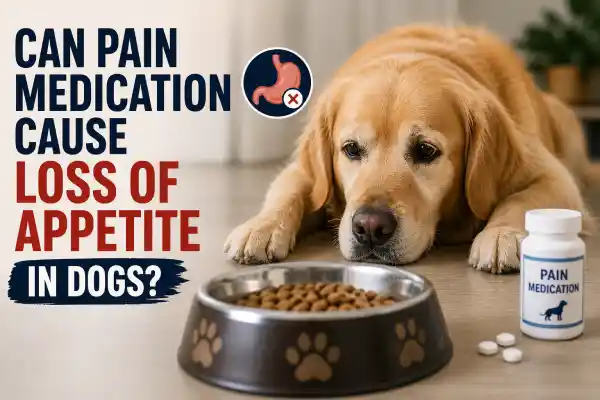
Can Pain Medication Cause Loss of Appetite in Dogs? – Yes, pain medications can cause loss of appetite in dogs. This is a common side effect of drugs like NSAIDs, opioids, and certain nerve pain medications. In most cases, the appetite loss is mild and temporary, but it can sometimes signal a more serious issue such as stomach irritation, liver stress, or medication intolerance.
Why This Matters More Than Owners Think
Many dog owners assume:
👉 “My dog isn’t eating because of pain”
But often:
👉 it’s actually the medication causing it
This is especially important if your dog is on:
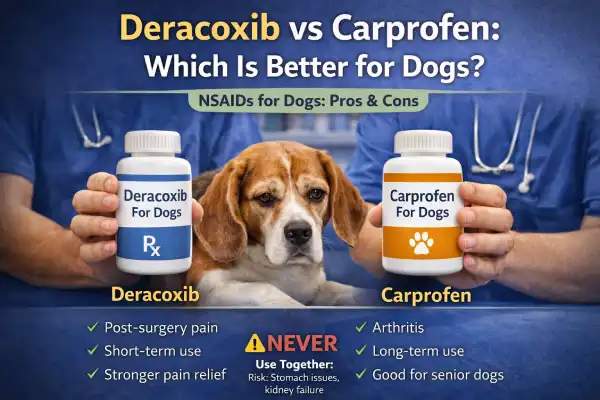
- NSAIDs (like carprofen or meloxicam)
- opioids (like tramadol)
- nerve pain medications (like gabapentin)
Can Pain Medication Cause Loss of Appetite in Dogs
The Hidden Problem: Appetite Loss Is an Early Warning Sign
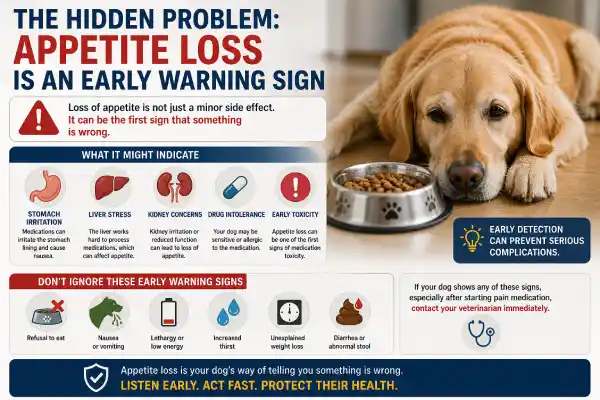
Loss of appetite is not just a minor side effect.
👉 It can be the first sign of something going wrong
What It Might Indicate
- stomach irritation
- nausea
- liver stress
- early toxicity
- incorrect dosage
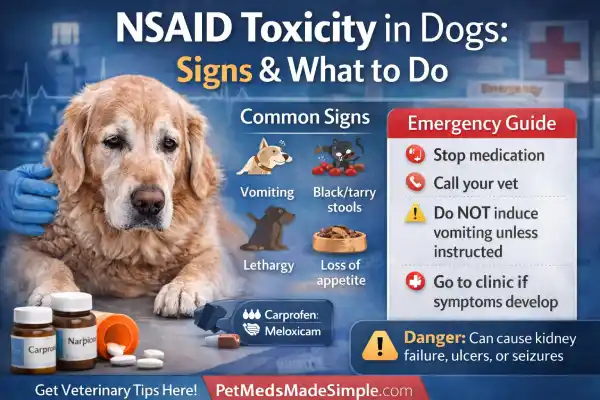
👉 This is closely related to issues discussed in
NSAID Toxicity in Dogs: Signs & What to Do
Why Pain Medications Affect Appetite
1. Gastrointestinal Irritation
NSAIDs can:
- irritate stomach lining
- increase acid production
- reduce protective mucus
👉 Result:
- nausea
- discomfort
- refusal to eat
2. Central Nervous System Effects
Drugs like gabapentin and opioids affect:
👉 brain signaling
This can:
- reduce hunger signals
- cause sedation
- make dogs less interested in food
Learn more here:
👉 Gabapentin for Dogs: Uses, Dosage & Safety Guide
3. Liver Processing Load
Pain medications are metabolized in the liver.
If the liver is stressed:
👉 appetite may drop
4. Taste and Behavioral Changes
Some medications:
- alter taste perception
- cause mild confusion or lethargy
👉 Dog simply doesn’t feel like eating
Which Pain Medications Most Commonly Cause Appetite Loss?
NSAIDs
- carprofen
- meloxicam
- firocoxib
👉 Most common cause of mild appetite loss
Opioids
- tramadol
- codeine
👉 Can cause:
- nausea
- sedation
- appetite suppression
Nerve Pain Medications
- gabapentin
- amantadine
👉 Usually mild but possible
Comparison Table: Appetite Impact by Medication Type
| Medication Type | Appetite Effect | Severity |
|---|---|---|
| NSAIDs | Reduced appetite | Mild–Moderate |
| Opioids | Nausea + loss of appetite | Moderate |
| Gabapentin | Mild decrease | Mild |
| Amantadine | Rare | Very mild |
Normal vs Dangerous Appetite Loss
Normal (Temporary)
- lasts 1–2 days
- dog still drinks water
- energy mostly normal
Concerning
- lasts more than 2–3 days
- vomiting present
- lethargy
- refusal of all food
👉 This may indicate a serious issue
Early Warning Signs You Should NEVER Ignore
- complete food refusal
- vomiting after medication
- black or bloody stool
- excessive drooling
- extreme lethargy
👉 These may signal:
- GI ulcer
- toxicity
- organ stress
Why Some Dogs Are More Sensitive
High-Risk Dogs
- senior dogs
- small breeds
- dogs with liver/kidney disease
- dogs on multiple medications
Lower Risk Dogs
- healthy adults
- large breeds
- short-term medication use
NSAIDs and Appetite Loss
NSAIDs are the most common cause.
How It Happens
- reduce stomach protection
- increase irritation
- cause nausea
👉 Even “safe” drugs can cause this
More here:
👉 Carprofen for Dogs: Uses, Dosage & Side Effects
👉 Is Meloxicam Safe for Dogs?
What Happens If You Ignore It
Ignoring appetite loss can lead to:
- dehydration
- weight loss
- worsening GI damage
- delayed recovery
👉 Early action = better outcome
What To Do If Your Dog Stops Eating
Step 1: Observe Closely
Check:
- energy level
- water intake
- vomiting
Step 2: Do NOT Increase Dose
This is a common mistake.
Step 3: Contact Your Vet
Especially if:
- symptoms last >48 hours
- other symptoms appear
Step 4: Consider Medication Adjustment
Options:
- dose reduction
- switch drug
- add stomach protectant
Advanced Strategy: Protecting Appetite During Treatment
1. Give Medication With Food
Helps reduce irritation.
2. Use Gastroprotectants
Examples:
- omeprazole
- famotidine
3. Add Multimodal Therapy
Instead of increasing NSAID:
👉 combine treatments
Example:
- NSAID + gabapentin
- NSAID + amantadine
👉 See:
Best Pain Medication for Dogs with Arthritis (Comparison Guide)
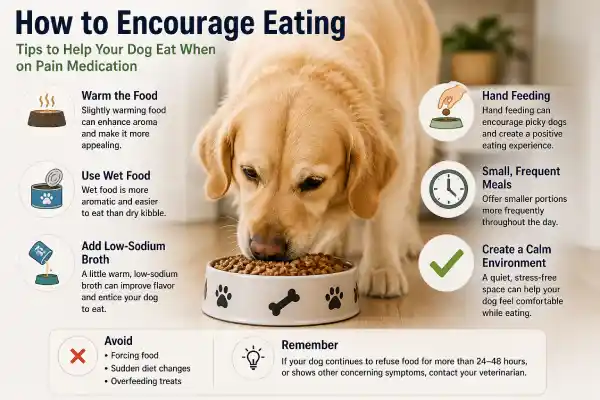
How to Encourage Eating
Safe Tricks
- warm food slightly
- use wet food
- add broth (low sodium)
- hand feeding
Avoid
- forcing food
- sudden diet changes
Vet Perspective
Veterinarians don’t ignore appetite loss.
👉 It’s one of the first indicators of drug intolerance
They ask:
- is this drug appropriate?
- is the dose correct?
- is combination therapy needed?
Common Owner Mistakes
- ignoring appetite changes
- assuming it’s “just picky eating”
- continuing medication unchanged
- not monitoring closely
Summary Table: What Appetite Loss Means
| Symptom | Possible Cause | Action |
|---|---|---|
| Mild appetite loss | GI irritation | Monitor |
| Refusal to eat | Nausea/toxicity | Vet |
| Vomiting + appetite loss | Ulcer risk | Urgent |
| Lethargy + no appetite | Systemic issue | Emergency |
FAQ
Can pain meds make dogs not eat?
Yes, especially NSAIDs and opioids.
How long should appetite loss last?
Usually 1–2 days. Longer = concern.
Should I stop medication?
Only after consulting a vet.
Which meds cause this most?
NSAIDs and tramadol.
Conclusion
Pain medications can absolutely cause loss of appetite in dogs. While often mild, it should never be ignored—because it can be the first sign of a more serious issue.
The key is early recognition, proper monitoring, and adjusting treatment strategies when needed.Can Pain Medication Cause Loss of Appetite in Dogs
Medical Disclaimer
This article is for educational purposes only and does not replace veterinary advice.Can Pain Medication Cause Loss of Appetite in Dogs
Sources
- Plumb’s Veterinary Drug Handbook
- VCA Animal Hospitals
- VIN (Veterinary Information Network)