Quick Answer
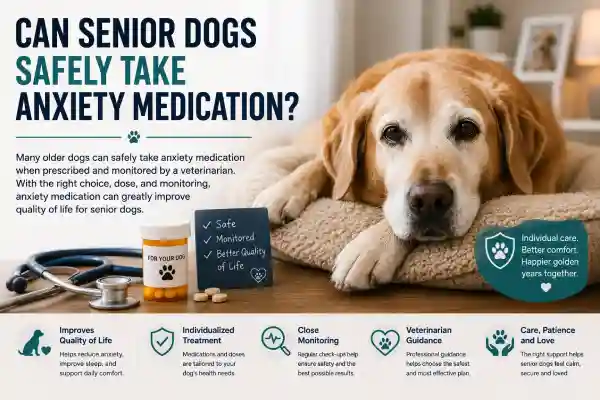
Can senior dogs safely take anxiety medication? In many cases, yes. Senior dogs can safely take anxiety medications when prescribed and monitored by a veterinarian. However, older dogs often have age-related changes involving the liver, kidneys, heart, and brain that may affect how medications work. Because of this, anxiety medications may require lower starting doses, closer monitoring, and individualized treatment plans.
Many older dogs benefit significantly from anxiety treatment, especially when anxiety is affecting their sleep, quality of life, appetite, or overall well-being.
When Owners Commonly Ask This
Owners often ask whether senior dogs can safely take anxiety medication when they notice:
- Increased anxiety at night
- Pacing and restlessness
- Separation anxiety
- Thunderstorm fears
- Cognitive decline
- Increased clinginess
- Excessive barking
- Confusion and disorientation
Many owners become concerned because their dog is already taking medications for arthritis, heart disease, seizures, or other age-related conditions.
Can Senior Dogs Safely Take Anxiety Medication?
Yes, many senior dogs can safely take anxiety medication and often experience significant improvements in quality of life.
The key factor is not age itself.
Instead, veterinarians focus on:
- Overall health
- Existing medical conditions
- Current medications
- Liver function
- Kidney function
- Mobility status
- Cognitive health
A healthy 12-year-old dog may tolerate anxiety medication better than a younger dog with serious medical issues.
Anxiety itself can negatively affect senior dogs. Chronic stress may contribute to poor sleep, reduced appetite, and worsening behavior. If your dog is also experiencing appetite changes, you may find our article on Can Anxiety Medication Affect Appetite in Dogs? helpful.
Can Senior Dogs Safely Take Anxiety Medication?
Why Senior Dogs Require Extra Caution
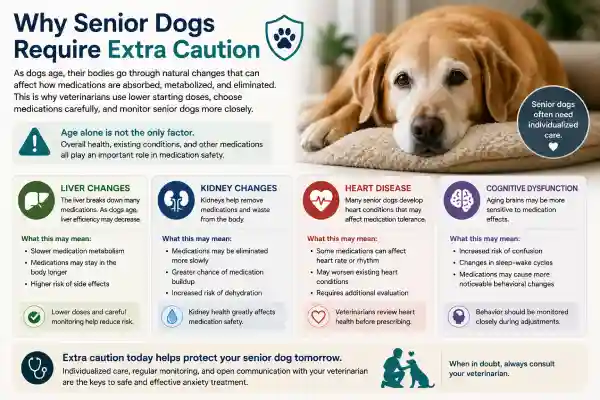
Older dogs process medications differently than younger dogs.
Liver Changes
The liver helps break down many medications.
As dogs age:
- Liver efficiency may decrease
- Drug metabolism may slow
- Medication effects may last longer
This is one reason veterinarians often start with lower doses.
Kidney Changes
The kidneys help remove medications from the body.
Senior dogs may have:
- Reduced kidney function
- Chronic kidney disease
- Slower drug elimination
This may increase the risk of side effects if doses are not adjusted properly.
Heart Disease
Many senior dogs develop heart conditions.
Some anxiety medications may require additional caution in dogs with:
- Heart murmurs
- Congestive heart failure
- Arrhythmias
Veterinarians typically review cardiovascular health before prescribing treatment.
Cognitive Dysfunction Syndrome
Senior dogs can develop canine cognitive dysfunction, sometimes compared to dementia in humans.
Signs include:
- Nighttime pacing
- Confusion
- House-soiling accidents
- Altered sleep cycles
Because cognitive decline and anxiety often occur together, medication plans may require additional adjustments.
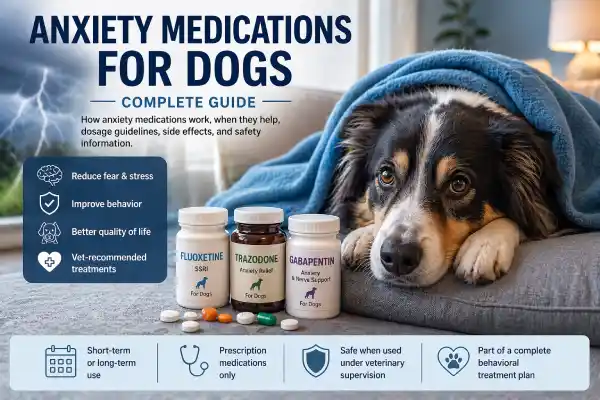
Which Anxiety Medications Are Commonly Used in Senior Dogs?
| Medication | Common Use | Senior Dog Considerations |
|---|---|---|
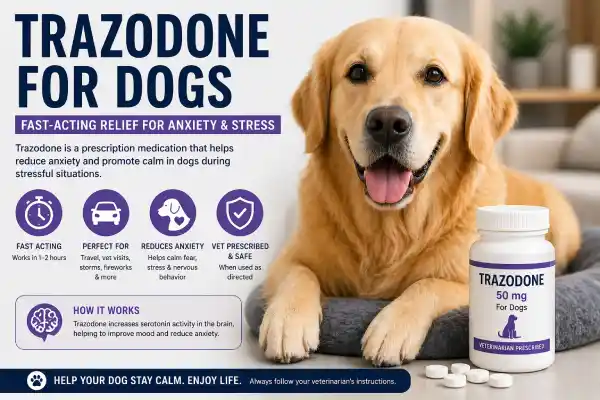
| Trazodone | Situational anxiety | Often well tolerated |
| Gabapentin | Anxiety and pain | Monitor for sedation |
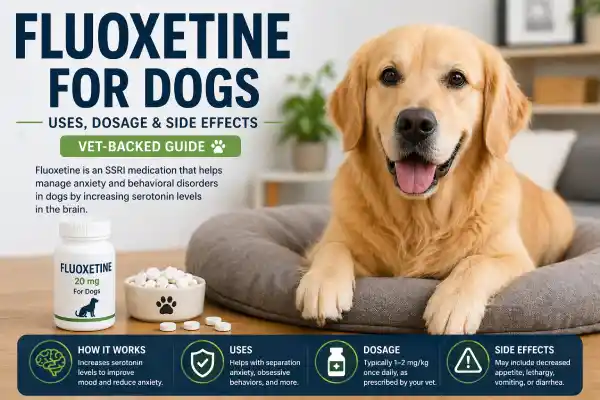
| Fluoxetine | Chronic anxiety | Slower onset of action |
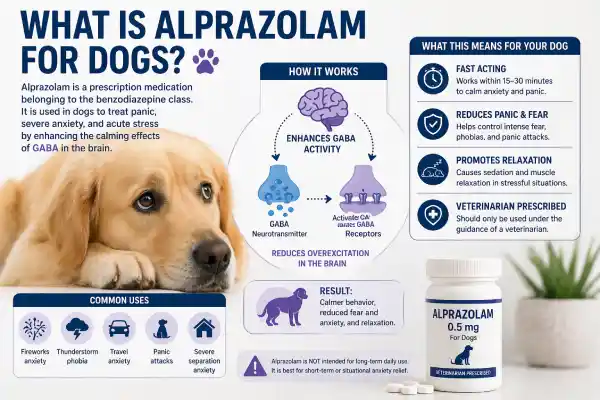
| Alprazolam | Acute anxiety | Increased fall risk |
| Clomipramine | Separation anxiety | Requires careful monitoring |
These medications are commonly prescribed, but the safest choice depends on the individual dog.
Owners comparing treatments may also benefit from reading Is Trazodone or Gabapentin Better for Anxiety in Dogs?
What Side Effects Are More Common in Senior Dogs?
Older dogs may be more sensitive to medication side effects.
Sleepiness
Drowsiness is one of the most common side effects.
Senior dogs may:
- Sleep more
- Seem less active
- Rest for longer periods
If your dog appears excessively sleepy, see Can Anxiety Medication Cause Confusion in Dogs?
Appetite Changes
Some medications may affect appetite.
A dog may:
- Eat less
- Become pickier
- Skip meals
This side effect is usually temporary but should be monitored carefully.
Weakness
Senior dogs are often more susceptible to weakness and coordination changes.
This may be especially noticeable when starting gabapentin.
Related reading: Can Gabapentin Cause Weakness in Dogs?
Confusion
Some older dogs may experience temporary confusion during medication adjustment.
Because senior dogs already have a higher risk of cognitive dysfunction, this symptom deserves attention.
Related reading: Can Anxiety Medication Cause Confusion in Dogs?
Which Senior Dogs May Not Be Good Candidates?
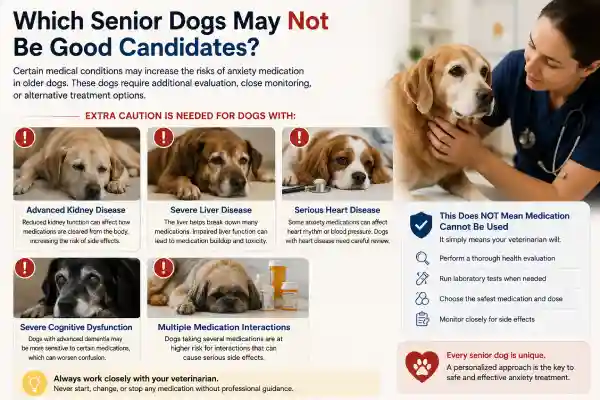
Certain dogs may require additional evaluation before starting treatment.
Examples include dogs with:
- Advanced kidney disease
- Severe liver disease
- Serious heart disease
- Severe cognitive dysfunction
- Multiple medication interactions
This does not necessarily mean medication cannot be used.
It simply means treatment may require closer supervision.
How Veterinarians Evaluate Senior Dogs Before Prescribing Anxiety Medication
Before prescribing medication, veterinarians often assess:
Medical History
Reviewing:
- Existing diseases
- Previous reactions
- Current medications
Blood Work
Testing may evaluate:
- Kidney function
- Liver function
- Electrolytes
- Overall health status
Behavioral Assessment
Veterinarians determine whether symptoms are caused by:
- Anxiety
- Pain
- Cognitive dysfunction
- Underlying disease
Mobility Assessment
Older dogs with arthritis or balance issues may require special consideration.
Can Anxiety Medication Improve Quality of Life in Senior Dogs?
Absolutely.
Many senior dogs experience significant improvements including:
- Better sleep
- Reduced pacing
- Less nighttime anxiety
- Improved appetite
- Increased relaxation
- Better family interactions
Owners often report that their dogs appear happier and more comfortable after successful treatment.
Related Symptoms Owners Often Notice
Senior dogs taking anxiety medication may experience additional changes.
Increased Sleeping
This is often the most noticeable change.
Clinginess
Many owners notice their dog becomes more attached after treatment begins.
Related reading: Why Is My Dog Clingy After Anxiety Medication?
Reduced Appetite
Temporary appetite changes may occur during the adjustment period.
Mild Weakness
Particularly during the first days of treatment.
Changes in Daily Routine
Dogs may:
- Nap more frequently
- Seek more attention
- Become calmer indoors
Improved Relaxation
Many dogs finally appear comfortable after months of chronic anxiety.
Additional related articles:
- Can Dogs Take Melatonin With Anxiety Medication?
- Can Dogs Take CBD With Anxiety Medication?
- Why Does Anxiety Medication Stop Working in Dogs?
- Can Anxiety Medication Make Dogs Aggressive?
- Can Trazodone Make Dogs More Anxious?
When Owners Should Contact Their Veterinarian
Contact your veterinarian if your senior dog develops:
- Severe lethargy
- Persistent refusal to eat
- Vomiting
- Diarrhea
- Tremors
- Collapse
- Extreme weakness
- Severe confusion
- New aggression
These symptoms require professional evaluation.
What Owners Can Do to Improve Medication Safety
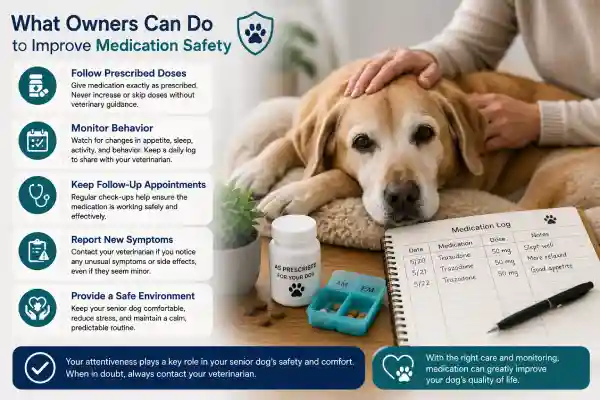
Follow Prescribed Doses
Never increase doses without veterinary guidance.
Monitor Behavior
Track:
- Appetite
- Sleep
- Activity levels
- Side effects
Keep Follow-Up Appointments
Routine monitoring helps identify problems early.
Report New Symptoms
Even seemingly minor changes can help your veterinarian optimize treatment.
Veterinarian Takeaway
Senior dogs can often safely take anxiety medication and may experience substantial improvements in comfort and quality of life. However, age-related changes involving the liver, kidneys, heart, and brain make individualized treatment important. Careful dosing, monitoring, and veterinary oversight help maximize benefits while minimizing risks.
Bottom Line
Can senior dogs safely take anxiety medication? In many cases, yes. Age alone does not prevent dogs from benefiting from anxiety treatment. The safest approach involves individualized medication selection, careful monitoring, and regular veterinary follow-up. For many senior dogs, anxiety medication can dramatically improve sleep, comfort, behavior, and overall quality of life.
Frequently Asked Questions – Can senior dogs safely take anxiety medication?
Can a 12-year-old dog take anxiety medication?
Yes. Many 12-year-old dogs safely take anxiety medications under veterinary supervision.
Is trazodone safe for senior dogs?
Trazodone is commonly prescribed for older dogs and is often well tolerated.
Is gabapentin safe for elderly dogs?
Yes, but sedation and weakness should be monitored closely.
Can anxiety medication worsen dementia in dogs?
Some medications may affect cognition temporarily, which is why monitoring is important.
Are older dogs more sensitive to medication side effects?
Generally yes, which is why lower starting doses are often used.
Can anxiety medication help nighttime pacing?
It can, depending on whether anxiety is contributing to the pacing behavior.
What is the safest anxiety medication for senior dogs?
There is no single safest option. The best medication depends on the dog’s health status and needs.
When should I call the veterinarian about side effects?
Contact your veterinarian if your dog develops severe lethargy, vomiting, weakness, confusion, or appetite loss.
Reviewed By
Pharmacy Reviewed By
Dimitar Atanasov, MPharm
Master Pharmacist | Medication Safety Educator
Dimitar Atanasov is a licensed Master Pharmacist with experience in pharmacology, medication safety, patient education, and veterinary medication research. He reviews educational content to help pet owners better understand medication use, side effects, and safe treatment practices.
Editorial Policy
Pet Meds Made Simple publishes evidence-based educational content developed from veterinary references, pharmacology resources, peer-reviewed literature, and medication safety guidelines. All content is reviewed for accuracy, clarity, and usefulness to pet owners. Articles are intended for educational purposes only and should never replace individualized veterinary care, diagnosis, or treatment recommendations.
Sources
- American Veterinary Medical Association (AVMA)
- American Animal Hospital Association (AAHA)
- Merck Veterinary Manual
- American College of Veterinary Behaviorists (ACVB)
- Plumb’s Veterinary Drug Handbook
- Behavior Problems of the Dog and Cat – Overall KL
- FDA Center for Veterinary Medicine
- Peer-reviewed veterinary behavior and psychopharmacology literature
- Veterinary guidelines on geriatric canine care
- Clinical resources on canine cognitive dysfunction and anxiety management
Medical Disclaimer
This article is for educational purposes only and does not replace professional veterinary advice. Always consult your veterinarian regarding medication side effects, dosage adjustments, behavioral changes, or concerns about your dog’s health. Never stop prescribed medication without veterinary guidance.