
Quick Answer
Can seizure medication change dog personality? Yes, seizure medications can sometimes cause temporary personality or behavior changes in dogs. Depending on the medication, dosage, and the individual dog, owners may notice increased sleepiness, irritability, restlessness, anxiety, clinginess, confusion, reduced interest in play, or, less commonly, aggression. In many cases these changes improve as the dog adjusts to the medication or after the veterinarian modifies the treatment plan. However, sudden or severe personality changes should always be reported to your veterinarian because they may indicate excessive medication effects, uncontrolled seizures, or another underlying medical problem.
Can Seizure Medication Change Dog Personality?
Many owners become frightened when their dog’s behavior changes after starting seizure medication.
A once energetic dog may suddenly seem withdrawn.
A friendly dog may become unusually irritable.
Some dogs appear confused, while others become much calmer than usual.
These changes naturally make owners wonder whether the medication is harming their pet.
The reassuring news is that personality changes are often temporary and manageable, but they should never be ignored.
In some dogs, the medication is responsible.
In others, the seizures themselves—or the brain disease causing them—may be the real explanation.
Understanding the difference is one of the most important parts of managing canine epilepsy.
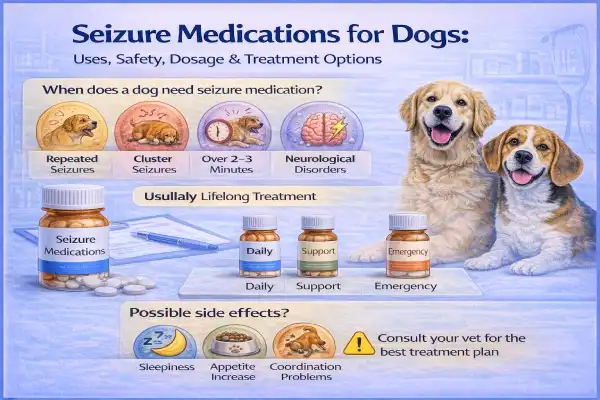
For a complete overview of epilepsy treatment, read our Seizure Medications for Dogs: Complete Safety Guide, which explains the most commonly prescribed anti-seizure medications and how they work.
Can Seizure Medication Change Dog Personality?
Is It Normal for Dogs to Behave Differently After Starting Seizure Medication?
Yes.
Behavior changes are among the more commonly reported concerns during the first days or weeks of seizure treatment.
This does not necessarily mean the medication is dangerous.
The brain needs time to adapt to changes in nerve activity.
Anti-seizure medications reduce excessive electrical activity within the brain. During this adjustment period, some dogs may appear different from their normal selves.
Common temporary changes include:
- Sleeping more than usual
- Reduced excitement
- Less interest in playing
- Mild confusion
- Increased appetite
- Temporary restlessness
- Clinginess
- Reduced confidence in unfamiliar environments
Many of these changes improve gradually as the dog’s nervous system adjusts.
Which Seizure Medications Are Most Likely to Affect Personality?
Several commonly prescribed medications may influence behavior to varying degrees.
| Medication | Possible Personality Changes |
|---|---|
| Phenobarbital | Sleepiness, increased appetite, irritability, temporary confusion |
| Levetiracetam (Keppra) | Mild behavior changes, anxiety, restlessness in some dogs |
| Potassium Bromide | Sedation, reduced activity, slower responses |
| Zonisamide | Sleepiness, occasional behavioral changes |
| Gabapentin (when used for seizures) | Sedation, reduced activity, temporary personality changes |
Fortunately, most dogs tolerate these medications very well once the correct dosage has been established.
Our related guides explain each medication in more detail:
- Phenobarbital for Dogs
- Levetiracetam (Keppra) for Dogs
- Potassium Bromide for Dogs
- Zonisamide for Dogs
- Gabapentin for Dogs
Why Can Seizure Medication Affect Behavior?
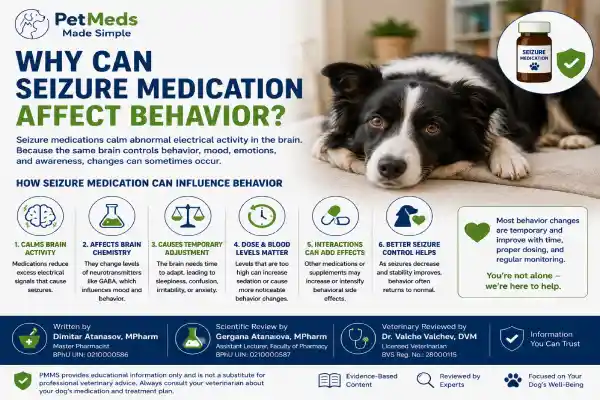
The answer lies in how these medications work.
Seizure medications intentionally decrease abnormal electrical activity inside the brain.
Because the same brain controls personality, emotions, learning, movement, and awareness, it is not surprising that temporary behavioral changes may occur.
Most medications do not change a dog’s true personality.
Instead, they alter brain activity enough that the dog’s normal behavior temporarily appears different.
For example:
- A sleepy dog may seem depressed.
- A confused dog may seem anxious.
- A painful dog whose seizures are controlled may suddenly appear happier.
- A heavily sedated dog may seem emotionally distant.
These observations can be alarming, but they do not always represent permanent personality changes.
Could the Seizures Themselves Be Causing Personality Changes?
Absolutely.
This is one of the most overlooked possibilities.
Owners often blame the medication because behavior changes begin after treatment starts.
However, epilepsy itself can affect behavior.
Dogs experiencing frequent seizures may develop temporary behavioral changes both before and after seizure episodes.
Some dogs experience:
- Restlessness
- Anxiety
- Pacing
- Clinginess
- Confusion
- Disorientation
- Temporary blindness
- Increased vocalization
These changes may occur during the postictal phase, which is the recovery period after a seizure.
Our article Why Is My Dog Still Having Seizures on Medication? explains why seizures may continue despite treatment and how ongoing seizure activity can influence behavior.
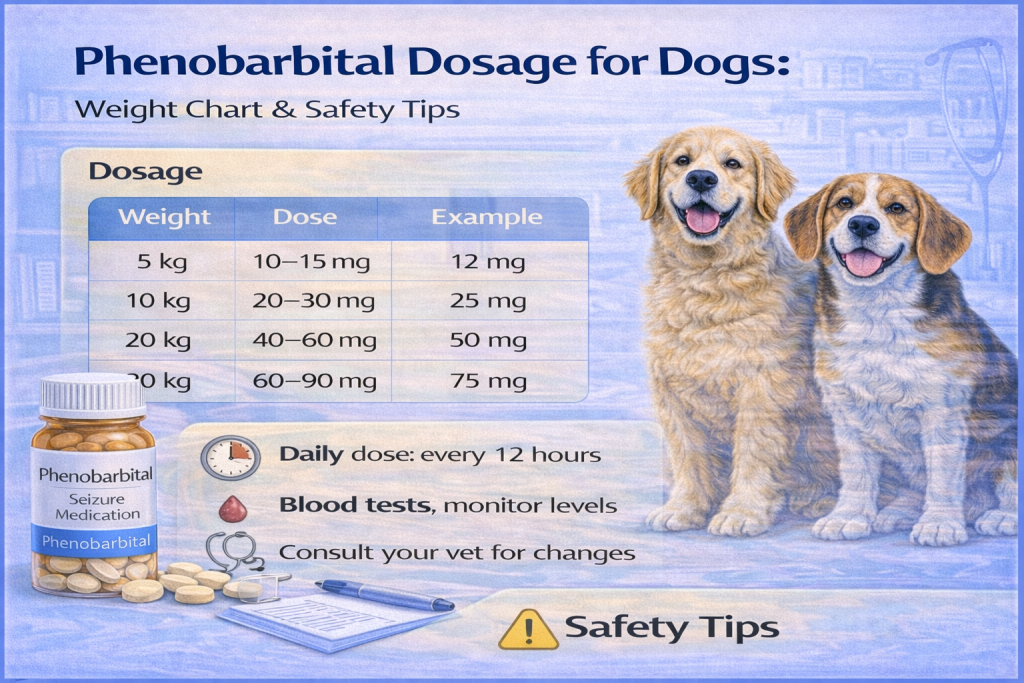
Can Phenobarbital Change a Dog’s Personality?
Phenobarbital is one of the oldest and most effective anti-seizure medications used in veterinary medicine.
It is also one of the medications most commonly associated with temporary behavior changes during the first few weeks of treatment.
Owners frequently report:
- Excessive sleeping
- Increased hunger
- Less interest in exercise
- Mild confusion
- Reduced responsiveness
- Temporary irritability
Fortunately, many of these effects improve as the dog’s body adapts.
Regular blood testing also helps veterinarians ensure phenobarbital levels remain within the therapeutic range.
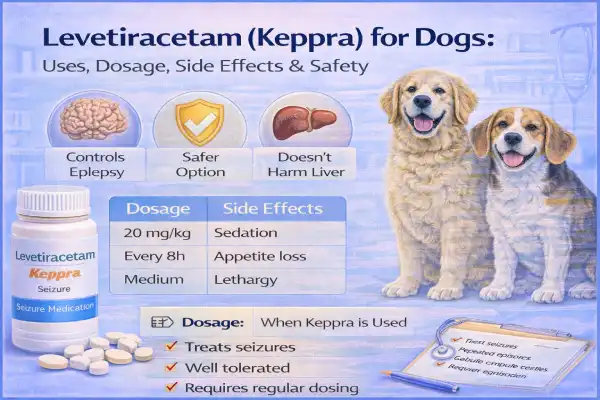
Can Keppra (Levetiracetam) Cause Behavior Changes?
Yes, although most dogs tolerate Keppra extremely well.
Compared with phenobarbital, levetiracetam generally produces fewer sedative effects.
However, a small percentage of dogs may develop:
- Increased anxiety
- Hyperactivity
- Restlessness
- Mild agitation
- Temporary personality changes
These reactions are usually uncommon and should always be discussed with your veterinarian.
Our detailed article Levetiracetam (Keppra) for Dogs explains these potential side effects and when dosage adjustments may be appropriate.
Can Potassium Bromide Make Dogs Seem Different?

Yes.
Potassium bromide works differently from most seizure medications and often requires several weeks—or even months—to reach stable blood concentrations.
During this adjustment period, some dogs appear:
- Sleepier than normal
- Less playful
- Slower to respond
- Less enthusiastic
- More relaxed than usual
These changes often improve once blood levels stabilize and the correct maintenance dose has been established.
When Owners Commonly Ask This
Owners commonly search Can Seizure Medication Change Dog Personality? after noticing situations like:
- “My dog isn’t acting like himself after starting seizure medication.”
- “My dog seems depressed since beginning phenobarbital.”
- “My dog became clingy after Keppra.”
- “My dog sleeps all day after starting seizure medicine.”
- “My dog’s behavior completely changed after epilepsy treatment.”
- “Is my dog’s personality permanently changing?”
These concerns are understandable, and while many behavior changes are temporary, they should always be discussed with your veterinarian—especially if they are severe, sudden, or continue to worsen.
Can Dogs Become Aggressive on Seizure Medication?
Aggression is one of the most frightening personality changes owners can witness.
Fortunately, it is uncommon.
Most seizure medications do not directly cause aggression. However, a small number of dogs may become irritable or reactive while adjusting to treatment.
Possible reasons include:
- Temporary confusion
- Fear caused by disorientation
- Frustration from reduced coordination
- Underlying brain disease
- Post-seizure recovery (postictal phase)
- Medication dosage that is too high
Owners sometimes mistake fear or confusion for aggression.
For example, a dog that suddenly snaps when touched may actually be startled because it feels disoriented rather than intentionally aggressive.
If aggressive behavior appears suddenly, especially in a dog that has never shown aggression before, contact your veterinarian promptly.
Can Seizure Medication Cause Anxiety?
Yes.
Although seizure medications are designed to calm abnormal brain activity, individual dogs sometimes respond differently.
Some owners notice that their dog becomes:
- Restless
- More vocal
- Easily startled
- Clingy
- Unable to settle
- Pacing around the house
This is reported more commonly with certain medications, including levetiracetam (Keppra), although it remains relatively uncommon.
It is also important to remember that anxiety may occur because of epilepsy itself rather than the medication.
Our related article Can Anxiety Medication Cause Personality Changes? explains how medications affecting the nervous system can sometimes influence behavior.
Can Dogs Become Depressed After Starting Seizure Medication?
Owners often describe their dog as looking “depressed.”
In reality, true clinical depression is difficult to diagnose in dogs.
What owners usually observe includes:
- Sleeping more
- Less interest in toys
- Reduced enthusiasm
- Slower movement
- Less excitement during walks
- Decreased interaction with family members
These changes are usually the result of temporary sedation rather than emotional depression.
As the body adapts to treatment, many dogs gradually regain their normal energy levels.
Could My Dog Become More Clingy?

Yes.
Some dogs become noticeably more attached to their owners after starting seizure medication.
Owners frequently report that their dog:
- Follows them constantly
- Wants more physical contact
- Sleeps closer than usual
- Becomes anxious when left alone
- Seeks reassurance more often
This behavior may result from:
- Mild confusion
- Feeling vulnerable
- Recovery after seizures
- Changes in awareness caused by medication
Interestingly, some dogs become less clingy once seizure control improves because they simply feel better overall.
Can Personality Changes Be Temporary?
In most cases, yes.
This is one of the most reassuring facts owners should know.
Many behavior changes appear during the first one to three weeks after starting treatment or increasing the dosage.
As the brain adapts, these effects often become much less noticeable.
Temporary changes commonly include:
- Sleepiness
- Mild confusion
- Reduced activity
- Increased appetite
- Less interest in play
- Mild anxiety
Veterinarians often recommend giving the medication adequate time to stabilize before deciding whether adjustments are necessary.
Can High Medication Levels Affect Personality?
Absolutely.
Blood concentrations that become too high may produce more noticeable side effects.
Signs that medication levels could be excessive include:
- Extreme sleepiness
- Difficulty standing
- Severe wobbliness
- Confusion
- Poor coordination
- Marked personality changes
- Reduced responsiveness
For medications such as phenobarbital and potassium bromide, periodic blood tests help determine whether the concentration remains within the therapeutic range.
These monitoring appointments are an important part of long-term epilepsy management.
Can Medication Interactions Make Behavior Worse?
Yes.
Many dogs receiving seizure medication are also prescribed additional medications for unrelated health conditions.
Examples include:
- Pain medications
- Antibiotics
- Anxiety medications
- Corticosteroids
- Sedatives
- Heart medications
Certain combinations may increase sedation or alter behavior.
Always tell your veterinarian about:
- Prescription medications
- Over-the-counter products
- Herbal supplements
- CBD products
- Vitamins and nutritional supplements
This helps reduce the risk of drug interactions.
Our guide Can Dogs Take Seizure Medication With Other Medications? explains why medication interactions should always be reviewed before adding a new treatment.
Are Senior Dogs More Likely to Experience Personality Changes?
Yes.
Older dogs are generally more sensitive to medications because aging affects how drugs are absorbed, distributed, metabolized, and eliminated.
Senior dogs may experience:
- Longer-lasting sedation
- Slower recovery after each dose
- Increased confusion
- Reduced activity
- More noticeable personality changes
Many senior dogs also have additional conditions such as arthritis, kidney disease, liver disease, or cognitive dysfunction syndrome, which can make it difficult to determine whether the medication or another illness is responsible.
Regular veterinary examinations become increasingly important as dogs age.
Could Brain Disease Be Responsible Instead of the Medication?
Absolutely.
Not every seizure is caused by idiopathic epilepsy.
Some dogs develop seizures because of:
- Brain tumors
- Inflammatory brain disease
- Previous head trauma
- Stroke
- Congenital abnormalities
- Infectious diseases
These conditions may themselves alter personality.
In these situations, seizure medication is treating the symptom rather than the underlying disease.
If personality changes continue worsening despite stable medication doses and good seizure control, your veterinarian may recommend advanced diagnostics such as MRI or cerebrospinal fluid analysis.
When Should Owners Contact Their Veterinarian?
Although mild personality changes are often expected during treatment, certain signs should never be ignored.
Contact your veterinarian if your dog:
- Suddenly becomes aggressive
- Appears extremely confused
- Cannot stand normally
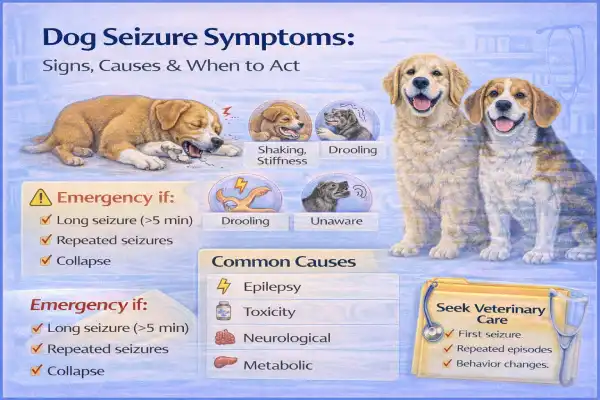
- Has repeated seizures
- Develops severe weakness
- Stops eating or drinking
- Shows continuous pacing or panic
- Becomes difficult to wake
- Experiences a dramatic change in behavior that continues to worsen
Prompt evaluation helps determine whether the medication, dosage, or underlying neurological condition requires adjustment.
Related Symptoms Owners Often Notice
Owners searching Can Seizure Medication Change Dog Personality? also frequently ask about:
- Why Is My Dog Still Having Seizures on Medication?
- Could a Missed Dose Cause Another Seizure?
- Can Diet Influence Seizure Control?
- What Is Status Epilepticus?
- Levetiracetam (Keppra) for Dogs
- Phenobarbital for Dogs
- Potassium Bromide for Dogs
- Zonisamide for Dogs
- Seizure Medications for Dogs: Complete Safety Guide
Understanding these related topics provides a more complete picture of epilepsy management and helps owners recognize which changes are expected and which require veterinary attention.
Can Personality Changes Become Permanent?
In most dogs, no.
One of the first questions owners ask is whether seizure medication will permanently change their dog’s personality.
Fortunately, permanent personality changes caused solely by anti-seizure medication are uncommon.
Most behavioral changes improve when:
- The dog’s body adjusts to the medication.
- The dosage is optimized.
- Seizures become better controlled.
- Other medical problems are identified and treated.
If personality changes continue for weeks or months despite stable medication levels, your veterinarian may investigate whether another neurological or medical condition is contributing.
How Long Does It Take Dogs to Adjust to Seizure Medication?

Every dog responds differently.
Some dogs adapt within just a few days, while others may require several weeks before side effects improve.
The adjustment period depends on several factors:
- The medication prescribed
- Starting dose
- Number of seizure medications used
- The dog’s age
- Liver and kidney function
- Frequency of seizures
In general, owners should expect the first few weeks to involve the greatest amount of adjustment.
During this period, keeping a daily journal of your dog’s behavior can be extremely helpful.
Keeping a Behavior Journal
Many veterinarians recommend recording changes after starting seizure medication.
Tracking behavior helps determine whether your dog is improving or whether medication adjustments may be necessary.
A simple journal can include:
| Daily Observation | Record |
|---|---|
| Appetite | Normal / Reduced / Increased |
| Energy level | Normal / Low / High |
| Personality | Normal / Different |
| Sleep | Hours per day |
| Seizures | Number and duration |
| Medication time | Morning / Evening |
| Side effects | Any unusual behaviors |
Bringing this information to follow-up appointments often makes treatment decisions much easier.
Can the Dose Be Adjusted if Personality Changes Are Severe?
Yes.
One advantage of long-term epilepsy management is that treatment plans can often be adjusted.
Depending on your dog’s response, your veterinarian may consider:
- Reducing the dosage
- Dividing doses differently
- Gradually introducing another anti-seizure medication
- Monitoring blood drug concentrations
- Investigating other medical conditions
- Adjusting medications that may be interacting
Owners should never reduce seizure medication on their own.
Suddenly lowering or stopping medication can trigger additional seizures and may even lead to life-threatening complications such as status epilepticus.
Our article What Is Status Epilepticus? explains why uninterrupted seizure control is so important.
Can Lifestyle Changes Help?
Sometimes.
Although lifestyle changes cannot replace medication, they may improve your dog’s overall well-being during treatment.
Helpful strategies include:
- Maintaining a consistent daily routine
- Feeding meals at regular times
- Avoiding sudden medication changes
- Reducing stressful situations
- Providing gentle daily exercise when appropriate
- Ensuring adequate sleep
- Keeping seizure medications on a consistent schedule
A predictable environment often helps dogs recovering from neurological disease feel more secure.
Can Dogs Still Live Happy Lives on Seizure Medication?

Absolutely.
This is perhaps the most encouraging message for owners.
Many dogs receiving seizure medication continue to enjoy:
- Daily walks
- Playing with family
- Training sessions
- Traveling
- Social interaction
- Excellent quality of life
Successful treatment focuses on balancing seizure control with minimizing medication side effects.
In many dogs, that balance is achieved through careful monitoring and regular communication with the veterinarian.
Prognosis
The outlook for dogs experiencing mild personality changes after starting seizure medication is generally very good.
| Situation | Typical Outlook |
|---|---|
| Mild sleepiness | Usually improves within days to weeks |
| Temporary personality changes | Often improve as the dog adapts |
| Dose-related side effects | Frequently improve after dosage adjustment |
| Drug interactions | Usually improve once identified and managed |
| Underlying neurological disease | Depends on the specific diagnosis |
Most dogs receiving appropriate epilepsy treatment enjoy a good quality of life for many years.
Veterinarian Takeaway
Can seizure medication change dog personality? Yes, temporary personality or behavior changes can occur, particularly during the first few weeks of treatment or after dosage adjustments. Most dogs experience mild effects such as sleepiness, reduced activity, increased appetite, or temporary changes in behavior that improve as the brain adapts to the medication.
However, severe aggression, persistent confusion, repeated seizures, difficulty walking, or dramatic behavioral changes should never be considered normal. These signs warrant prompt veterinary evaluation to determine whether medication adjustments, blood level monitoring, or additional diagnostic testing are needed.
Regular follow-up appointments, careful observation at home, and open communication with your veterinarian are the best ways to achieve effective seizure control while maintaining your dog’s quality of life.
Bottom Line
If you’ve been wondering Can Seizure Medication Change Dog Personality?, the answer is yes—but in most cases, the changes are temporary rather than permanent.
Anti-seizure medications work by altering electrical activity within the brain, and some dogs need time to adjust. Mild sleepiness, reduced activity, increased appetite, or temporary behavioral changes are relatively common early in treatment.
Fortunately, most dogs adapt well over time. With appropriate medication monitoring, routine veterinary check-ups, and individualized treatment plans, many dogs with epilepsy continue to live active, happy, and fulfilling lives.
Frequently Asked Questions – Can Seizure Medication Change Dog Personality
Can seizure medication permanently change my dog’s personality?
Permanent personality changes caused solely by seizure medication are uncommon. Most behavioral changes improve as the dog adapts or after the veterinarian adjusts the treatment plan.
Which seizure medication is most likely to affect behavior?
Phenobarbital is commonly associated with temporary sleepiness and behavioral changes, while potassium bromide, levetiracetam (Keppra), and zonisamide may also affect some dogs. Individual responses vary considerably.
Can Keppra make dogs anxious?
Most dogs tolerate Keppra well, but a small percentage may develop restlessness, anxiety, or temporary behavioral changes.
Why does my dog seem depressed after starting seizure medication?
Many owners describe sedation as depression. Dogs often sleep more and appear quieter while adjusting to treatment, but this usually improves over time.
Should I stop seizure medication if my dog’s personality changes?
No. Never stop anti-seizure medication without veterinary guidance because sudden discontinuation may trigger additional seizures.
Can seizures themselves change personality?
Yes. Epilepsy, brain disease, and the postictal recovery period can all influence behavior independently of medication
How long do side effects usually last?
Many dogs improve within several days to a few weeks, although the timeline depends on the medication, dosage, and individual response.
Can blood tests help?
Yes. Blood monitoring is recommended for medications such as phenobarbital and potassium bromide to ensure therapeutic levels and reduce side effects.
Can senior dogs experience stronger side effects?
Yes. Older dogs often process medications more slowly and may experience more noticeable sedation or behavioral changes.
When should I contact my veterinarian?
Seek veterinary advice if your dog develops severe aggression, repeated seizures, extreme lethargy, inability to stand, persistent confusion, or any sudden worsening of behavior.
Sources
- Plumb’s Veterinary Drug Handbook (10th Edition)
- Merck Veterinary Manual – Epilepsy in Small Animals
- BSAVA Small Animal Formulary (11th Edition)
- Veterinary Pharmacology and Therapeutics (10th Edition)
- Small Animal Clinical Pharmacology
- American College of Veterinary Internal Medicine (ACVIM) Consensus Statement on Seizure Management
- Journal of Veterinary Internal Medicine (JVIM)
- Frontiers in Veterinary Science
- Veterinary Information Network (VIN)
- Journal of the American Veterinary Medical Association (JAVMA)
Medical Review Statement
This article was pharmacy-reviewed by Dimitar Georgiev Atanasov, MPharm (Bulgarian Pharmaceutical Union, UIN: 0210000586), scientifically reviewed by Gergana Krasimirova Atanasova, MPharm (Bulgarian Pharmaceutical Union, UIN: 0210000587), and independently veterinary-reviewed by Dr. Valcho Georgiev Valchev, DVM (Bulgarian Veterinary Union, Registration No. 28000115) to ensure medical accuracy, medication safety, and consistency with current veterinary guidelines and evidence-based veterinary medicine.
Important Medical Disclaimer
The information provided on PetMedsMadeSimple.com is intended for educational purposes only and should not replace professional veterinary advice, diagnosis, or treatment.
Never start, stop, or adjust seizure medication without consulting your veterinarian. Dogs with epilepsy require individualized treatment plans, and abrupt medication changes may lead to breakthrough seizures or life-threatening complications. If your dog experiences repeated seizures, severe behavioral changes, collapse, difficulty breathing, or prolonged confusion, seek immediate veterinary care.
Image Disclosure – Can Seizure Medication Change Dog Personality?
Some images used in this article may be AI-generated or AI-assisted for educational purposes. Every article is independently researched, pharmacy-reviewed by Dimitar Georgiev Atanasov, MPharm, scientifically reviewed by Gergana Krasimirova Atanasova, MPharm, and veterinary-reviewed by Dr. Valcho Georgiev Valchev, DVM. AI-generated illustrations are intended to improve understanding of veterinary conditions and medications and do not depict actual clinical patients.