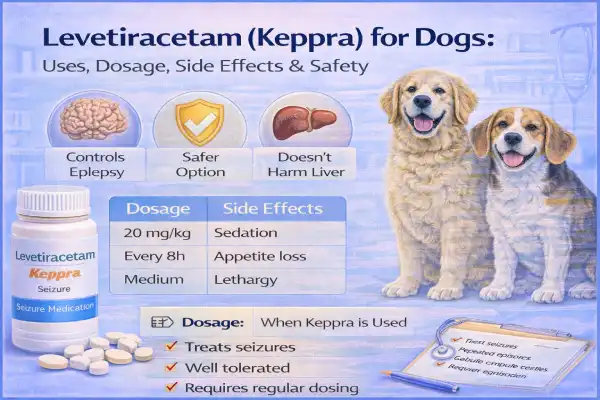
Levetiracetam (Keppra) for Dogs is a seizure medication used in dogs to control epilepsy and neurological conditions. It works by stabilizing brain activity and reducing abnormal electrical signals.
👉 It is:
- Effective
- Fast-acting
- Generally well tolerated
👉 Often used:
- Alone
- Or with other medications
What Is Levetiracetam (Keppra) for Dogs?
Levetiracetam is an antiepileptic drug used to:
- Control seizures
- Reduce seizure frequency
- Support long-term seizure management
👉 Compared to older medications:
- Fewer side effects
- Safer long-term profile
Levetiracetam (Keppra) for Dogs
When Is Keppra Used in Dogs?
Veterinarians prescribe it when:
- Seizures are frequent
- Phenobarbital alone is not enough
- Dogs cannot tolerate other medications
👉 Learn more:
Table 1: When Levetiracetam (Keppra) Is Used
| Situation | Use |
|---|---|
| Mild seizures | Yes |
| Add-on therapy | Very common |
| Phenobarbital intolerance | Yes |
| Chronic epilepsy | Yes |
How Does Keppra Work?
Levetiracetam works by:
- Stabilizing nerve signals
- Reducing abnormal brain activity
- Preventing seizure spread
👉 Result:
- Fewer seizures
- Less severe episodes
Levetiracetam Dosage for Dogs
👉 Typical dosage:
- 20 mg/kg every 8 hours
👉 Extended-release:
- Every 12 hours
Table 2: Dosage Overview
👉 Read more:
| Dog Size | Typical Dose | Frequency |
|---|---|---|
| Small dogs | 20 mg/kg | Every 8h |
| Medium dogs | 20 mg/kg | Every 8h |
| Extended-release | Adjusted | Every 12h |
Pro Tip

👉 Keppra must be given consistently — missing doses can trigger seizures.
How Fast Does Levetiracetam (Keppra) Work?
- Starts working quickly
- Improvement within 24–48 hours
👉 No long buildup required (unlike some drugs)
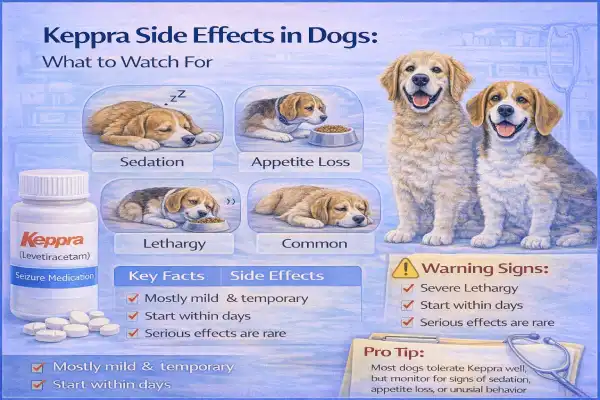
Side Effects of Keppra in Dogs
Common Side Effects
- Mild sedation
- Loss of appetite
- Slight lethargy
👉 Usually:
- Temporary
- Mild
Table 3: Common Side Effects
| Side Effect | Frequency |
|---|---|
| Sedation | Mild |
| Appetite loss | Occasional |
| Lethargy | Mild |
Moderate Side Effects
- Coordination issues
- Behavioral changes
Serious Side Effects (RARE)
- Severe lethargy
- Unusual behavior
👉 Learn more:
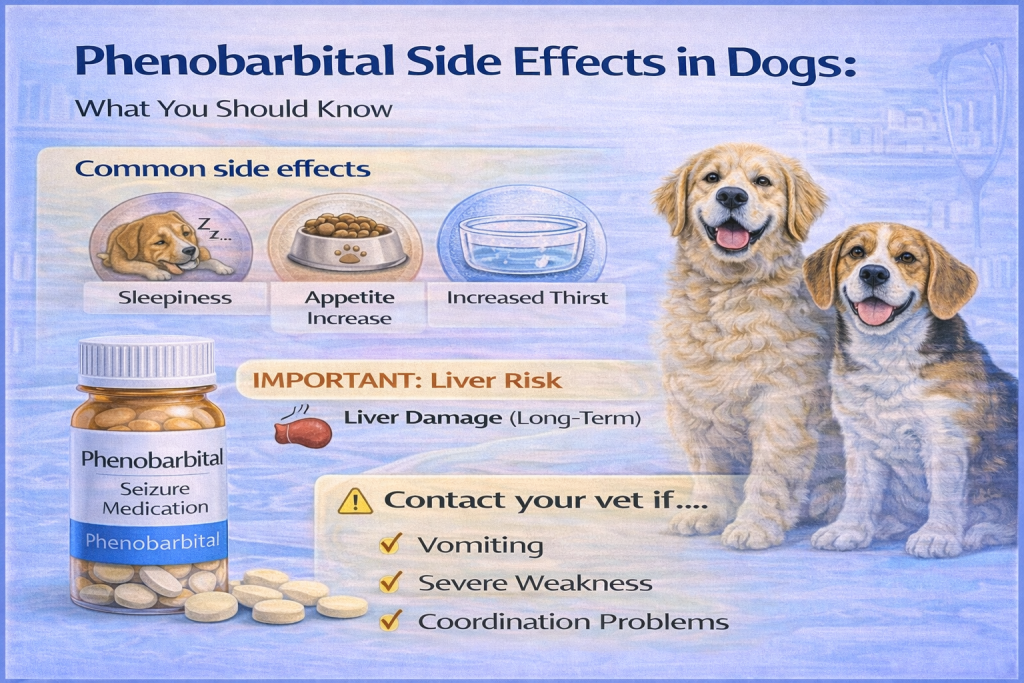
Phenobarbital can cause side effects in dogs
Why Keppra Is Considered Safer
👉 Compared to:
- Phenobarbital → less liver risk
- Older drugs → fewer long-term complications
👉 Learn more:
Keppra vs Gabapentin
👉 Compared to:
- Gabapentin
👉 Differences:
- Keppra → stronger seizure control
- Gabapentin → supportive role
👉 Learn more:
Table 4: Comparison
| Medication | Strength | Use |
|---|---|---|
| Keppra | High | Seizures |
| Gabapentin | Moderate | Support |
When Is Keppra Used with Other Medications?
👉 Very common
Used with:
- Phenobarbital
- Other seizure medications
👉 For better control
What Happens If You Miss a Dose?
👉 Risk:
- Breakthrough seizure
👉 Action:
- Give as soon as possible
- Contact vet if unsure
Long-Term Use of Keppra
👉 Generally safe
👉 Advantages:
- No major liver damage risk
- Well tolerated
👉 However:
- Requires consistency
What Increases Side Effect Risk?
- High dose
- Missed doses
- Combination therapy

How to Give Keppra Safely
✔️ Give on schedule
✔️ Do not skip doses
✔️ Monitor behavior
✔️ Follow vet instructions
When to Worry
👉 Contact your vet if:
- Severe lethargy
- Behavior changes
- Loss of appetite
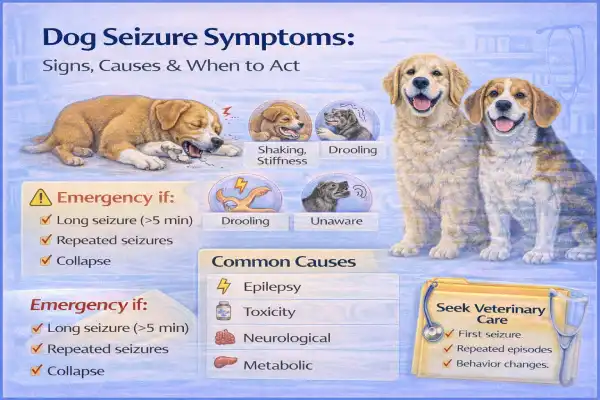
👉 Emergency if:
- Continuous seizures
- Collapse
Why This Matters
Keppra is one of the safest seizure medications available.
👉 Proper use:
- Improves quality of life
- Reduces seizure frequency
- Minimizes risks
FAQ – Levetiracetam (Keppra) for Dogs
Is Keppra safe for dogs?
Yes, very safe.
How fast does it work?
Within 24–48 hours.
Can it be used long-term?
Yes.
Does it affect the liver?
No significant effect.
Can it be combined with other meds?
Yes, very commonly.
Medical Disclaimer
This article is for informational purposes only and does not replace veterinary advice.