Dimitar Georgiev Atanasov

I hold a Master's degree in Pharmacy and have worked as a pharmacist for over 10 years, helping people manage their health through safe and effective medication use. Four years ago, my own dog faced serious health challenges that changed everything. Watching him struggle sparked a deep personal interest in how drugs affect animals, and I began studying veterinary pharmacology, pharmacokinetics in pets, and animal-specific drug responses on my own. What started as research to help my furry companion grew into a passion for bridging human pharmacy knowledge with animal care. Today, I run this blog to share practical, evidence-based information with other pet owners and animal lovers. My goal is to help people better understand medications for their pets, make informed decisions alongside their veterinarians, and improve the quality of life for animals facing health issues—just like I did for my dog. Whether you're dealing with a chronic condition, curious about side effects, or looking for reliable advice, I'm here to provide clear, trustworthy insights drawn from my pharmacy expertise and real-world experience with pet health.

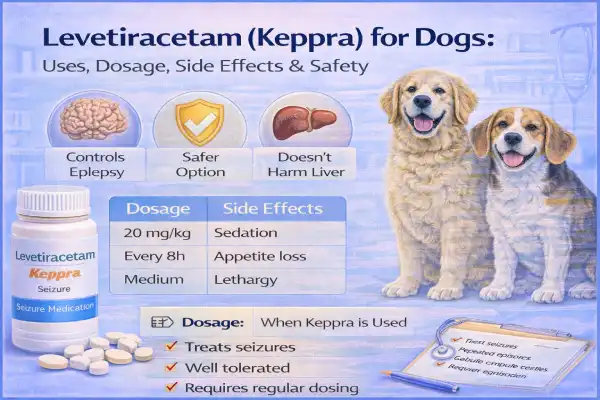
Levetiracetam (Keppra) for Dogs

Levetiracetam (Keppra) for Dogs: Uses, Dosage, Side Effects & Safety (Vet-Backed Guide)

Levetiracetam (Keppra) is a widely used seizure medication for dogs that helps control epilepsy with fewer side effects than many traditional drugs. It works quickly, is generally well tolerated, and is often used alone or alongside other treatments. Understanding its dosage, uses, and safety can help ensure effective seizure management and improve your dog’s quality of life.

Levetiracetam (Keppra) for Dogs: Uses, Dosage, Side Effects & Safety (Vet-Backed Guide) Read More »
Dog Seizure Symptoms

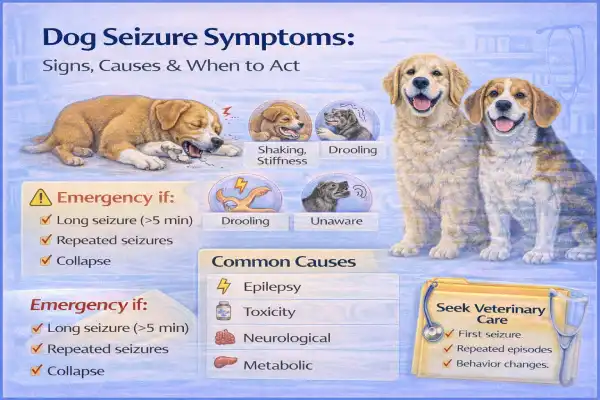
Dog Seizure Symptoms: Signs, Causes & When to Act (Vet-Backed Guide)

Dog seizure symptoms can include shaking, stiffness, drooling, loss of awareness, and sudden behavioral changes. While some seizures are brief and manageable, others can signal serious health issues. Recognizing early warning signs and knowing when to act can help protect your dog’s health and ensure timely veterinary care.

Dog Seizure Symptoms: Signs, Causes & When to Act (Vet-Backed Guide) Read More »

Phenobarbital Dosage for Dogs

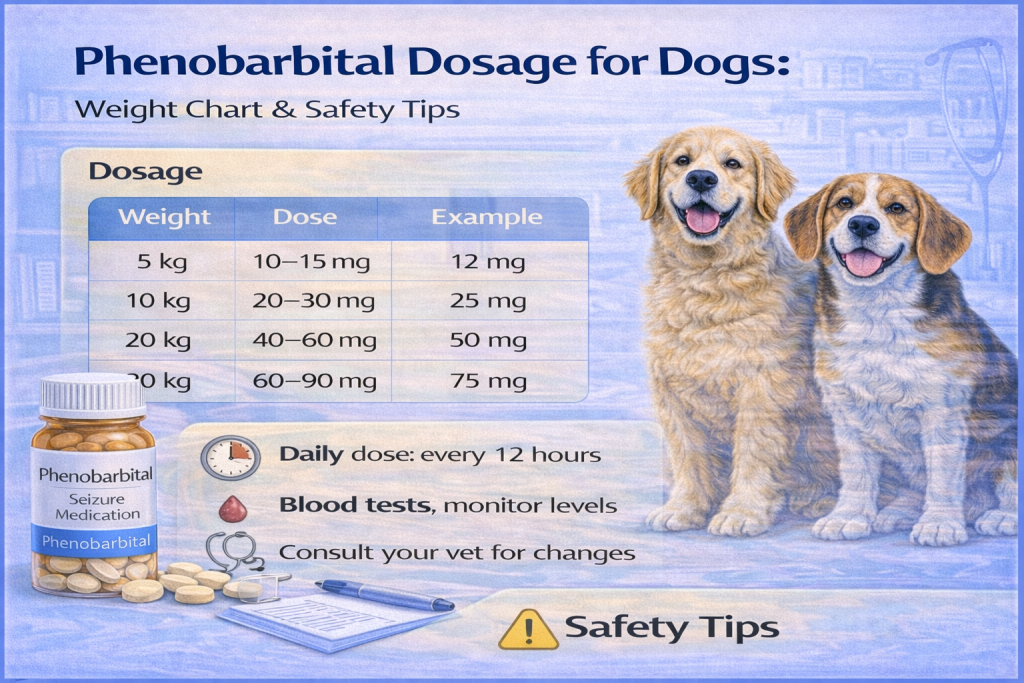
Phenobarbital Dosage for Dogs: Vet Guidelines, Weight Chart & Safety Tips

Phenobarbital Dosage for Dogs The typical dosage of Phenobarbital for dogs is 2–3 mg per kg of body weight, given every 12 hours. 👉 The exact dose depends on: ⚠️ Dosage must always be adjusted by a veterinarian to ensure safety and effectiveness. What Is the Correct Phenobarbital Dosage for Dogs? Phenobarbital is dosed based

Phenobarbital Dosage for Dogs: Vet Guidelines, Weight Chart & Safety Tips Read More »

Phenobarbital Side Effects in Dogsr dogs, gabapentin vs phenobarbital

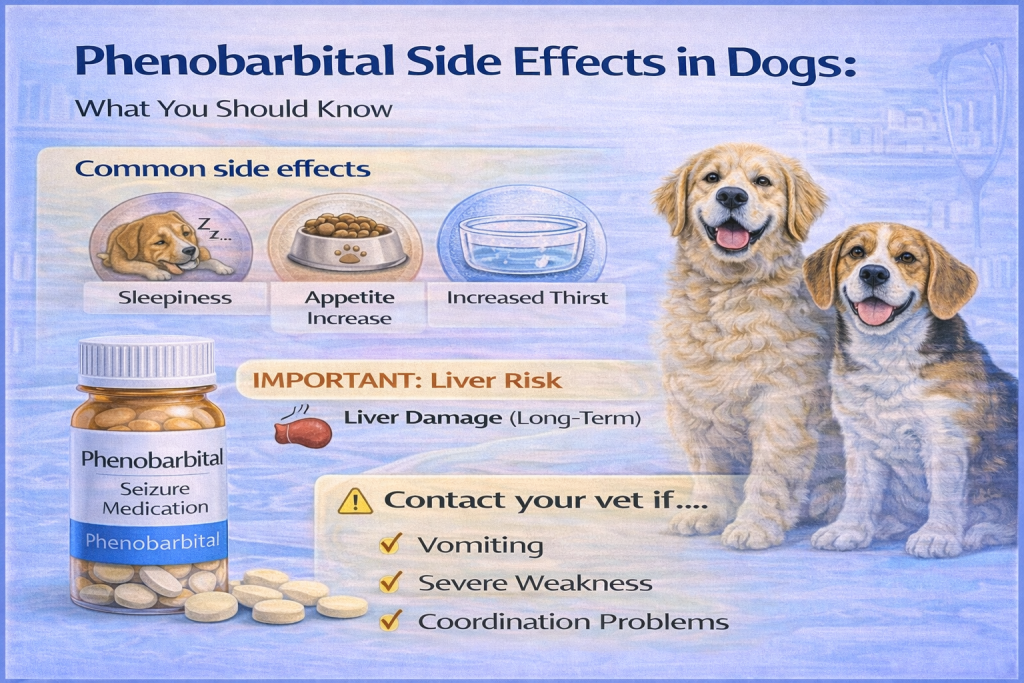
Phenobarbital Side Effects in Dogs: What to Watch For (Vet-Backed Guide)

Phenobarbital is one of the most effective seizure medications for dogs, but it can cause side effects such as sedation, increased appetite, and thirst. While most reactions are mild and temporary, long-term use may impact liver health, making regular monitoring essential for safe and effective treatment.

Phenobarbital Side Effects in Dogs: What to Watch For (Vet-Backed Guide) Read More »

Phenobarbital for Dogs

Phenobarbital for Dogs: Uses, Dosage, Side Effects & Safety (Vet-Backed Guide)

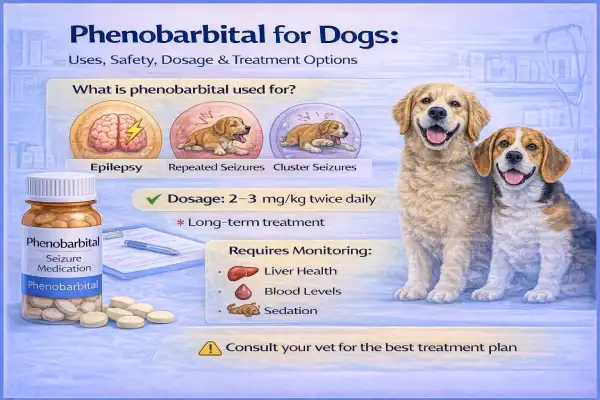
Phenobarbital for Dogs Phenobarbital is one of the most commonly prescribed seizure medications for dogs. It works by stabilizing brain activity and reducing abnormal electrical signals that cause seizures. 👉 It is: ⚠️ However, it requires monitoring due to potential side effects, especially with long-term use. What Is Phenobarbital for Dogs? Phenobarbital is a barbiturate

Phenobarbital for Dogs: Uses, Dosage, Side Effects & Safety (Vet-Backed Guide) Read More »
Seizure Medications for Dogs

Seizure Medications for Dogs: Complete Guide (Uses, Safety, Dosage & Treatment Options)

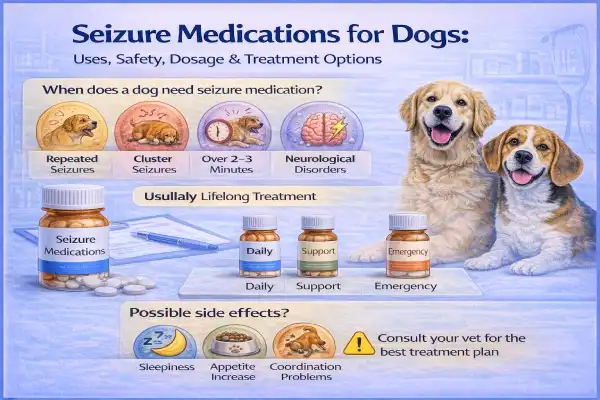
Seizure medications for dogs are essential for managing epilepsy and neurological disorders. These treatments help reduce seizure frequency and improve quality of life, but often require long-term use and careful monitoring. Understanding when medication is needed and how different options work can help you make informed decisions for your dog’s health.

Seizure Medications for Dogs: Complete Guide (Uses, Safety, Dosage & Treatment Options) Read More »

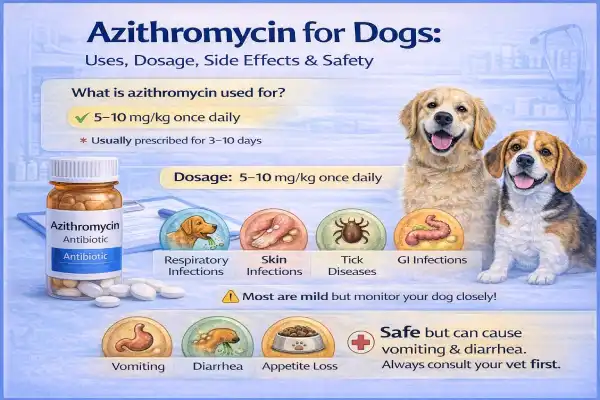
Azithromycin for Dogs

Azithromycin for Dogs: Uses, Dosage, Side Effects & Safety (Vet-Backed Guide)

Azithromycin is a commonly used antibiotic for dogs, especially for respiratory and chronic infections. While generally well tolerated, it can cause side effects such as vomiting, diarrhea, and loss of appetite. Understanding its uses, dosage, and safety helps ensure effective treatment and better outcomes for your dog.

Azithromycin for Dogs: Uses, Dosage, Side Effects & Safety (Vet-Backed Guide) Read More »
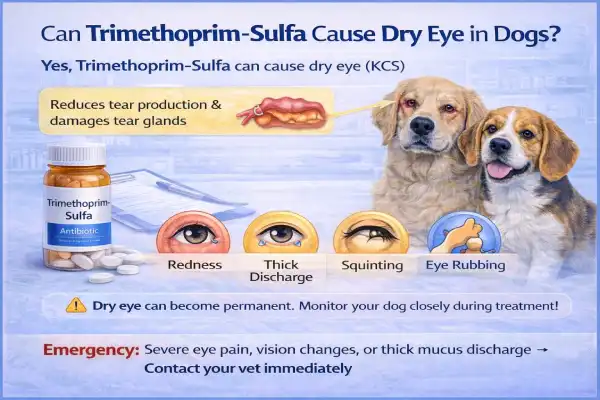
Can Trimethoprim-Sulfa Cause Dry Eye in Dogs?

Can Trimethoprim-Sulfa Cause Dry Eye in Dogs? (KCS Risk, Signs & Prevention Guide)

Trimethoprim-Sulfa can cause dry eye (KCS) in dogs by reducing tear production and affecting tear glands. Although uncommon, this side effect can become serious or permanent if not detected early. Recognizing the warning signs and acting quickly is essential to protect your dog’s eye health during treatment.

Can Trimethoprim-Sulfa Cause Dry Eye in Dogs? (KCS Risk, Signs & Prevention Guide) Read More »

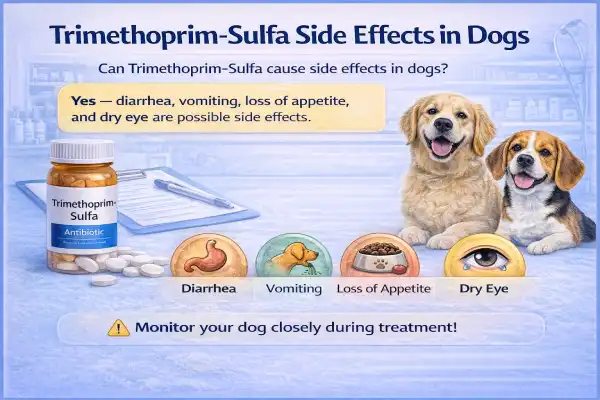
Trimethoprim-Sulfa Side Effects in Dogs

Trimethoprim-Sulfa Side Effects in Dogs: What to Watch For (Vet-Backed Guide)

Trimethoprim-Sulfa is a commonly used antibiotic for dogs, but it can cause side effects like diarrhea, vomiting, and dry eye. While most reactions are mild, some can become serious without early detection. Understanding these risks helps you protect your dog and ensure safe, effective treatment.

Trimethoprim-Sulfa Side Effects in Dogs: What to Watch For (Vet-Backed Guide) Read More »

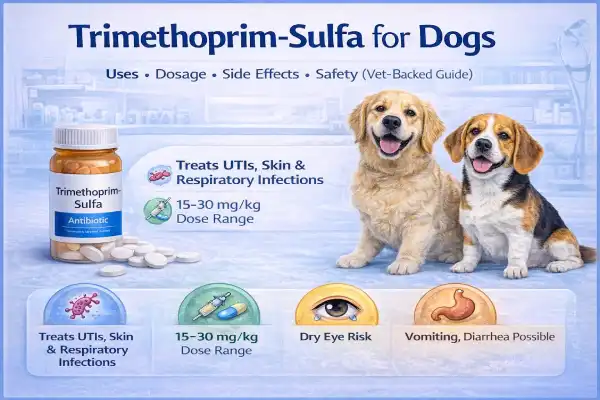
Trimethoprim-Sulfa for Dogs

Trimethoprim-Sulfa for Dogs: Uses, Dosage, Side Effects & Safety (Vet-Backed Guide)

Trimethoprim-Sulfa is a widely used antibiotic for dogs that treats infections like UTIs, skin conditions, and respiratory issues. While effective, it can cause side effects such as diarrhea, vomiting, and dry eye, making proper monitoring essential during treatment. Understanding its uses, risks, and safe administration can help ensure the best outcome for your dog.

Trimethoprim-Sulfa for Dogs: Uses, Dosage, Side Effects & Safety (Vet-Backed Guide) Read More »
Scroll to Top