Quick Answer
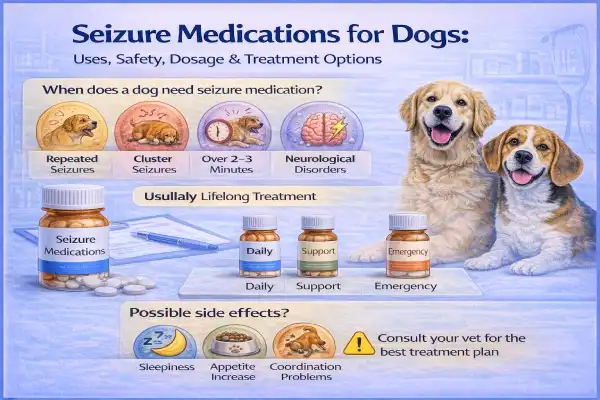
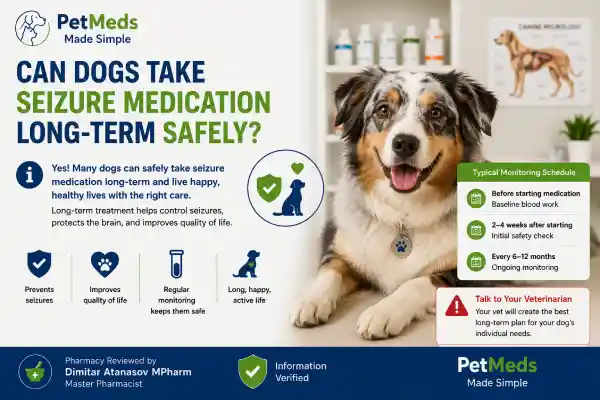
Can Dogs Take Seizure Medication Long-Term Safely? Yes most dogs with epilepsy can safely take seizure medication for months or even years, and many require lifelong treatment. In fact, long-term anticonvulsant therapy is often the safest way to prevent repeated seizures, reduce the risk of brain injury, and improve quality of life.
However, “safe” does not mean “risk-free.” Some seizure medications may cause side effects over time, particularly if blood levels become too high or if routine monitoring is skipped. The key to long-term success is choosing the right medication, using the correct dose, and performing regular veterinary checkups and blood tests.
For many dogs, the benefits of preventing seizures greatly outweigh the potential risks of lifelong medication.
Why Do Many Dogs Need Lifelong Seizure Medication?
One of the hardest conversations veterinarians have with owners is explaining that epilepsy usually cannot be cured. Instead, treatment focuses on controlling seizures as effectively as possible while minimizing medication side effects.
Many owners hope that after several months without seizures, the medication can simply be stopped. Unfortunately, this is rarely the case.
Dogs diagnosed with idiopathic epilepsy often require medication for the rest of their lives because the underlying tendency for abnormal electrical activity in the brain remains present.
Long-term therapy helps:
- Reduce seizure frequency
- Reduce seizure severity
- Prevent dangerous cluster seizures
- Lower the risk of status epilepticus
- Improve overall quality of life
- Reduce emergency veterinary visits
- Help protect the brain from repeated seizure-related injury
Without treatment, seizures often become more frequent or more severe over time.
Can Dogs Take Seizure Medication Long-Term Safely?
The Goal Is Control—Not Always Complete Elimination
Many owners expect seizure medication to completely stop every seizure forever.
In reality, veterinarians usually aim for:
| Treatment Goal | Realistic Expectation |
|---|---|
| Reduce seizure frequency | ✓ Yes |
| Reduce seizure severity | ✓ Yes |
| Shorten seizure duration | ✓ Yes |
| Improve recovery after seizures | ✓ Yes |
| Eliminate every seizure permanently | Not always possible |
Even dogs that occasionally have breakthrough seizures may still be considered well controlled if seizures become much less frequent.
Which Dogs Usually Need Long-Term Treatment?
Not every dog that experiences a seizure immediately requires lifelong medication.
Veterinarians consider several factors before recommending long-term anticonvulsants.
Dogs are more likely to need ongoing treatment if they have:
- Two or more seizures within six months
- Cluster seizures
- Status epilepticus
- Frequent recurring seizures
- Progressive neurological disease
- MRI-confirmed brain disease
- Idiopathic epilepsy
- Severe post-seizure recovery periods
Some dogs that experience a single seizure may never require medication at all.
Factors That Influence Treatment Decisions
Veterinarians evaluate much more than the seizure itself.
Important considerations include:
- Dog’s age
- Breed
- Underlying cause
- Overall health
- Liver function
- Kidney function
- Current medications
- Seizure frequency
- Seizure severity
- Recovery time between episodes
Every treatment plan is individualized.
Which Seizure Medications Are Commonly Used Long-Term?
Several anticonvulsants are considered appropriate for chronic use in dogs.
Each has unique advantages and disadvantages.
| Medication | Long-Term Use | Routine Monitoring |
|---|---|---|
| Phenobarbital | Very common | Yes |
| Potassium Bromide | Very common | Yes |
| Levetiracetam (Keppra) | Common | Sometimes |
| Zonisamide | Common | Occasionally |
| Gabapentin | Sometimes (adjunct) | Usually minimal |
| Pregabalin | Sometimes (adjunct) | Usually minimal |
Many dogs eventually receive combination therapy rather than a single medication.
Is Phenobarbital Safe for Years?
Phenobarbital has remained one of the most commonly prescribed canine seizure medications for decades.
This often surprises owners because they hear the word barbiturate and immediately worry about safety.
The reality is more balanced.
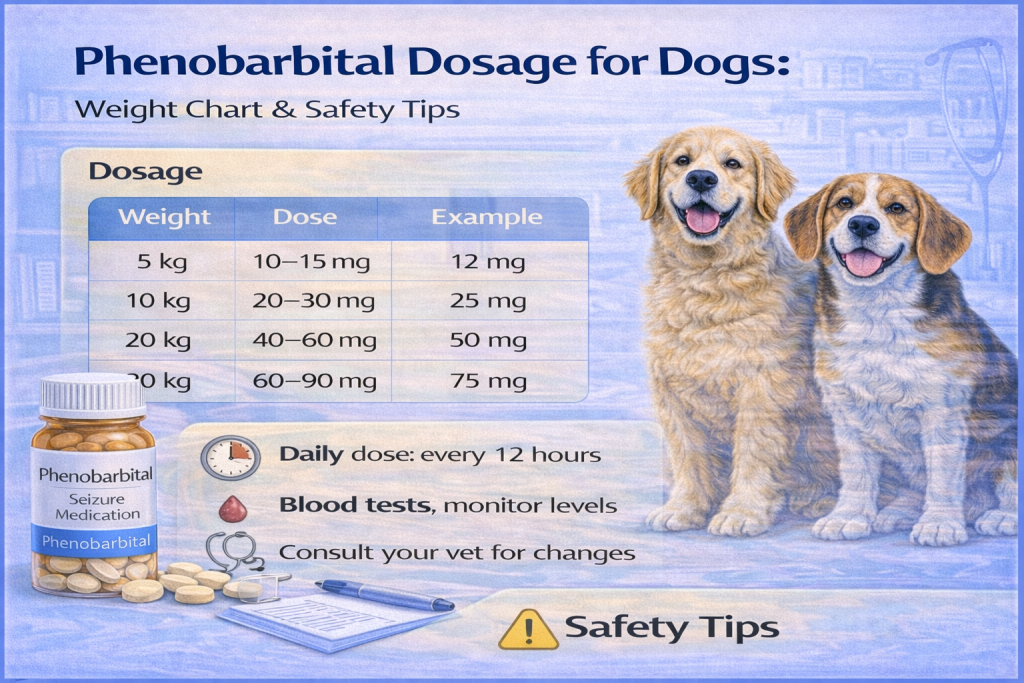
Phenobarbital can be used safely for many years when:
- Blood levels remain therapeutic
- Liver function is monitored regularly
- The dose is adjusted appropriately
- Owners never change the dose without veterinary guidance
Thousands of dogs worldwide live long, comfortable lives while taking phenobarbital every day.
However, regular monitoring is essential because this medication is processed by the liver.
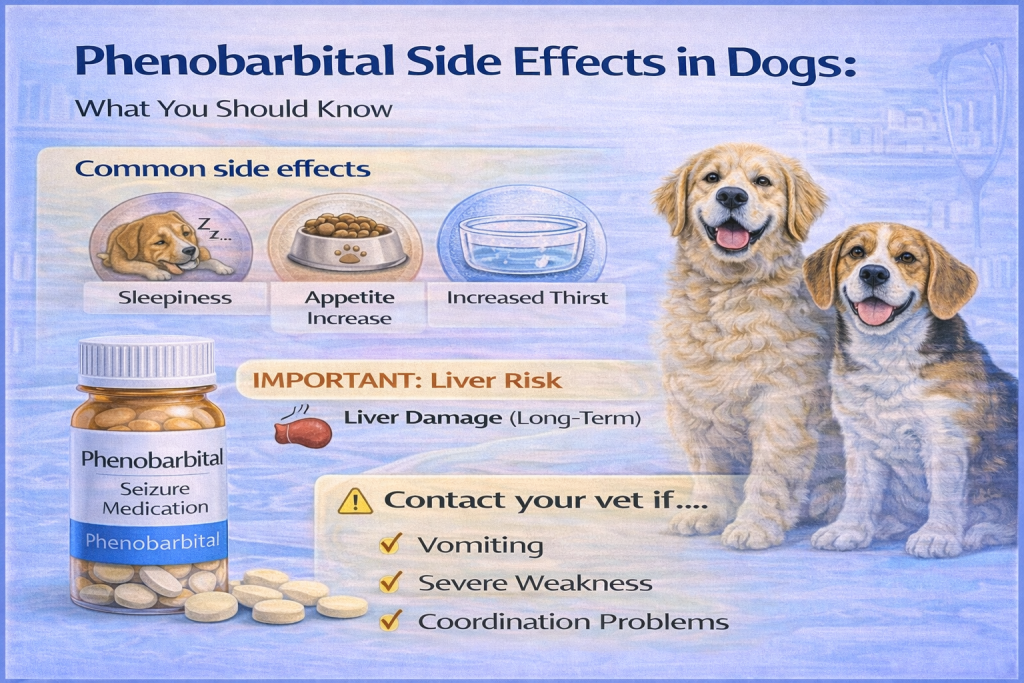
Possible Long-Term Concerns with Phenobarbital

Potential concerns include:
- Elevated liver enzymes
- Liver disease (in some dogs)
- Increased appetite
- Weight gain
- Increased thirst
- Increased urination
- Mild sedation
- Occasional coordination problems
Fortunately, many side effects improve after the first few weeks of therapy.
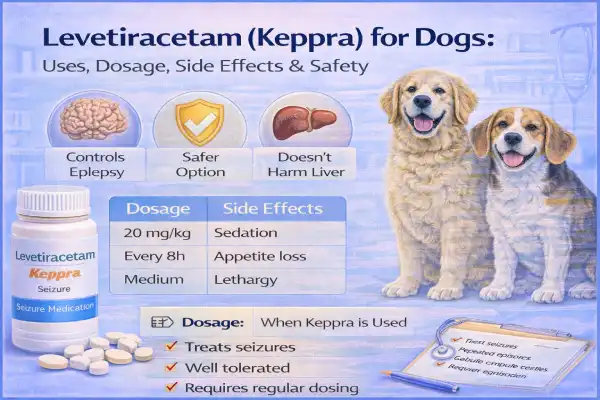
Is Levetiracetam (Keppra) Safe Long-Term?
Levetiracetam has become increasingly popular because it generally causes fewer serious long-term side effects than some older anticonvulsants.
Many neurologists use it as:
- Primary therapy
- Add-on therapy
- Emergency seizure control
- Dogs with liver disease
- Senior dogs
- Dogs that cannot tolerate phenobarbital
Unlike phenobarbital, levetiracetam undergoes much less liver metabolism.
This makes it an attractive option for dogs with existing liver concerns.
Advantages of Long-Term Levetiracetam
Benefits may include:
- Lower liver toxicity
- Few drug interactions
- Fast onset of action
- Generally well tolerated
- Flexible dosing
- Can be combined with other medications
Some dogs remain on levetiracetam for many years with excellent seizure control.
Is Potassium Bromide Safe for Lifelong Use?
Potassium bromide has also been used successfully in veterinary medicine for decades.
It is particularly useful in:
- Dogs with liver disease
- Dogs needing additional seizure control
- Dogs that cannot tolerate high doses of phenobarbital
Because bromide is eliminated primarily through the kidneys rather than the liver, it may be appropriate for certain patients that cannot safely receive higher phenobarbital doses.
However, potassium bromide also requires monitoring because excessive bromide levels may produce neurological side effects.
Can Dogs Develop Tolerance to Seizure Medication?
This is one of the most common concerns owners have.
Fortunately, true drug tolerance is relatively uncommon with most canine anticonvulsants.
Instead, what appears to be tolerance is often caused by:
- Disease progression
- Body weight changes
- Missed doses
- Medication interactions
- Blood levels becoming too low
- New underlying neurological disease
This is why periodic blood testing is so valuable.
It helps veterinarians determine whether medication adjustments are necessary before seizure control is lost.
What Side Effects Are Normal During the First Few Weeks?
Many seizure medications produce temporary side effects while the dog’s body adjusts.
These early effects are often much less concerning than owners initially fear.
| Common Early Side Effects | Usually Temporary? |
|---|---|
| Sleepiness | Yes |
| Wobbliness | Yes |
| Mild weakness | Yes |
| Increased thirst | Often |
| Increased appetite | Often |
| Increased urination | Often |
| Mild incoordination | Usually |
For many dogs, these effects gradually improve over two to four weeks as the nervous system adapts to the medication.
This adjustment period is one reason veterinarians generally recommend not stopping seizure medication prematurely unless severe side effects develop.
Can Long-Term Medication Actually Improve Life Expectancy?
Many owners worry that taking anticonvulsants for years might shorten their dog’s lifespan.
Ironically, the opposite is often true.
Repeated uncontrolled seizures can expose dogs to significant risks, including:
- Brain injury
- Dangerous overheating
- Trauma during seizures
- Aspiration pneumonia
- Status epilepticus
- Life-threatening cluster seizures
- Increased emergency hospitalizations
When seizure medication successfully reduces these events, many dogs enjoy longer, healthier, and more comfortable lives despite remaining on lifelong treatment.
How Often Should Dogs Taking Seizure Medication Have Blood Tests?
One of the biggest myths about long-term anticonvulsant therapy is that once the correct medication has been prescribed, nothing else needs to be done.
In reality, regular monitoring is one of the reasons long-term seizure medication can be used so safely.
Blood tests allow your veterinarian to detect small changes long before your dog becomes ill or seizure control begins to decline.
The exact schedule depends on the medication your dog receives, but monitoring commonly includes:
- Therapeutic drug levels
- Liver enzymes
- Kidney values
- Electrolytes
- Complete blood count (CBC)
- Overall health assessment
Routine monitoring is especially important for dogs receiving phenobarbital or potassium bromide, while dogs taking levetiracetam (Keppra®) generally require less frequent drug-level monitoring.
A Typical Monitoring Schedule
Although every patient is different, many veterinarians follow a schedule similar to this.
| Time After Starting Medication | Typical Monitoring |
|---|---|
| Before treatment | Baseline blood work |
| 2–4 weeks | Initial drug level (if appropriate) |
| 3 months | Blood chemistry and clinical assessment |
| Every 6 months | Routine monitoring |
| Any time seizures change | Immediate re-evaluation |
Dogs that have remained stable for years still benefit from regular checkups because changes in age, weight, liver function, or other diseases can alter how medications behave.
Can Seizure Medication Damage the Liver?

This is probably the question owners fear most.
The answer is:
Some seizure medications can affect the liver, but most dogs never develop serious liver disease when properly monitored.
Phenobarbital deserves the most attention because it is metabolized by the liver.
Over time it may cause:
- Increased liver enzyme activity
- Enlargement of the liver
- Changes in liver function
- Rare cases of chronic liver disease
Fortunately, veterinarians monitor for these changes long before dogs become seriously ill.
Finding mildly elevated liver enzymes does not automatically mean the medication must be stopped.
Instead, your veterinarian considers:
- Drug blood levels
- Clinical signs
- Degree of enzyme elevation
- Seizure control
- Overall health
Sometimes no treatment changes are needed at all.
What About the Kidneys?
Unlike phenobarbital, potassium bromide is removed primarily through the kidneys.
That doesn’t mean it damages the kidneys, but kidney function can influence how quickly bromide leaves the body.
If kidney disease develops later in life, medication adjustments may become necessary.
Your veterinarian may also recommend periodic kidney monitoring in senior dogs or those with other medical conditions.
What Side Effects Can Develop Over Time?
Many early side effects improve after the first month.
However, long-term therapy may occasionally lead to new changes that owners should recognize.
Possible long-term side effects include:
- Increased appetite
- Weight gain
- Increased thirst
- Frequent urination
- Mild sedation
- Reduced athletic performance
- Occasional wobbliness
- Changes in liver values
- Medication interactions
- Rare behavioral changes
Fortunately, serious complications remain uncommon when dogs receive regular veterinary care.
Signs the Medication Dose May Need Adjustment
Even dogs that have been stable for years occasionally require dose adjustments.
Your veterinarian may recommend re-evaluation if you notice:
- Breakthrough seizures
- Seizures becoming more frequent
- Longer seizures
- More severe seizures
- Excessive sleepiness
- Difficulty walking
- New weakness
- Marked personality changes
- Loss of appetite
- Persistent vomiting
Owners should never increase or decrease anticonvulsant doses on their own.
Even small changes can significantly affect seizure control.
If you’ve noticed new neurological signs, our related guides Why Is My Dog Sleeping All Day on Keppra?, Can Seizure Medication Cause Aggression?, Can Seizure Medication Cause Anxiety?, Why Is My Dog Weak After Seizure Medication?, and Why Is My Dog Still Confused After a Seizure? explain when these symptoms may represent medication side effects and when they warrant immediate veterinary attention.
Can Dogs Ever Stop Seizure Medication?
Sometimes—but only under carefully controlled circumstances.
This is one of the most common questions owners ask after their dog has been seizure-free for several years.
Unfortunately, there isn’t a simple yes-or-no answer.
Some dogs may eventually have their medication reduced or discontinued under veterinary supervision, but many require lifelong treatment.
Factors your veterinarian considers include:
- Time since the last seizure
- Type of epilepsy
- Number of previous seizures
- MRI findings (if available)
- Neurological examination
- Response to medication
- Overall health
Even when discontinuation is considered, it is done very gradually over weeks or months.
Why You Should Never Stop Seizure Medication Suddenly
Stopping anticonvulsants abruptly is one of the most dangerous mistakes an owner can make.
Sudden withdrawal can increase the risk of:
- Rebound seizures
- Cluster seizures
- Status epilepticus
- Severe neurological complications
- Emergency hospitalization
This is especially true for medications such as phenobarbital.
If treatment ever needs to change, your veterinarian will design a slow tapering schedule to reduce these risks.
Can Dogs Build a Normal Life While Taking Medication?

Absolutely.
One of the most encouraging things veterinarians tell owners is that epilepsy doesn’t have to define a dog’s life.
Many dogs receiving long-term anticonvulsant therapy continue to enjoy:
- Daily walks
- Hiking
- Playing fetch
- Swimming (with supervision)
- Family vacations
- Training sessions
- Excellent quality of life
The goal isn’t simply preventing seizures.
It’s allowing dogs to continue enjoying the activities they love while staying as healthy and comfortable as possible.
Living With a Dog Receiving Lifelong Seizure Medication
Successful long-term management often comes down to consistency.
Owners who achieve the best seizure control usually develop simple daily habits.
These include:
- Giving medication at the same time every day
- Never missing doses
- Recording every seizure
- Attending scheduled blood tests
- Watching for changes in behavior
- Maintaining a healthy body weight
- Informing every veterinarian about seizure medications before new drugs are prescribed
These small habits can make a tremendous difference over the course of your dog’s life.
Can Combination Therapy Be Used Long-Term?
Yes—and in many dogs, combination therapy provides better seizure control than increasing the dose of a single medication.
For example, a neurologist may prescribe:
- Phenobarbital + Levetiracetam (Keppra®)
- Phenobarbital + Potassium Bromide
- Levetiracetam + Zonisamide
- Phenobarbital + Gabapentin (for selected patients)
At first, hearing that your dog needs two or even three seizure medications can feel overwhelming. Some owners immediately worry that this means the epilepsy is “getting worse.”
Fortunately, that’s not always true.
In many cases, combination therapy allows veterinarians to use lower doses of each medication, reducing the risk of side effects while improving seizure control.
The goal isn’t to prescribe more medication—it’s to find the safest balance between seizure prevention and quality of life.
Can Dogs Live a Normal Lifespan While Taking Seizure Medication?
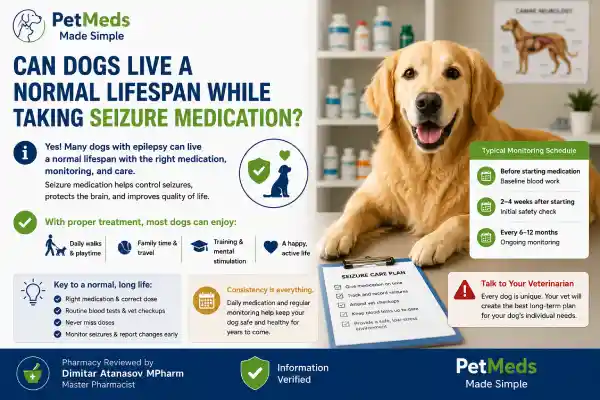
One of the first questions owners ask after hearing the words “lifelong medication” is:
“Will my dog still have a normal life?”
In many cases, the answer is yes.
Dogs with well-controlled epilepsy often continue to:
- Go on daily walks
- Play with their families
- Travel
- Enjoy training sessions
- Live happily for many years
In fact, veterinarians often worry more about uncontrolled seizures than about properly monitored medication.
Repeated seizures can expose dogs to:
- Brain injury
- Dangerous overheating
- Falls and trauma
- Aspiration pneumonia
- Status epilepticus
- Emergency hospitalization
Preventing those complications is one of the biggest reasons long-term anticonvulsant therapy improves quality of life.
Mistakes Owners Commonly Make
After caring for epileptic dogs for years, veterinarians often notice the same mistakes happening again and again.
Fortunately, they’re also among the easiest mistakes to prevent.
Skipping doses
Missing even one dose of certain anticonvulsants may increase the risk of breakthrough seizures.
Changing the dose without veterinary advice
Owners sometimes reduce medication because their dog seems sleepy.
Others increase it because they’re worried about another seizure.
Neither approach is safe without professional guidance.
Stopping medication after months without seizures
This is one of the most dangerous misconceptions.
Many owners believe:
“My dog hasn’t had a seizure for a year, so maybe the epilepsy is gone.”
Unfortunately, seizure-free periods are often the result of the medication working, not because the disease has disappeared.
Missing blood-test appointments
Blood monitoring isn’t just paperwork.
It’s one of the reasons anticonvulsants can be used safely for years.
Routine testing allows veterinarians to detect subtle changes before they become serious problems.
Forgetting to mention seizure medication to other veterinarians
Many medications—including certain antibiotics, pain medications, and sedatives—may interact with anticonvulsants.
Always tell every veterinarian your dog sees which seizure medications are currently being taken.
When Should Owners Contact Their Veterinarian?
Routine follow-up visits are part of successful long-term epilepsy management.
However, some situations shouldn’t wait for the next scheduled appointment.
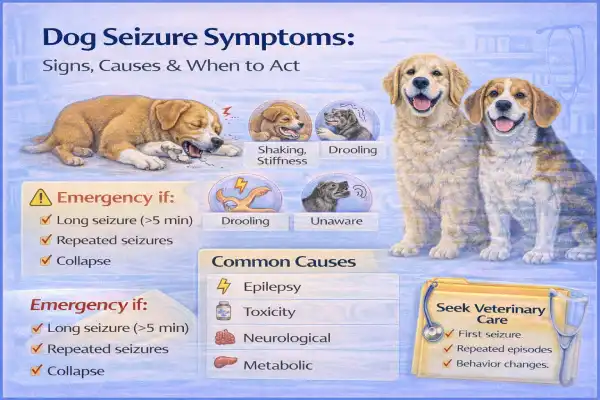
Contact your veterinarian promptly if your dog:
- Begins having more frequent seizures.
- Experiences cluster seizures.
- Has a seizure lasting longer than five minutes.
- Develops severe weakness.
- Becomes unable to stand.
- Stops eating for more than 24 hours.
- Vomits repeatedly.
- Develops yellow gums, eyes, or skin.
- Becomes extremely lethargic.
- Shows sudden personality or behavioral changes.
Early intervention often prevents more serious complications later.
Looking Ahead
Perhaps the most reassuring message owners can hear is this:
Epilepsy is often a condition that can be managed—not one that has to control your dog’s entire life.
Veterinary medicine has advanced tremendously over the past two decades.
Today, neurologists have more anticonvulsant options than ever before, allowing treatment plans to be tailored to each individual dog.
Some patients remain seizure-free for years.
Others continue to experience occasional seizures but still enjoy an excellent quality of life because those episodes become shorter, less frequent, and easier to manage.
While lifelong medication may sound intimidating at first, many owners eventually tell their veterinarian the same thing:
“Giving the medication twice a day has simply become part of our routine.”
Veterinarian Takeaway
Can Dogs Take Seizure Medication Long-Term Safely? For most dogs, the answer is yes. Long-term anticonvulsant therapy is a cornerstone of epilepsy management and allows many dogs to live happy, active lives for years.
No medication is completely free of side effects, but the risks associated with well-monitored treatment are often far lower than the risks of repeated uncontrolled seizures. Regular blood tests, routine veterinary examinations, consistent dosing, and good communication between owners and veterinarians are the keys to long-term success.
Rather than asking whether lifelong medication is “good” or “bad,” veterinarians usually ask a different question:
“Is this treatment allowing the dog to live a safer, healthier, and more comfortable life?”
In most cases, the answer is yes.
Bottom Line
If you’ve searched “Can Dogs Take Seizure Medication Long-Term Safely?”, you’re likely thinking about the future.
The good news is that thousands of dogs safely receive anticonvulsant medications for many years. With the right medication, the correct dose, regular blood monitoring, and close veterinary supervision, long-term seizure treatment is often both safe and highly effective.
Although side effects are possible, they can frequently be managed through routine monitoring and timely dose adjustments. Most importantly, preventing repeated seizures often protects the brain, reduces emergency situations, and significantly improves a dog’s quality of life.
Frequently Asked Questions – Can Dogs Take Seizure Medication Long-Term Safely
Can dogs stay on seizure medication for life?
Yes. Many dogs with idiopathic epilepsy require lifelong anticonvulsant therapy and continue to enjoy an excellent quality of life.
Is phenobarbital safe long-term?
For most dogs, yes. Regular liver monitoring and therapeutic blood-level testing help ensure safe long-term use.
Can Keppra be used for years?
Yes. Levetiracetam (Keppra®) is commonly used for long-term seizure control and is generally well tolerated.
How often should blood tests be performed?
Most dogs require baseline testing followed by periodic monitoring, although the exact schedule depends on the medication being used and your veterinarian’s recommendations.
Can seizure medication damage the liver?
Some medications, particularly phenobarbital, may affect liver function over time, which is why routine blood tests are recommended.
Can dogs become dependent on seizure medication?
No. Dogs do not become “addicted” to anticonvulsants, but stopping them suddenly can trigger dangerous rebound seizures.
Can my dog ever stop seizure medication?
Some dogs may eventually have their medication reduced under veterinary supervision, but many require lifelong treatment.
What happens if I miss a dose?
Contact your veterinarian for advice. Never double the next dose unless specifically instructed.
Can dogs take more than one seizure medication?
Yes. Combination therapy is common when a single medication doesn’t provide adequate seizure control.
Can dogs live a normal life while taking seizure medication?
Absolutely. Many dogs receiving long-term anticonvulsant therapy continue to enjoy active, happy, and fulfilling lives.
Sources
- Plumb’s Veterinary Drug Handbook (10th Edition)
- BSAVA Small Animal Formulary (11th Edition)
- Merck Veterinary Manual – Seizure Disorders in Dogs
- ACVIM Consensus Statement on Seizure Management in Dogs
- Veterinary Pharmacology and Therapeutics (10th Edition)
- Small Animal Clinical Pharmacology
- Journal of Veterinary Internal Medicine (JVIM)
- Journal of the American Veterinary Medical Association (JAVMA)
- Veterinary Information Network (VIN)
- Frontiers in Veterinary Science
Medical Review Statement
This article was written by Dimitar Georgiev Atanasov, MPharm, pharmacy and scientifically reviewed by Gergana Krasimirova Atanasova, MPharm, and independently veterinary reviewed by Dr. Valcho Georgiev Valchev, DVM. It is based on current veterinary pharmacology references, peer-reviewed scientific literature, and evidence-based veterinary guidelines to ensure accuracy and medication safety.
Important Medical Disclaimer
The information provided on PetMedsMadeSimple.com is intended for educational purposes only and should not replace professional veterinary diagnosis or treatment.
Never start, stop, or adjust your dog’s seizure medication without consulting your veterinarian. If your dog develops prolonged seizures, cluster seizures, severe weakness, collapse, or breathing difficulties, seek emergency veterinary care immediately.
Image Disclosure
Some images used in this article may be AI-generated or AI-assisted for educational purposes. Every article is independently researched, pharmacy-reviewed, scientifically reviewed, and veterinary-reviewed. AI-generated illustrations are designed to improve understanding of veterinary medications and neurological conditions and do not depict actual clinical patients.