Quick Answer
Can dogs take gabapentin long-term safely? In many cases, yes. Veterinarians commonly prescribe gabapentin for long-term use in dogs with chronic pain, arthritis, neurological conditions, and certain seizure disorders. Many dogs take gabapentin safely for months or even years under veterinary supervision. However, regular monitoring is important because long-term treatment may require dosage adjustments, medication reviews, and ongoing assessment of side effects and effectiveness.
When owners first hear that their dog may need gabapentin long-term, they often become concerned.
Questions commonly include:
- Will it damage my dog’s organs?
- Can my dog stay on gabapentin for years?
- Will it stop working?
- Is long-term use safe for senior dogs?
- Can dogs become dependent on gabapentin?
These are reasonable concerns.
After all, long-term medication is a significant commitment for both dogs and owners.
The good news is that gabapentin has become one of the most frequently prescribed long-term medications in veterinary medicine.
When Owners Commonly Ask This
Owners often search for this question after hearing:
- Your dog may need gabapentin permanently.
- Your dog may need chronic pain management.
- Your dog has severe arthritis.
- Your dog has nerve pain.
- Your dog has a neurological condition.
- Your dog needs seizure treatment.
Many owners worry because they assume long-term medication automatically means higher risk.
In reality, long-term treatment is often safer than uncontrolled pain.
Can Dogs Take Gabapentin Long-Term Safely?
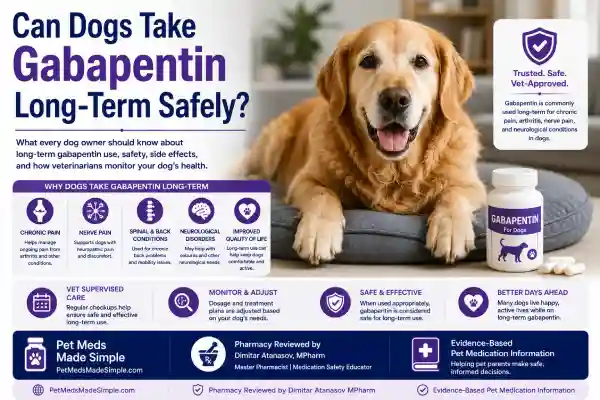
Why Do Dogs Stay on Gabapentin Long-Term?
Gabapentin is commonly prescribed for chronic conditions.
Examples include:
Chronic Arthritis
Many senior dogs benefit from ongoing pain management.
Related article:
Can Senior Dogs Safely Take Anxiety Medication?
Nerve Pain
Gabapentin is particularly useful for neuropathic pain.
Chronic Back Problems
Some spinal conditions require ongoing treatment.
Seizure Disorders
Certain dogs remain on gabapentin for extended periods.
Combination Pain Management
Gabapentin is often used alongside other medications.
Related article:
Can Gabapentin Be Given With Other Dog Medications?
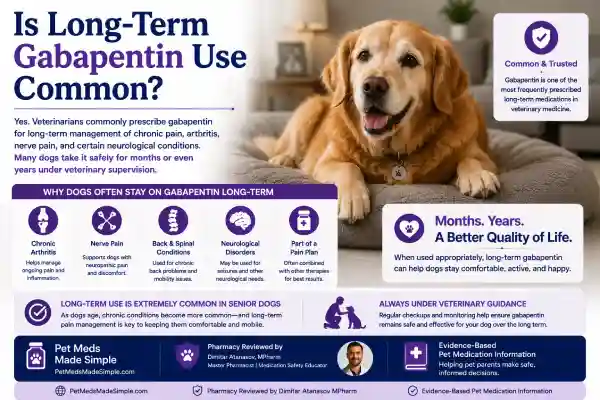
Is Long-Term Gabapentin Use Common?
Yes.
Veterinarians routinely prescribe gabapentin for long-term management.
Many dogs take it safely for:
- Months
- Years
- The remainder of their lives
especially when chronic conditions are involved.
Long-term treatment is extremely common in senior dogs.
Important Facts About Long-Term Gabapentin Use in Dogs
Most Dogs Tolerate It Well
One reason gabapentin is so popular is its generally favorable safety profile.
Most dogs tolerate treatment very well.
Monitoring Is Still Important
Even safe medications require ongoing monitoring.
Veterinarians may periodically review:
- Symptoms
- Mobility
- Comfort levels
- Side effects
Side Effects May Improve Over Time
Many side effects become less noticeable after adjustment.
Examples include:
- Sleepiness
- Mild weakness
- Wobbliness
Related articles:
Why Is My Dog Wobbly After Gabapentin?
Can Gabapentin Cause Weakness in Dogs?
The Dose May Need Adjustment
Medical conditions change over time.
Some dogs eventually require:
- Higher doses
- Lower doses
- Different schedules
Treatment plans should always remain individualized.
Effectiveness Can Change
Some owners notice that gabapentin seems less effective after months or years.
This does not necessarily mean the medication failed.
Sometimes the underlying disease has progressed.
Related article:
Why Is My Dog Crying Despite Gabapentin?
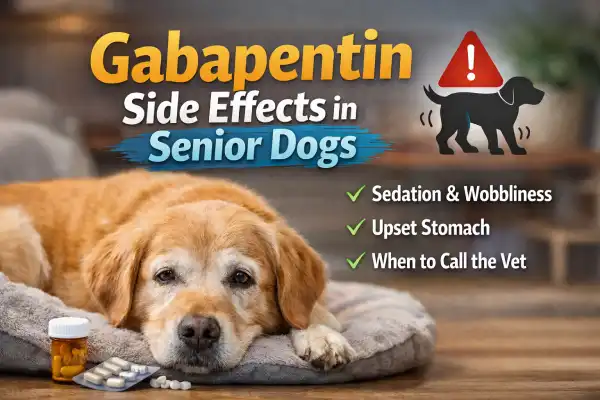
Senior Dogs May Need Closer Monitoring
Older dogs often have:
- Arthritis
- Multiple medications
- Additional health conditions
Related article:
Can Senior Dogs Safely Take Anxiety Medication?
Never Stop Suddenly Without Guidance
Long-term medications should never be stopped abruptly without veterinary advice.
Your veterinarian can determine the safest approach if treatment changes become necessary.
Can Dogs Become Dependent on Gabapentin?
This is a common concern.
Most owners worry that long-term treatment automatically creates dependency.
In veterinary medicine, the primary concern is usually maintaining symptom control rather than addiction.
However, sudden medication changes should always be supervised by a veterinarian.
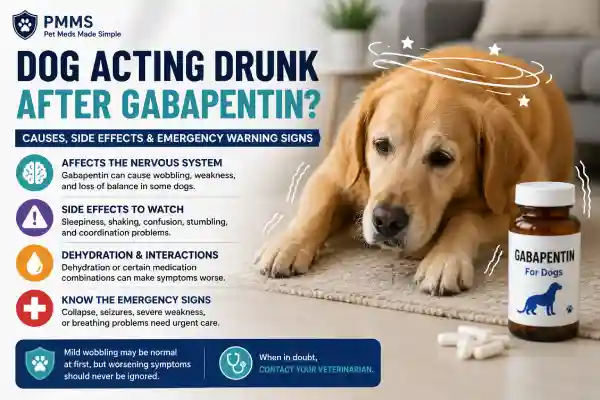
What Side Effects Should Owners Monitor?
Long-term users should watch for:
Excessive Sleepiness
Related article:
How Long Does Gabapentin Last in Dogs?
Wobbliness
Related article:
Why Is My Dog Wobbly After Gabapentin?
Weakness
Related article:
Can Gabapentin Cause Weakness in Dogs?
Anxiety-Like Behavior
Related article:
Can Gabapentin Cause Anxiety in Dogs?
Changes in Comfort
Owners should monitor whether pain appears well controlled.
Related Articles
You can naturally place additional internal links throughout the article:
- Is Trazodone or Gabapentin Better for Anxiety in Dogs?
- Can I Give My Dog Human Gabapentin?
- Complete Guide to Gabapentin for Dogs
- Why Is My Dog Crying Despite Gabapentin?
- Can Gabapentin Cause Anxiety in Dogs?
- Can Gabapentin Cause Weakness in Dogs?
- Why Is My Dog Wobbly After Gabapentin?
Can Long-Term Gabapentin Stop Working?
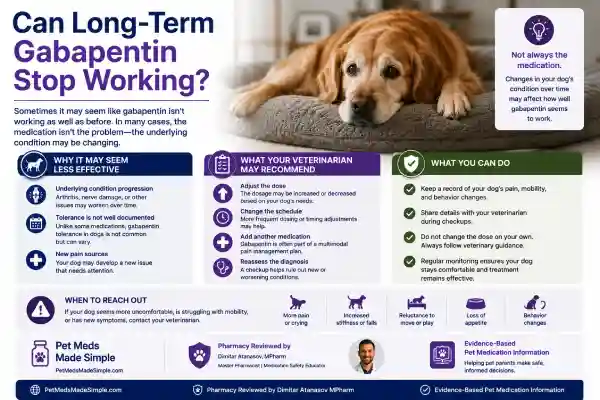
Sometimes owners feel that gabapentin becomes less effective over time.
In many cases, however, the medication is not the problem.
Instead, the underlying condition may be progressing.
For example:
- Arthritis may become more severe.
- Nerve damage may worsen.
- Mobility problems may increase with age.
When this happens, veterinarians may:
- Adjust the dosage.
- Change the treatment schedule.
- Add another medication.
- Reassess the diagnosis.
Owners should never assume that gabapentin has “failed” without consulting their veterinarian.
Are Long-Term Side Effects Common?
Most dogs tolerate long-term gabapentin remarkably well.
However, some side effects can occur.
The most commonly reported include:
Sleepiness
Some dogs remain mildly sleepy throughout treatment.
Wobbliness
Balance problems may occur, especially after dosage increases.
Related article:
Why Is My Dog Wobbly After Gabapentin?
Weakness
Some dogs appear less steady or less active.
Related article:
Can Gabapentin Cause Weakness in Dogs?
Increased Sleeping
Many owners notice their dogs sleep more while taking gabapentin.
Behavioral Changes
Occasionally, owners report:
- Clinginess
- Restlessness
- Anxiety-like behavior
Related article:
Can Gabapentin Cause Anxiety in Dogs?
Most side effects are mild and manageable.
What Owners Can Do During Long-Term Treatment
Long-term medication management works best when owners actively monitor their dog.
Keep Regular Veterinary Appointments
Routine checkups help ensure treatment remains appropriate.
Veterinarians can evaluate:
- Comfort levels
- Mobility
- Side effects
- Overall quality of life
Monitor Changes in Mobility
Pay attention to:
- Difficulty standing
- Reluctance to exercise
- Changes in walking patterns
- Stair difficulties
These changes may indicate the need for treatment adjustments.
Watch for New Symptoms
Owners should note any changes involving:
- Appetite
- Energy level
- Sleep patterns
- Behavior
Even subtle changes can provide useful information.
Give Medication Consistently
Consistency is important for long-term success.
Missing doses can sometimes lead to:
- Reduced effectiveness
- Increased discomfort
- Changes in behavior
Related article:
What Happens If My Dog Misses Anxiety Medication?
Never Adjust the Dose Yourself
Owners should avoid:
- Increasing doses
- Decreasing doses
- Stopping treatment abruptly
without veterinary guidance.
When Long-Term Gabapentin Use Becomes Concerning
While long-term use is often safe, some situations deserve prompt veterinary attention.
Severe Weakness
Significant mobility problems should be evaluated.
Frequent Falls
Repeated falls may indicate worsening side effects or disease progression.
Major Behavioral Changes
Sudden anxiety, confusion, or personality changes should not be ignored.
Reduced Quality of Life
The goal of long-term treatment is improved comfort.
If quality of life appears to decline, reassessment may be needed.
Loss of Effectiveness
Pain or discomfort returning despite treatment may require adjustment.
Related article:
Why Is My Dog Crying Despite Gabapentin?
How Veterinarians Monitor Dogs on Long-Term Gabapentin
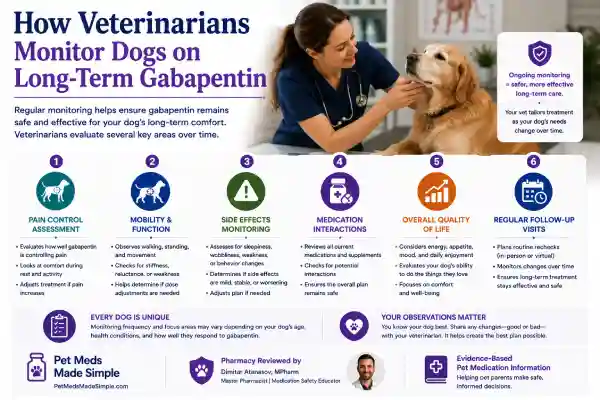
Veterinarians typically focus on several key areas.
Pain Control
Is the medication still providing adequate relief?
Mobility
Can the dog comfortably perform daily activities?
Side Effects
Are any adverse effects becoming problematic?
Medication Interactions
Has the dog started any additional medications?
Related article:
Can Gabapentin Be Given With Other Dog Medications?
Overall Quality of Life
Ultimately, treatment decisions focus on helping dogs remain comfortable and functional.
Related Symptoms Owners Often Notice
Dogs receiving long-term gabapentin may also experience:
Wobbliness
Related article:
Why Is My Dog Wobbly After Gabapentin?
Weakness
Related article:
Can Gabapentin Cause Weakness in Dogs?
Anxiety-Like Behavior
Related article:
Can Gabapentin Cause Anxiety in Dogs?
Crying Despite Medication
Related article:
Why Is My Dog Crying Despite Gabapentin?
Increased Sleeping
Many dogs become more relaxed and spend more time resting.
When Owners Should Contact Their Veterinarian
Contact your veterinarian if:
- Side effects become severe
- Falls occur repeatedly
- Weakness worsens
- Behavior changes significantly
- Pain appears uncontrolled
- Mobility declines
- New symptoms develop
- Quality of life decreases
Early intervention often prevents bigger problems later.
Veterinarian Takeaway
Can dogs take gabapentin long-term safely? In many cases, yes. Gabapentin is commonly used as a long-term medication for chronic pain, arthritis, nerve pain, and certain neurological conditions. Most dogs tolerate treatment well for months or even years when appropriately monitored. Regular veterinary follow-up helps ensure that the medication remains both safe and effective.Can Dogs Take Gabapentin Long-Term Safely?
Bottom Line
Can dogs take gabapentin long-term safely? For many dogs, long-term gabapentin use is a normal and effective part of managing chronic medical conditions.
The medication has a strong safety profile and is widely used in veterinary medicine.
Success depends on:
- Regular monitoring
- Consistent dosing
- Veterinary supervision
- Ongoing evaluation of comfort and quality of life
When used appropriately, many dogs can safely remain on gabapentin for extended periods while maintaining a good quality of life.Can Dogs Take Gabapentin Long-Term Safely?
Frequently Asked Questions – Can Dogs Take Gabapentin Long-Term Safely?
Can dogs take gabapentin for years?
Yes. Many dogs remain on gabapentin for months or years under veterinary supervision.
Is long-term gabapentin safe for senior dogs?
Often yes, although senior dogs may require closer monitoring.
Can gabapentin damage organs with long-term use?
Gabapentin is generally considered to have a favorable safety profile when used appropriately.
Will gabapentin stop working over time?
Sometimes treatment may need adjustment as underlying conditions change.
Can my dog become dependent on gabapentin?
Owners should discuss any treatment changes with their veterinarian before stopping long-term medication.
What side effects should I watch for?
Common concerns include sleepiness, wobbliness, weakness, and behavioral changes.
Can long-term gabapentin cause weakness?
Some dogs may experience weakness or reduced activity.
What happens if I miss a dose?
Follow your veterinarian’s instructions and avoid making dosing changes without guidance.
Should long-term gabapentin be stopped suddenly?
No. Medication changes should always be supervised by a veterinarian.
When should I call my veterinarian?
Contact your veterinarian if side effects worsen, mobility declines, or treatment no longer seems effective.
Reviewed By
Pharmacy Reviewed By
Dimitar Atanasov, MPharm
Master Pharmacist | Medication Safety Educator
Editorial Policy
At Pet Meds Made Simple, our content is researched using current veterinary references, peer-reviewed literature, and established veterinary guidelines. Every article is reviewed for medication safety, accuracy, and owner education.Can Dogs Take Gabapentin Long-Term Safely?
Read our full Editorial Policy:
Sources
- American Veterinary Medical Association (AVMA)
- American Animal Hospital Association (AAHA)
- Merck Veterinary Manual
- FDA Center for Veterinary Medicine
- Veterinary Information Network (VIN)
- American College of Veterinary Internal Medicine (ACVIM)
- Plumb’s Veterinary Drug Handbook
- Veterinary Pharmacology and Therapeutics
- Peer-reviewed studies on long-term gabapentin use in dogs and companion animals.
- Current veterinary pain management and chronic care guidelines.
images created with AI – Can Dogs Take Gabapentin Long-Term Safely?