
Quick Answer
Can dogs take pain medication long-term? In many cases, yes. Dogs with chronic conditions such as arthritis, hip dysplasia, cancer, or spinal disease may safely remain on pain medication for months or even years under veterinary supervision. However, long-term use requires regular monitoring because some medications can affect the kidneys, liver, digestive system, or overall health over time.
Can dogs take pain medication long-term?
Yes. Many dogs safely take pain medication long-term for chronic conditions such as arthritis and degenerative joint disease. Veterinarians often monitor bloodwork, kidney function, liver function, and overall comfort to ensure treatment remains safe and effective. The safest long-term plan depends on the medication, the dog’s health, and the underlying condition being treated.
Can Dogs Take Pain Medication Long-Term?
When Owners Commonly Ask This
Most owners ask this question after a few weeks or months of treatment.
The situation usually looks like this:
- The medication is helping.
- The dog is moving better.
- Pain appears controlled.
- Quality of life improves.
Then a new concern appears:
“Can my dog stay on this forever?”
This is especially common for owners of dogs with:
- Arthritis
- Hip dysplasia
- Elbow dysplasia
- IVDD
- Chronic orthopedic injuries
- Cancer-related pain
The good news is that many dogs can safely receive long-term pain management with proper veterinary monitoring.
Can Dogs Take Pain Medication Long-Term Safely?
Often, yes.
Modern veterinary pain management is designed to help dogs remain comfortable throughout chronic diseases.
Many dogs receive pain medication for:
- Months
- Years
- Sometimes for the remainder of their lives
The key is finding the safest medication and monitoring plan for the individual patient.
Factors That Influence Long-Term Safety
| Factor | Important? |
|---|---|
| Age | Yes |
| Kidney function | Yes |
| Liver function | Yes |
| Underlying disease | Yes |
| Medication type | Yes |
| Dosage | Yes |
| Monitoring frequency | Yes |
Not every dog has the same risk level.
Which Dogs Need Long-Term Pain Medication?
Long-term treatment is most common in dogs with chronic conditions.
Common Examples
- Osteoarthritis
- Hip dysplasia
- Elbow dysplasia
- Chronic back pain
- IVDD
- Cancer pain
- Degenerative joint disease
Many owners researching chronic pain management also read:
Best Pain Medication for Dogs with Arthritis
What Can I Give My Dog for Pain?
Dog Pain Medications Explained
Which Pain Medications Are Commonly Used Long-Term?
Several medications may be used for long-term management.
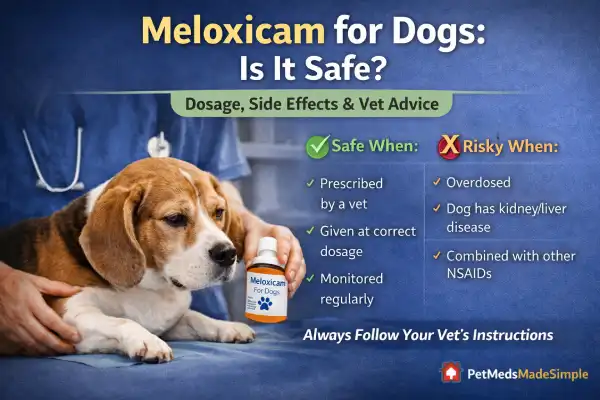
NSAIDs
Examples include:
- Carprofen
- Meloxicam
- Deracoxib
- Galliprant
These medications reduce inflammation and are commonly prescribed for arthritis.
Adjunct Medications
Examples include:
- Gabapentin
- Amantadine
These medications may be combined with NSAIDs when additional pain control is needed.
Owners comparing medications may also find useful:
Carprofen vs Meloxicam for Dogs: Which NSAID Is Safer and More Effective?
Carprofen vs Gabapentin for Dogs: Which One Works Better?
Amantadine vs Gabapentin for Dogs: Which One Works Better?
Can Dogs Take Gabapentin and NSAIDs Together?
Are NSAIDs Safe for Long-Term Use?
Often, yes.
NSAIDs remain one of the most important tools in veterinary pain management.
However, they are not completely risk-free.
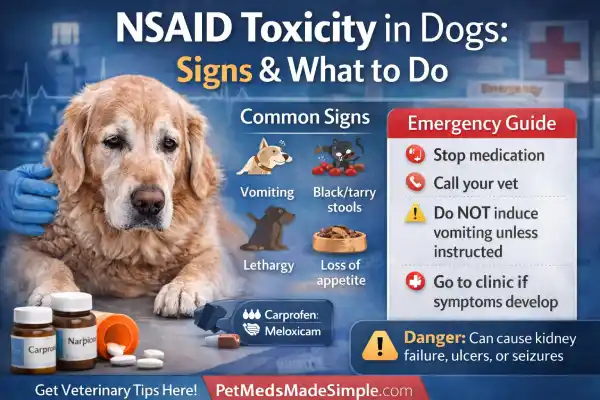
Potential Concerns
- Kidney effects
- Liver effects
- Gastrointestinal irritation
- Stomach ulcers
- Appetite changes
This is why veterinarians recommend regular monitoring.
Owners interested in NSAID safety may also read:
Safest NSAID for Dogs Long-Term
What Is the Safest Anti-Inflammatory for Dogs?
Can Meloxicam Cause Kidney Damage in Dogs?
Can Dogs Stay on Carprofen for Years?
Many can.
Carprofen is one of the most commonly prescribed long-term pain medications in veterinary medicine.
Thousands of dogs receive carprofen daily for arthritis management.
Long-Term Carprofen Monitoring
Veterinarians often monitor:
- Kidney values
- Liver values
- Appetite
- Weight
- Energy levels
When problems occur, treatment plans can often be adjusted before serious complications develop.
Can Dogs Stay on Meloxicam Long-Term?
Yes, many dogs do.
Meloxicam is another commonly used NSAID for chronic pain management.
As with carprofen, success depends on:
- Proper dosing
- Veterinary supervision
- Regular monitoring
Owners frequently compare these medications through:
Carprofen vs Meloxicam for Dogs: Which NSAID Is Safer and More Effective?
Why Do Veterinarians Recommend Bloodwork?
Bloodwork is one of the most important safety tools available.
It allows veterinarians to identify problems before obvious symptoms develop.
Bloodwork May Help Evaluate
| Test Area | Why It Matters |
|---|---|
| Kidney values | Medication clearance |
| Liver values | Drug metabolism |
| Red blood cells | Overall health |
| White blood cells | Disease monitoring |
| Electrolytes | System function |
Routine testing often improves long-term safety significantly.
Can Pain Medication Become Less Effective Over Time?
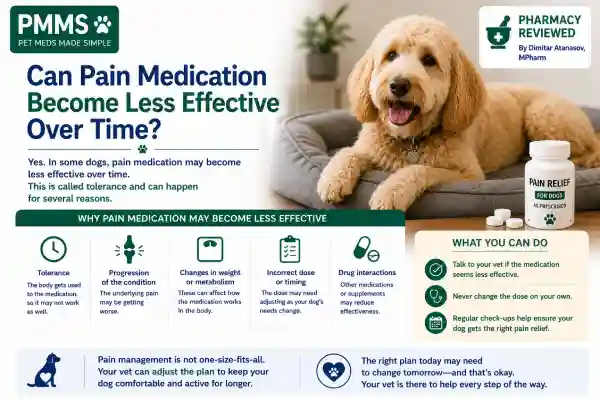
Sometimes.
This does not always mean the medication stopped working.
In many cases:
- Arthritis progresses.
- Joint damage worsens.
- Disease advances.
As a result, more support may eventually be needed.
Signs Pain Control May Need Adjustment
- Increased limping
- Difficulty standing
- Restlessness
- Crying
- Panting
- Reduced activity
Related reading:
Why Is My Dog Still in Pain After Medication?
What to Do If Dog Medication Is Not Working
Warning Signs Your Dog Needs Stronger Pain Medication
Could Long-Term Pain Medication Improve Quality of Life?
Absolutely.
This is one of the most important points owners should understand.
Many dogs experience:
- Better mobility
- Improved sleep
- Increased activity
- Better appetite
- Improved mood
The goal is not simply reducing pain.
The goal is improving quality of life.
Could Long-Term Pain Medication Damage the Kidneys?
Sometimes.
This is one of the most common concerns owners have when asking:
Can Dogs Take Pain Medication Long-Term?
The reality is that most dogs tolerate long-term pain medications very well when properly monitored.
However, some medications—particularly NSAIDs—can affect kidney function in susceptible dogs.
Dogs at Higher Risk
- Senior dogs
- Dogs with existing kidney disease
- Dehydrated dogs
- Dogs with chronic illness
- Dogs receiving multiple medications
Signs That May Suggest Kidney Problems
| Symptom | Possible? |
|---|---|
| Increased thirst | Yes |
| Increased urination | Yes |
| Reduced appetite | Yes |
| Vomiting | Possible |
| Lethargy | Possible |
This is one reason veterinarians often recommend routine bloodwork during long-term treatment.
Owners interested in kidney safety may also find useful:
Can Meloxicam Cause Kidney Damage in Dogs?
Safest NSAID for Dogs Long-Term
Could Long-Term Pain Medication Affect the Liver?

Yes, although serious liver complications are uncommon.
The liver helps process many medications.
Most dogs never experience significant liver issues, but monitoring remains important.
Why Liver Monitoring Matters
Veterinarians may identify changes before obvious symptoms develop.
Potential warning signs include:
- Appetite loss
- Vomiting
- Lethargy
- Weight loss
- Yellowing of the eyes or gums
Routine monitoring greatly improves medication safety.
What Are the Warning Signs of Long-Term Problems?
Fortunately, serious complications are relatively uncommon.
Still, owners should know what to watch for.
Possible Warning Signs
- Loss of appetite
- Vomiting
- Diarrhea
- Increased thirst
- Increased urination
- Weakness
- Reduced energy
- Weight loss
Signs That Should Prompt a Veterinary Visit
| Symptom | Contact Vet? |
|---|---|
| Mild appetite change | Yes |
| Persistent vomiting | Yes |
| Diarrhea lasting several days | Yes |
| Increased thirst | Yes |
| Weakness | Yes |
| Weight loss | Yes |
Early intervention often prevents larger problems.
Can Dogs Build Tolerance to Pain Medication?
Sometimes.
Owners occasionally notice that medication seems less effective than it once was.
In many cases, the medication itself has not changed.
Instead:
- Arthritis progresses
- Joint damage worsens
- Chronic disease advances
Common Signs
- More limping
- Increased stiffness
- Difficulty standing
- Reduced activity
- More panting
Related articles include:
Why Is My Dog Still in Pain After Medication?
Warning Signs Your Dog Needs Stronger Pain Medication (Vet-Backed Guide)
What to Do If Dog Medication Is Not Working
Can Long-Term Pain Medication Be Combined With Other Treatments?
Absolutely.
Modern pain management often uses a multimodal approach.
This means combining therapies to improve comfort while minimizing side effects.
Examples
- NSAIDs
- Gabapentin
- Amantadine
- Weight management
- Physical therapy
- Joint supplements
- Controlled exercise
Veterinarians frequently combine treatments rather than relying on a single medication.
Related reading:
Can Dogs Take Gabapentin and NSAIDs Together?
Natural Pain Relief for Dogs: What Works & What Doesn’t
Amantadine vs Gabapentin for Dogs: Which One Works Better?
Are Some Pain Medications Safer for Long-Term Use Than Others?
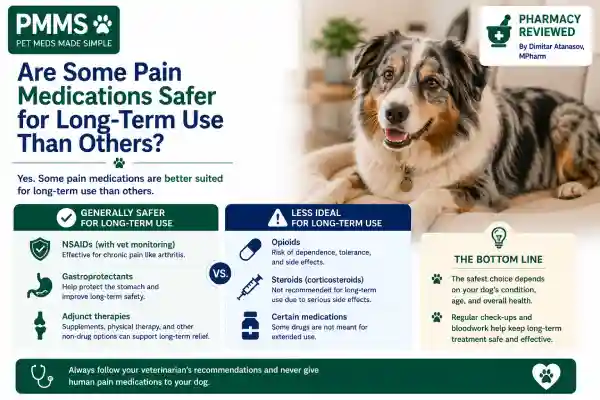
Yes.
Every medication has advantages and disadvantages.
The safest option depends on:
- Age
- Health status
- Underlying disease
- Previous medication history
General Comparison
| Medication Type | Long-Term Use Common? |
|---|---|
| Carprofen | Yes |
| Meloxicam | Yes |
| Galliprant | Yes |
| Gabapentin | Yes |
| Amantadine | Yes |
| Opioids | Less Common |
Owners comparing safety profiles often read:
Safest Pain Medication for Dogs
What Is the Safest Anti-Inflammatory for Dogs?
Dog Pain Medications Explained
How Veterinarians Monitor Dogs on Long-Term Pain Medication
Monitoring is one of the most important parts of long-term therapy.
Veterinarians do not simply prescribe medication and hope for the best.
Typical Monitoring Includes
- Physical examinations
- Weight checks
- Mobility assessments
- Bloodwork
- Kidney monitoring
- Liver monitoring
Common Questions Veterinarians Ask
- Is your dog moving better?
- Has appetite changed?
- Any vomiting or diarrhea?
- Any increase in thirst?
- Is the medication still helping?
This ongoing evaluation helps keep treatment safe and effective.
When Should Owners Contact Their Veterinarian?
Owners should contact their veterinarian if they notice:
- Appetite loss
- Vomiting
- Diarrhea
- Increased thirst
- Increased urination
- Worsening pain
- Increased limping
- Significant behavior changes
Never stop long-term pain medication without veterinary guidance unless instructed to do so.
When Does Long-Term Pain Medication Become an Emergency?
Most dogs tolerate long-term treatment extremely well.
However, certain symptoms require immediate veterinary care.
Emergency Warning Signs
- Collapse
- Severe weakness
- Difficulty breathing
- Black or bloody stools
- Repeated vomiting
- Seizures
- Unresponsiveness
Emergency Symptoms Table
| Symptom | Emergency? |
|---|---|
| Mild appetite change | No |
| Mild lethargy | Contact Vet |
| Repeated vomiting | Yes |
| Bloody stool | Yes |
| Collapse | Yes |
| Difficulty breathing | Yes |
| Seizures | Yes |
Related Symptoms Owners Often Search For
Owners researching Can Dogs Take Pain Medication Long-Term? often search for related questions.
Medication Safety
Many owners compare treatment options through:
Safest Pain Medication for Dogs
What Is the Safest Anti-Inflammatory for Dogs?
Long-Term NSAID Use
Related reading:
Safest NSAID for Dogs Long-Term
Can Meloxicam Cause Kidney Damage in Dogs?
Ongoing Pain
Many owners worry because symptoms continue despite treatment.
Related articles:
Why Is My Dog Still in Pain After Medication?
Why Is My Dog Crying Even After Pain Medication?
Why Is My Dog Panting After Pain Medication?
Medication Effectiveness
Owners often ask:
What to Do If Dog Medication Is Not Working
When to Switch Dog Medication (Signs to Watch)
Bottom Line
Can dogs take pain medication long-term? In many cases, yes. Dogs with arthritis, hip dysplasia, IVDD, cancer, and other chronic conditions often remain on pain medication for months or years with excellent results. The key to long-term safety is choosing the right medication, using appropriate doses, and monitoring regularly through veterinary checkups and bloodwork.
For many dogs, long-term pain management significantly improves mobility, comfort, and quality of life.
Veterinarian Takeaway
Long-term pain medication is a cornerstone of chronic pain management in veterinary medicine. While medications such as carprofen, meloxicam, gabapentin, amantadine, and Galliprant can often be used safely for extended periods, regular monitoring remains essential. Early detection of side effects and routine reassessment of pain control help ensure the safest possible treatment plan for each individual dog.
Frequently Asked Questions – Can Dogs Take Pain Medication Long-Term
Can dogs take pain medication for years?
Yes. Many dogs remain on pain medications for years under veterinary supervision.
Is long-term pain medication safe for dogs?
Often yes, especially when regular monitoring is performed.
Which pain medications are commonly used long-term?
Carprofen, meloxicam, Galliprant, gabapentin, and amantadine are commonly used.
Can long-term NSAID use damage the kidneys?
Sometimes. This is why routine bloodwork is recommended.
Can pain medication affect the liver?
Some medications can affect liver values, making monitoring important.
How often should dogs on long-term pain medication have bloodwork?
The schedule varies, but many veterinarians recommend periodic monitoring.
Can dogs take gabapentin long-term?
Yes. Many dogs receive gabapentin for extended periods.
Can pain medication stop working?
Sometimes the underlying disease progresses and treatment adjustments become necessary.
What symptoms should owners monitor?
Appetite changes, vomiting, diarrhea, thirst changes, weakness, and worsening pain.
When should I seek emergency care?
Seek immediate veterinary attention for collapse, severe weakness, breathing difficulties, repeated vomiting, seizures, or bloody stool.
Reviewed By
Pharmacy Reviewed By
Dimitar Atanasov, MPharm
Master Pharmacist | Medication Safety Educator
Editorial Policy
At Pet Meds Made Simple, we are committed to providing accurate, evidence-based information about pet medications, veterinary treatments, medication safety, and common health concerns affecting dogs and cats.
For more information, see our Editorial Policy:
Sources
- Plumb’s Veterinary Drug Handbook
- American Animal Hospital Association (AAHA)
- American Veterinary Medical Association (AVMA)
- Merck Veterinary Manual
- Veterinary Pharmacology and Therapeutics
- Small Animal Clinical Pharmacology
- Journal of the American Veterinary Medical Association (JAVMA)
- Frontiers in Veterinary Science
- Veterinary Anaesthesia and Analgesia
- Veterinary Information Network (VIN)
Medical Review Statement
This article was pharmacy-reviewed by Dimitar Atanasov, MPharm, Master Pharmacist, using current veterinary pharmacology references, canine pain-management guidelines, and published veterinary literature available at the time of review.
Images created with AI – Can Dogs Take Pain Medication Long-Term