What to Do If Your Dog Refuses Medication
What to Do If Dog Refuses Medication? The most important step is staying calm and identifying why your dog is resisting the medication in the first place. Some dogs dislike the taste, others fear the experience, and some may associate medication with stress, nausea, or previous discomfort.
This is one of the most common problems dog owners face.
Many owners eventually experience situations like:
- the dog spits pills out repeatedly
- medication hidden in food gets detected instantly
- the dog runs away at medication time
- drooling, gagging, or foaming happens after dosing
- the dog refuses food entirely when medication is mixed in
Over time, medication struggles can become emotionally exhausting for both the owner and the dog.
Some owners become frustrated.
Others panic because the medication is important for:
- infections
- pain control
- seizures
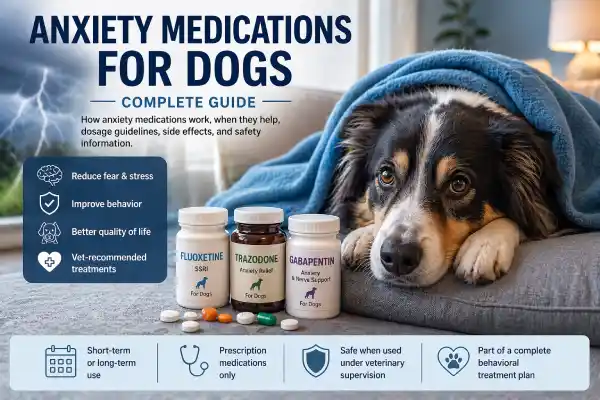
- anxiety treatment
- chronic disease management
Understanding why dogs resist medication is often the key to solving the problem safely and effectively.
Quick Answer
If your dog refuses medication, avoid forcing repeated stressful experiences immediately. Instead, determine whether the issue involves taste, fear, nausea, side effects, or difficulty swallowing. Many dogs respond better to positive reinforcement, pill pockets, flavored medications, liquid formulations, or alternative administration methods recommended by a veterinarian.
Why Dogs Refuse Medication
Dogs rarely refuse medication “just to be difficult.”
There is usually an underlying reason.
Common causes include:
- bad taste
- nausea
- fear or stress
- previous negative experiences
- difficulty swallowing
- medication side effects
- stomach discomfort
Some medications are naturally bitter or unpleasant.
Dogs have extremely sensitive noses and taste perception, which means they often detect hidden pills instantly.
What to Do If Dog Refuses Medication
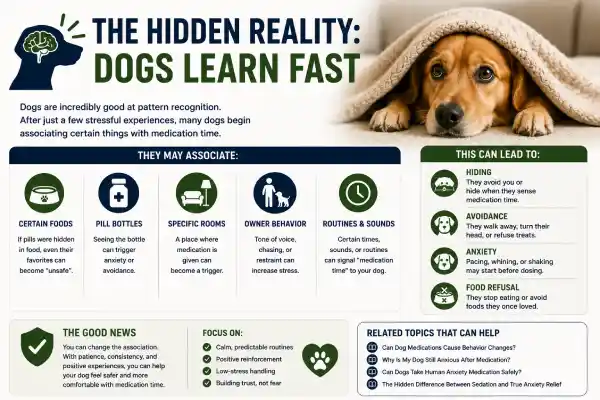
The Hidden Reality: Dogs Learn Fast
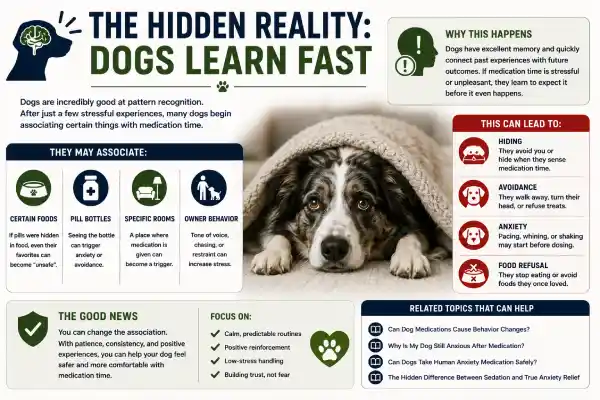
Dogs are incredibly good at pattern recognition.
After only a few stressful experiences, many dogs begin associating:
- certain foods
- pill bottles
- specific rooms
- owner behavior
with medication time.
This may lead to:
- hiding
- avoidance
- anxiety
- food refusal
This naturally connects with:
- Can Dog Medications Cause Behavior Changes?
- Why Is My Dog Still Anxious After Medication?
- Can Dogs Take Human Anxiety Medication Safely?
because emotional associations strongly affect medication success.
Some Medications Taste Extremely Bitter
This is one of the most overlooked reasons for medication refusal.
Certain medications leave a strong bitter taste if:
- crushed
- broken
- dissolved improperly
- chewed accidentally
Dogs may then refuse even favorite foods after associating them with the unpleasant experience.
Medications Commonly Associated With Taste Problems
| Medication Type | Common Issue |
|---|---|
| antibiotics | bitterness |
| anxiety medications | chemical taste |
| pain medications | lingering aftertaste |
| liquid medications | smell sensitivity |
This is why some dogs suddenly stop trusting foods previously used for medication hiding.What to Do If Dog Refuses Medication
Why Forcing Medication Repeatedly Can Make Things Worse
Many owners unintentionally create stronger resistance by:
- chasing the dog
- forcing the mouth open repeatedly
- yelling from frustration
- restraining the dog aggressively
Over time, this may create:
- fear conditioning
- defensive aggression
- worsening anxiety
- refusal of food or treats
The goal should always be:
👉 minimizing stress whenever possible.
The Difference Between Stubbornness and Medical Problems
Sometimes dogs refuse medication because they physically feel unwell.
This is extremely important.
A dog experiencing:
- nausea
- stomach pain
- medication side effects
- swallowing pain
may reject medication because the body associates it with discomfort.
This connects directly with:
- Can Clindamycin Cause Vomiting in Dogs?
- Can Antibiotics Cause Lethargy in Dogs?
- Signs of Medication Overdose in Dogs
because medication refusal can sometimes signal a deeper medical issue.
Signs Your Dog May Feel Sick Rather Than “Difficult”
Possible Medical Clues
- drooling after medication
- gagging
- vomiting
- hiding after dosing
- appetite loss
- lip licking
- swallowing repeatedly
These symptoms deserve attention—especially if they appear suddenly.What to Do If Dog Refuses Medication
Why Some Dogs Refuse Medication Hidden in Food
Dogs rely heavily on smell.
Even tiny medication traces may be detected instantly.
Some dogs begin avoiding:
- peanut butter
- cheese
- wet food
- meat treats
if medication was repeatedly hidden inside them.
This creates another frustrating cycle for owners.
Best Foods Often Used for Hiding Pills
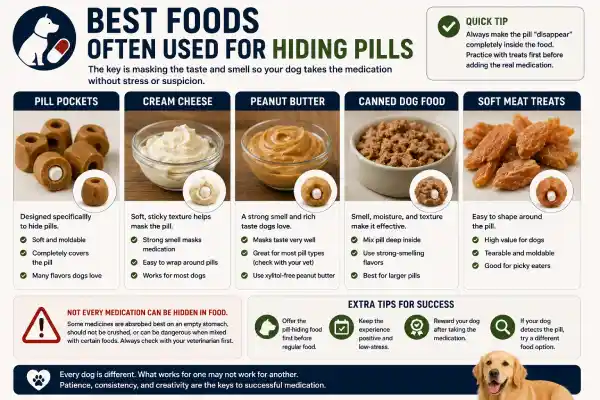
Common Pill-Hiding Options
| Food | Why It Helps |
|---|---|
| pill pockets | designed for medications |
| cream cheese | soft texture |
| peanut butter | strong smell |
| canned dog food | masks odor |
| soft meat treats | easy swallowing |
However:
👉 not every medication should be crushed or mixed into food.
Some formulations rely on:
- slow release
- stomach protection
- controlled absorption
Always confirm with your veterinarian first.
Why Crushing Pills Can Sometimes Be Dangerous
This is a major medication mistake.
Some medications become unsafe or ineffective when crushed.
Crushing may:
- destroy protective coatings
- alter absorption
- increase bitterness dramatically
- irritate the stomach
This is especially important with:
- extended-release medications
- certain seizure medications
- some anxiety medications
Liquid Medications Sometimes Help
Some dogs tolerate liquids better than pills.
Others hate liquids completely.
Liquid formulations may help when dogs:
- refuse solid pills
- have swallowing problems
- require very precise dosing
However, improper liquid administration may cause:
- choking
- aspiration
- foaming
- panic reactions
This is why calm technique matters enormously.
Why Positive Reinforcement Works Better Long-Term
One of the best long-term strategies is changing the emotional association around medication.
Instead of:
❌ stress
❌ restraint
❌ panic
the goal becomes:
✔ rewards
✔ calmness
✔ predictability
✔ trust
Dogs learn emotional patterns extremely quickly.
Positive Reinforcement Medication Strategy
Helpful Approaches
- reward immediately after medication
- practice “fake pill sessions” with treats
- stay calm and confident
- avoid punishment or frustration
- keep routines predictable
This often reduces resistance significantly over time.What to Do If Dog Refuses Medication
Why Anxiety Makes Medication Refusal Worse
Some dogs become anxious before medication even appears.
They recognize:
- sounds
- packaging
- owner behavior
- routines
This anticipation stress alone may trigger:
- hiding
- pacing
- refusal behaviors
This naturally connects with:
because emotional conditioning strongly affects behavior.What to Do If Dog Refuses Medication
Senior Dogs May Struggle More With Medication
Older dogs face additional challenges.
Examples include:
- reduced smell
- dental pain
- swallowing difficulty
- cognitive dysfunction
- nausea from multiple medications
Senior dogs also commonly take:
- pain medications
- anxiety medications
- seizure medications
- antibiotics simultaneously
This increases the likelihood of side effects and medication fatigue.
Why Multiple Medications Become Overwhelming
Dogs receiving several medications daily often develop:
- food aversion
- stress associations
- stomach irritation
- emotional resistance
This is especially common in dogs with:
- chronic pain
- cancer
- epilepsy
- severe arthritis
At that point, veterinarians sometimes adjust:
- timing
- formulations
- flavoring
- medication combinations
to reduce stress.
Medication Refusal Can Sometimes Signal Overdose or Side Effects
This is extremely important.
Dogs sometimes suddenly refuse medication because:
👉 the body no longer tolerates it well.
Warning signs include:
- vomiting
- severe lethargy
- drooling
- tremors
- disorientation
This connects directly with:
because medication refusal may be an early warning sign.
What Veterinarians Actually Evaluate
Veterinarians assess far more than simply:
👉 “Will the dog swallow the pill?”
They evaluate:
- medication necessity
- side effects
- emotional stress
- appetite changes
- swallowing ability
- owner safety
- quality of life
- long-term compliance
This helps create safer and more realistic treatment plans.
Signs You Should Contact Your Veterinarian
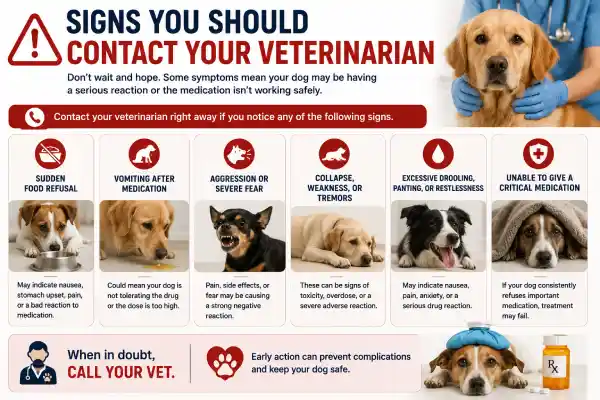
Some situations require prompt reassessment.
Serious Warning Signs
| Symptom | Why It Matters |
|---|---|
| sudden food refusal | possible nausea or illness |
| vomiting after medication | poor tolerance |
| aggression during dosing | fear or pain |
| collapse or tremors | possible toxicity |
| inability to administer critical medication | treatment failure risk |
These situations should never be ignored.
Real-Life Example
Dog A
- mild antibiotic course
- accepts pill pockets easily
- positive reinforcement used
Result:
✔ smooth treatment completion
Dog B
- chronic medications
- repeated forced dosing
- develops fear and food refusal
Result:
❌ worsening emotional stress
❌ medication noncompliance
Needs:
✔ medication reassessment
✔ stress reduction strategy
✔ alternative administration methods
This type of situation is extremely common in long-term veterinary care.What to Do If Dog Refuses Medication
The Future of Veterinary Medication Administration
Veterinary medicine increasingly focuses on:
- flavored formulations
- compounded medications
- stress-free handling
- behavioral medicine integration
- individualized treatment plans
The goal is improving both:
✔ treatment success
✔ emotional well-being
because chronic stress itself affects health outcomes.
Conclusion
If your dog refuses medication, the solution is rarely forcing harder. Medication refusal often involves a combination of taste sensitivity, emotional stress, side effects, nausea, fear, or previous negative experiences.
Understanding why the dog is resisting is the first step toward solving the problem safely and compassionately.
Modern veterinary medicine increasingly recognizes that emotional well-being matters just as much as successful dosing—especially during long-term treatment.
The best outcomes usually come from combining medical safety, patience, low-stress techniques, and veterinary guidance.
FAQ – What to Do If Dog Refuses Medication
Why does my dog spit out pills?
Dogs often detect bitterness, texture, or unfamiliar smells immediately.
Can I crush my dog’s medication?
Some medications should never be crushed. Always ask your veterinarian first.
What if my dog refuses food with medication inside?
Try alternative foods, flavored formulations, or discuss other administration options with your veterinarian.
Is it bad to force medication into my dog’s mouth?
Repeated forceful dosing may increase fear and resistance over time.
Can medication refusal be a sign of side effects?
Yes. Sudden refusal may indicate nausea, stomach irritation, or medication intolerance.
Sources & Scientific References
- Merck Veterinary Manual
- Plumb’s Veterinary Drug Handbook
- Veterinary Information Network (VIN)
- American Animal Hospital Association (AAHA)
- American College of Veterinary Behaviorists (ACVB)
- Fear Free Pets Veterinary Resources
Medical Disclaimer
This article is for educational purposes only and does not replace professional veterinary advice, diagnosis, or treatment. Always consult your veterinarian before changing, stopping, crushing, or administering any medication to your dog.What to Do If Dog Refuses Medication
Images are created with Ai – What to Do If Dog Refuses Medication