Quick Answer
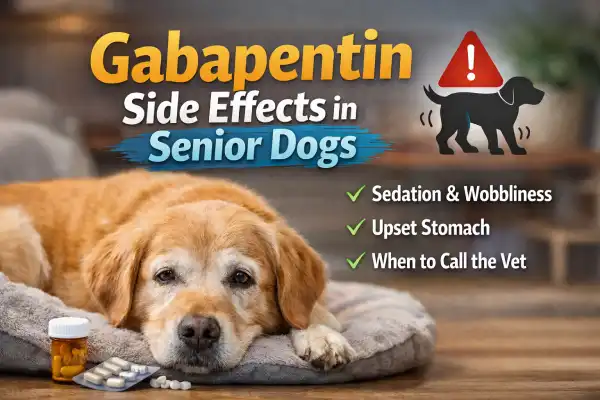
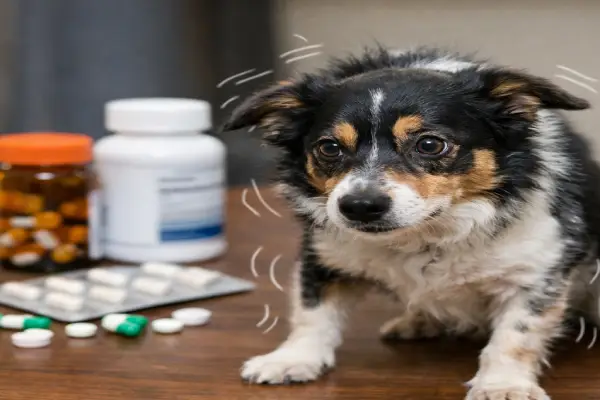
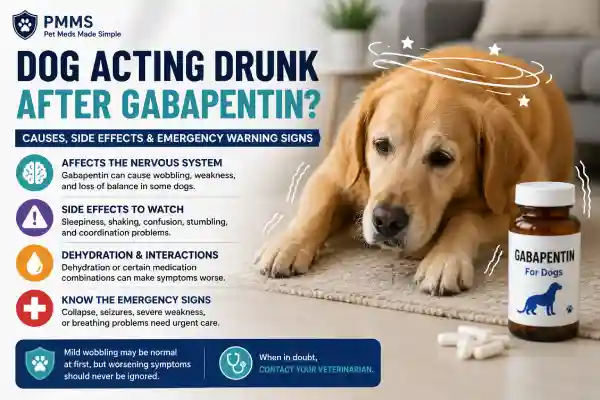
Why is my dog acting drunk after gabapentin? Dogs may appear drunk, wobbly, weak, sleepy, or uncoordinated after gabapentin because the medication affects the nervous system and commonly causes sedation, balance problems, and muscle relaxation. Mild wobbling or sleepiness may sometimes be temporary, especially after the first few doses. However, severe weakness, collapse, inability to stand, seizures, breathing problems, or worsening neurological symptoms require immediate veterinary attention.
Many owners become scared when their dog suddenly:
- walks like they are drunk
- stumbles or falls over
- sways while standing
- seems confused
- has shaky legs
- sleeps excessively
- struggles with balance
- acts “out of it”
And honestly?
This is one of the MOST common concerns owners report after starting gabapentin.
The good news is that mild sedation and wobbling are often known side effects.
But sometimes symptoms may indicate:
- excessive dosing
- medication sensitivity
- dehydration
- drug interactions
- neurological problems
- overdose concerns
- underlying illness
This guide explains:
- why dogs may act drunk after gabapentin
- when wobbling may be normal
- what symptoms are dangerous
- medication interactions
- dehydration risks
- senior dog concerns
- emergency warning signs owners should never ignore
Dog Acting Drunk After Gabapentin?
What Is Gabapentin Used for in Dogs?
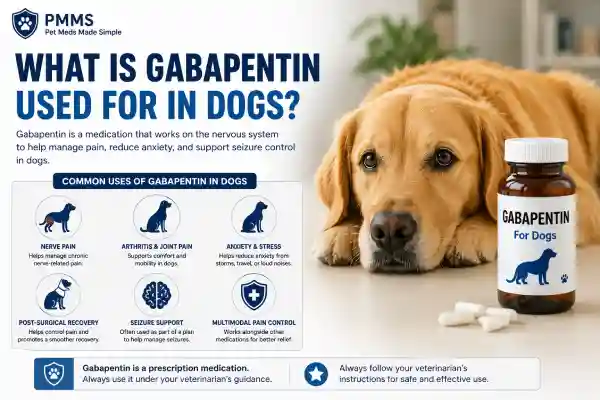
Gabapentin is commonly prescribed for:
- nerve pain
- chronic pain
- arthritis
- anxiety
- seizure support
- post-surgical recovery
Veterinarians frequently combine gabapentin with:
- antibiotics
- pain medications
- anti-inflammatory medications
- seizure medications
This naturally connects with What Is Gabapentin Used for in Dogs?, Can Dogs Take Antibiotics With Gabapentin?, and Gabapentin vs Tramadol.
Why Can Gabapentin Make Dogs Act Drunk?
Gabapentin works directly on the nervous system.
In some dogs, this may temporarily affect:
- coordination
- balance
- muscle control
- alertness
- walking ability
This can make dogs appear:
- dizzy
- weak
- confused
- sedated
- unstable while walking
Common Reasons Dogs Act Drunk After Gabapentin
| Possible Cause | What Owners May Notice |
|---|---|
| Sedation | Excessive sleepiness |
| Poor coordination | Wobbling |
| Muscle relaxation | Weak legs |
| Neurological sensitivity | Trembling or confusion |
| Medication interactions | Stronger side effects |
| Dehydration | Weakness or dizziness |
This strongly connects with Why Is My Dog Shaking After Gabapentin?, Can Gabapentin Cause Weakness in Dogs?
Is Mild Wobbling After Gabapentin Sometimes Normal?
Sometimes — yes.
Some dogs may temporarily appear:
- sleepy
- wobbly
- slower while walking
- less coordinated
- mildly weak
This is especially common:
- during the first few doses
- after dosage increases
- in senior dogs
- when gabapentin is combined with other medications
Symptoms often improve as the dog adjusts to the medication.
However, symptoms should NEVER continue worsening.
Can Gabapentin Cause Loss of Balance?
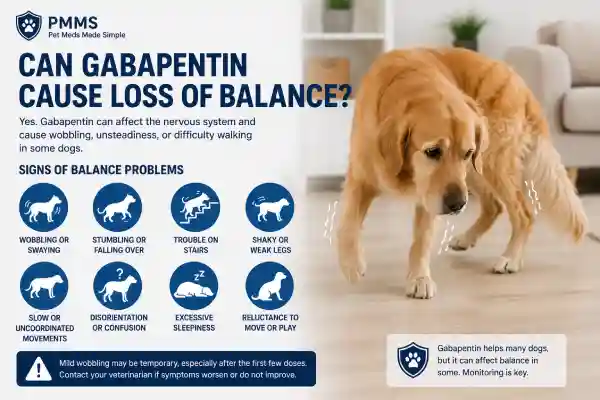
Absolutely.
This is one of the most recognized side effects.
Dogs may:
- stumble
- sway while standing
- struggle on stairs
- miss jumps
- slip on smooth floors
- have shaky back legs
Signs of Coordination Problems
| Symptom | Possible Meaning |
|---|---|
| Stumbling | Sedation |
| Falling over | Poor balance |
| Crossing legs awkwardly | Neurological effects |
| Weak back legs | Muscle relaxation |
| Slow reactions | Nervous system effects |
This naturally links with:
- Can Antibiotics Cause Neurological Problems in Dogs?
- Can Antibiotics Cause Weakness in Dogs?
- Why Is My Dog Weak After Infection Treatment?
Can Medication Interactions Make Dogs More Wobbly?
Yes — VERY easily.
Gabapentin may interact with medications that also affect the nervous system.
Medications That May Increase Sedation or Wobbling
| Medication Type | Possible Effect |
|---|---|
| Tramadol | Increased sedation |
| Trazodone | More sleepiness |
| Opioids | Weakness or dizziness |
| Seizure medications | Coordination problems |
| Certain antibiotics | Neurological side effects |
This strongly connects with:
Can Dehydration Make the “Drunk” Behavior Worse?
Absolutely.
Dehydration may worsen:
- dizziness
- wobbling
- weakness
- confusion
- trembling
- lethargy
Dogs recovering from infection or illness are especially vulnerable.
This becomes even more important if the dog also has:
- vomiting
- diarrhea
- reduced appetite
- fever
- kidney disease
Signs of Possible Dehydration
| Symptom | Possible Concern |
|---|---|
| Dry gums | Fluid loss |
| Weakness | Dehydration |
| Sunken eyes | Moderate dehydration |
| Panting | Stress or imbalance |
| Reduced urination | Fluid deficiency |
This naturally connects with:
Are Senior Dogs More Sensitive to Gabapentin?
Yes — often MUCH more sensitive.
Older dogs may process medications more slowly.
Senior dogs are more vulnerable to:
- wobbling
- excessive sedation
- weakness
- confusion
- dehydration
- medication buildup
This strongly relates to:
- What Is the Safest Antibiotic for Senior Dogs?
- Why Does My Dog Sleep All Day After Antibiotics?
- Can Antibiotics and Gabapentin Cause Weakness Together?
Can Acting Drunk Be a Sign of Overdose?
Sometimes — yes.
Mild wobbling may occur with normal use.
But severe neurological symptoms may indicate:
- overdose
- medication toxicity
- dangerous interactions
- underlying neurological disease
Dangerous Symptoms Owners Should NEVER Ignore
| Symptom | Emergency Level |
|---|---|
| Collapse | EMERGENCY |
| Seizures | EMERGENCY |
| Unable to stand | EMERGENCY |
| Severe tremors | EMERGENCY |
| Blue gums | EMERGENCY |
| Difficulty breathing | EMERGENCY |
| Severe confusion | EMERGENCY |
| Unresponsiveness | EMERGENCY |
This naturally links with:
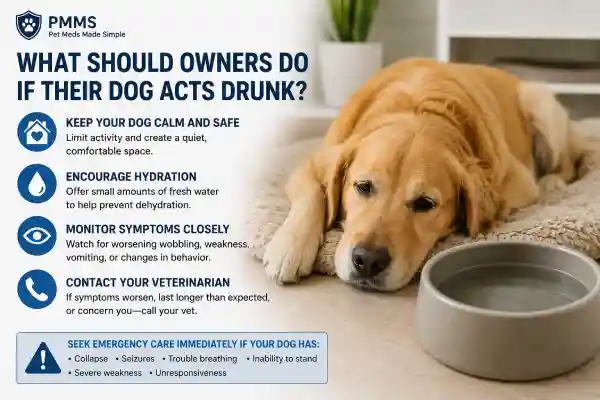
What Should Owners Do If Their Dog Acts Drunk?
Helpful Steps
| Step | Why It Helps |
|---|---|
| Keep the dog calm | Reduce stress |
| Prevent falls or injuries | Improve safety |
| Encourage hydration | Prevent worsening weakness |
| Monitor walking ability | Detect worsening symptoms |
| Watch breathing carefully | Detect emergencies |
| Contact your veterinarian if symptoms worsen | Improve safety |
NEVER:
- increase or repeat doses
- combine medications without guidance
- use human medications
- ignore worsening neurological symptoms
- stop medications suddenly without veterinary advice
How Veterinarians Evaluate Dogs Acting Drunk After Gabapentin
Veterinarians may evaluate:
- medication dosage
- neurological signs
- hydration status
- medication interactions
- infection recovery
- kidney and liver function
- underlying disease
- possible overdose concerns
Possible tests may include:
- neurological examination
- bloodwork
- medication review
- hydration assessment
- imaging if necessary
FAQ — Dog Acting Drunk After Gabapentin
Is it normal for dogs to wobble after gabapentin?
Mild wobbling or sleepiness may sometimes occur, especially during the first few doses or after dose increases.
Can gabapentin make dogs lose balance?
Yes. Gabapentin commonly affects coordination and balance in some dogs.
Why does my dog seem weak after gabapentin?
Sedation, muscle relaxation, dehydration, or medication sensitivity may contribute to weakness.
Can dehydration worsen side effects?
Absolutely. Dehydration may increase dizziness, confusion, weakness, and wobbling.
Are senior dogs more sensitive to gabapentin?
Yes. Older dogs often experience stronger neurological and sedative effects.
What symptoms are emergencies?
Collapse, seizures, inability to stand, breathing problems, severe tremors, or unresponsiveness require immediate veterinary attention.
Can antibiotics make gabapentin side effects worse?
Sometimes. Certain antibiotics may increase weakness or neurological side effects.
Should I stop gabapentin if my dog acts drunk?
Never stop prescription medications without veterinary guidance unless instructed during an emergency evaluation.
Medical Disclaimer
This article is for educational purposes only and does not replace professional veterinary advice, diagnosis, or treatment. The content is written and pharmacist-reviewed to improve medication safety awareness and help dog owners better understand gabapentin side effects, wobbling, neurological symptoms, weakness, dehydration risks, medication interactions, and emergency warning signs in dogs. Always contact your veterinarian if your dog develops severe neurological symptoms, collapse, seizures, breathing problems, or worsening weakness.
Reviewed by
Written by Pet Meds Made Simple Editorial Team
Pharmacy Reviewed by Dimitar Atanasov MPharm
Master Pharmacist | Medication Safety Educator
Last Updated: May 2026
Editorial Policy
At PetMedsMadeSimple.com, all articles are written for educational purposes and reviewed through our pharmacist-led editorial process to improve medication safety awareness for dog owners. Our content is evidence-based, regularly updated, and designed to help readers better understand veterinary medications, side effects, interactions, warning signs, and recovery concerns.
Every article is reviewed for clarity, safety-focused language, and responsible medical communication before publication.
Read our full Editorial Policy here:
👉 https://petmedsmadesimple.com/editorial-policy/
Sources & Scientific References
- Merck Veterinary Manual
- American Veterinary Medical Association (AVMA)
- Plumb’s Veterinary Drug Handbook
- VCA Animal Hospitals
- GoodRx Pet Health
- Peer-reviewed veterinary pharmacology references